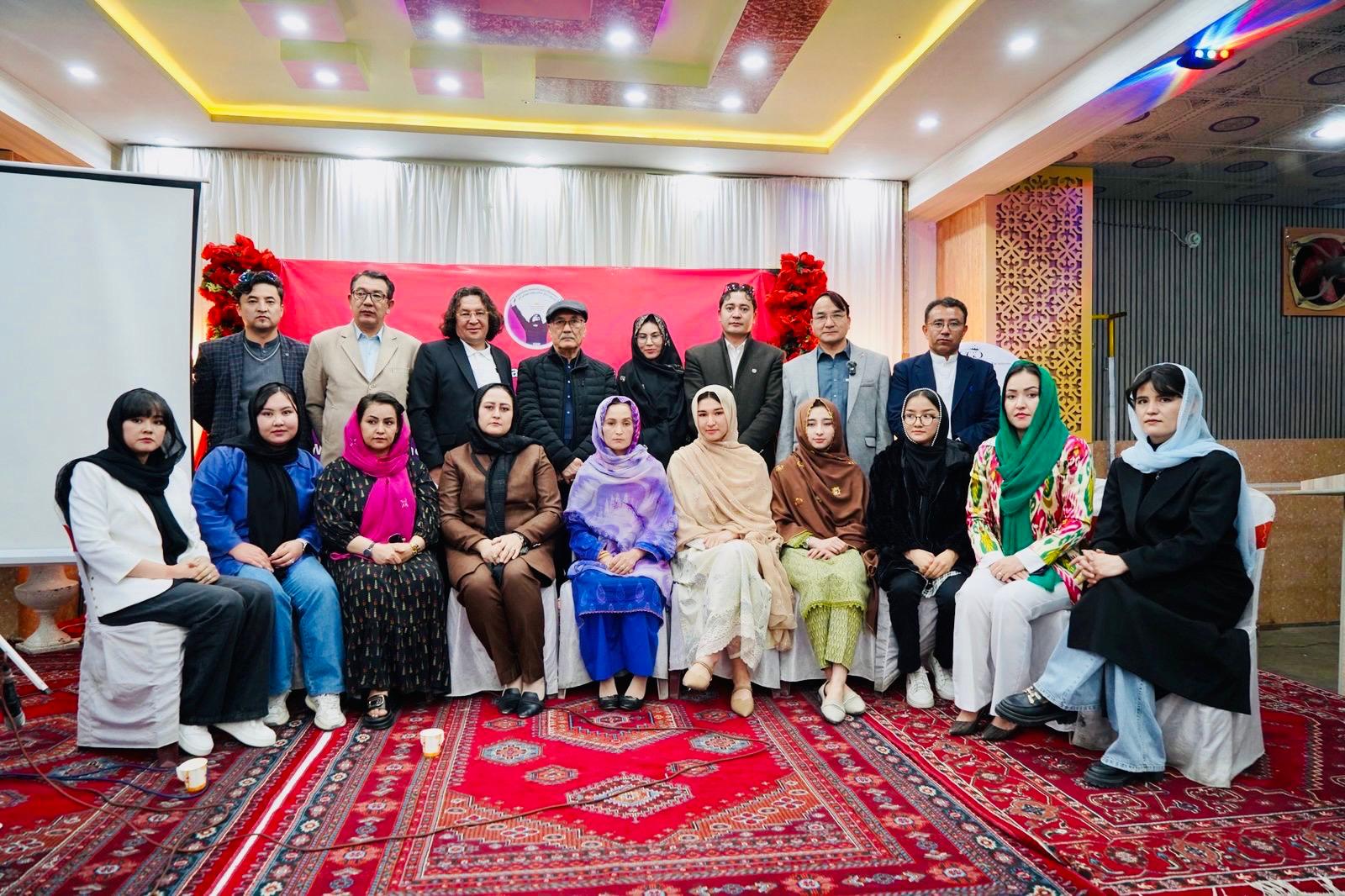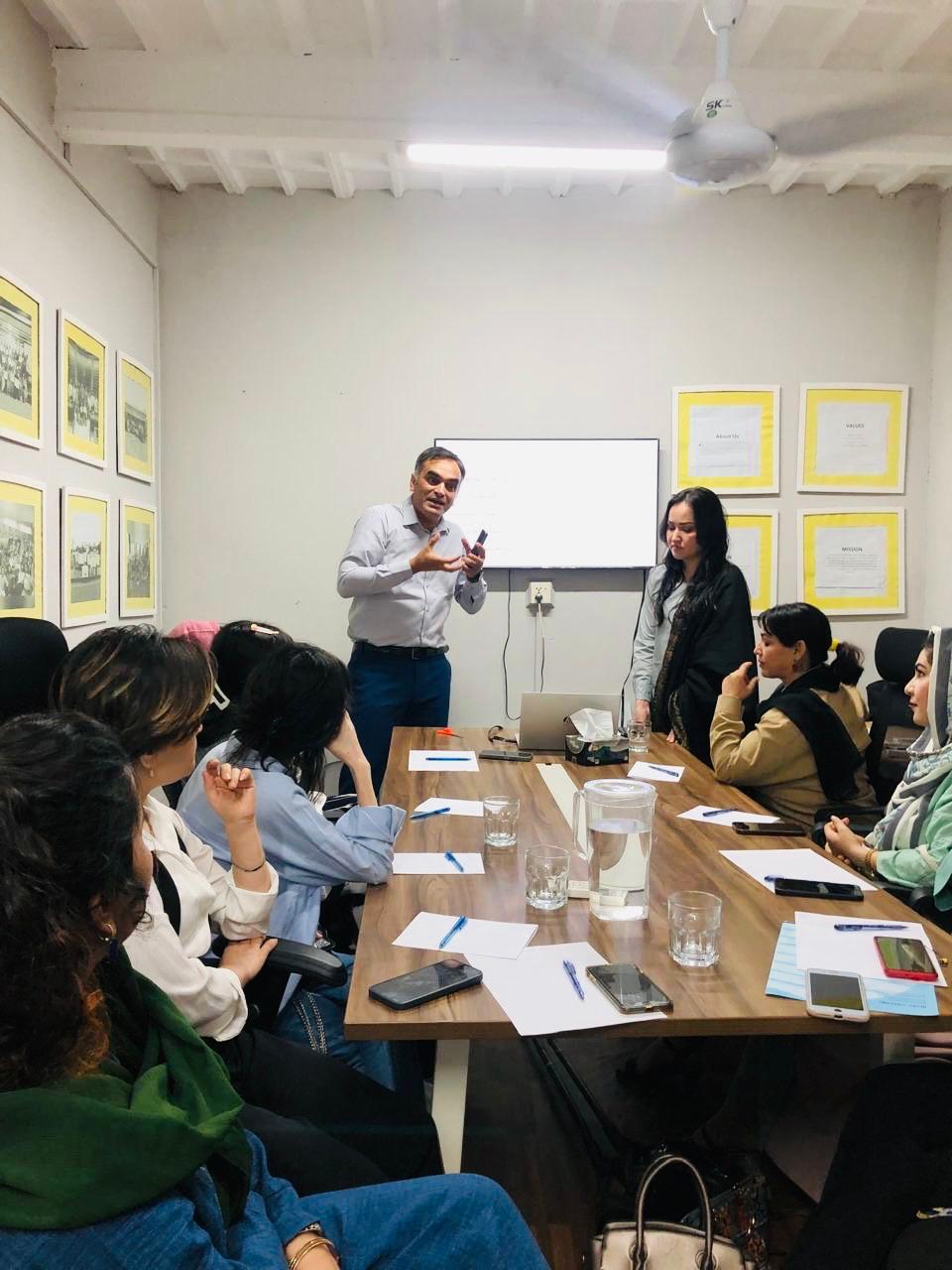
Women’s Justice Movement (WJM) organized a discussion marking one year of human rights activism, bringing together researchers, civil society activists, women’s rights advocates, and media and civic actors to reflect on the human rights situation in Afghanistan and the role of civil society and international institutions in advancing human rights.
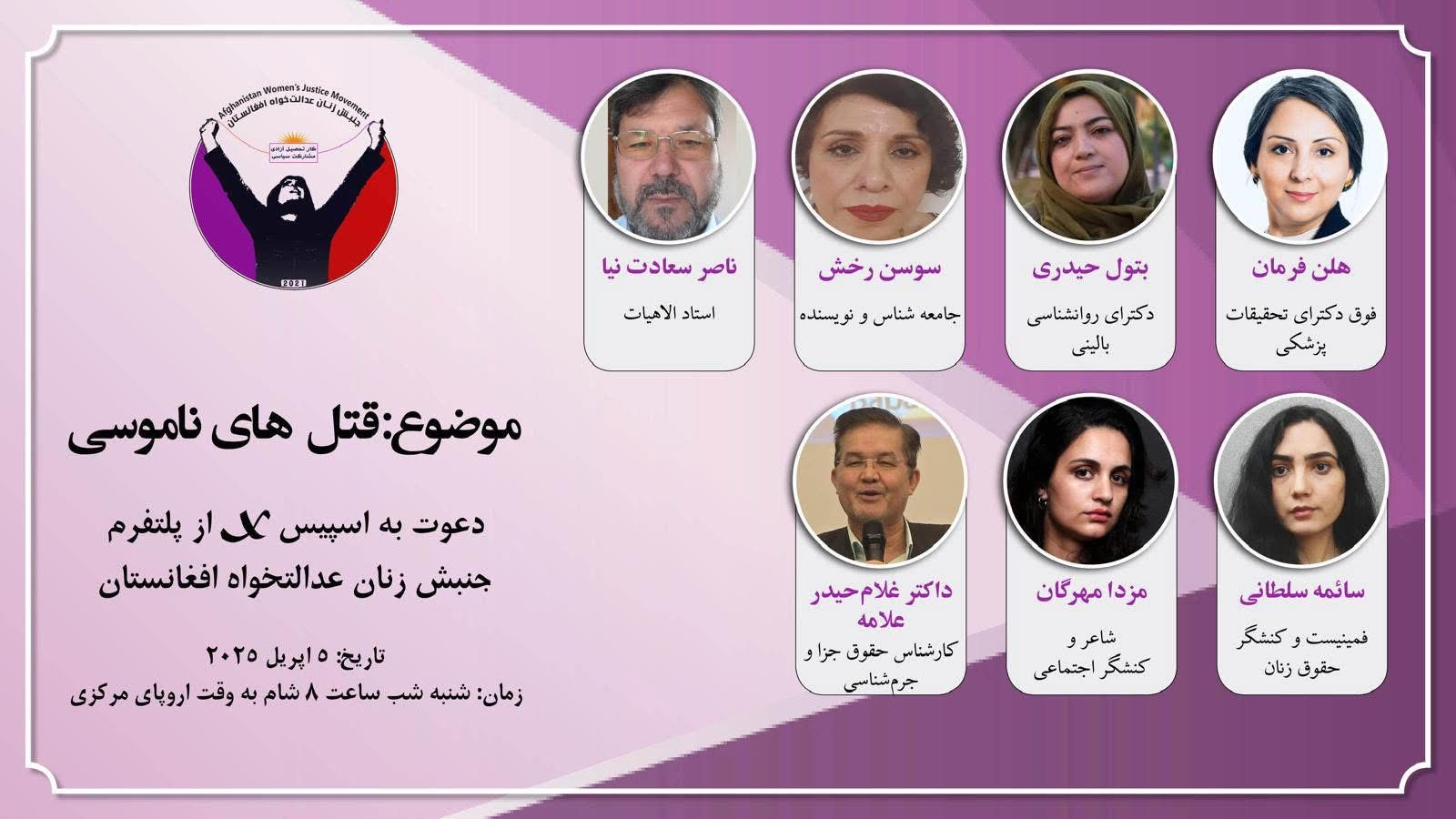
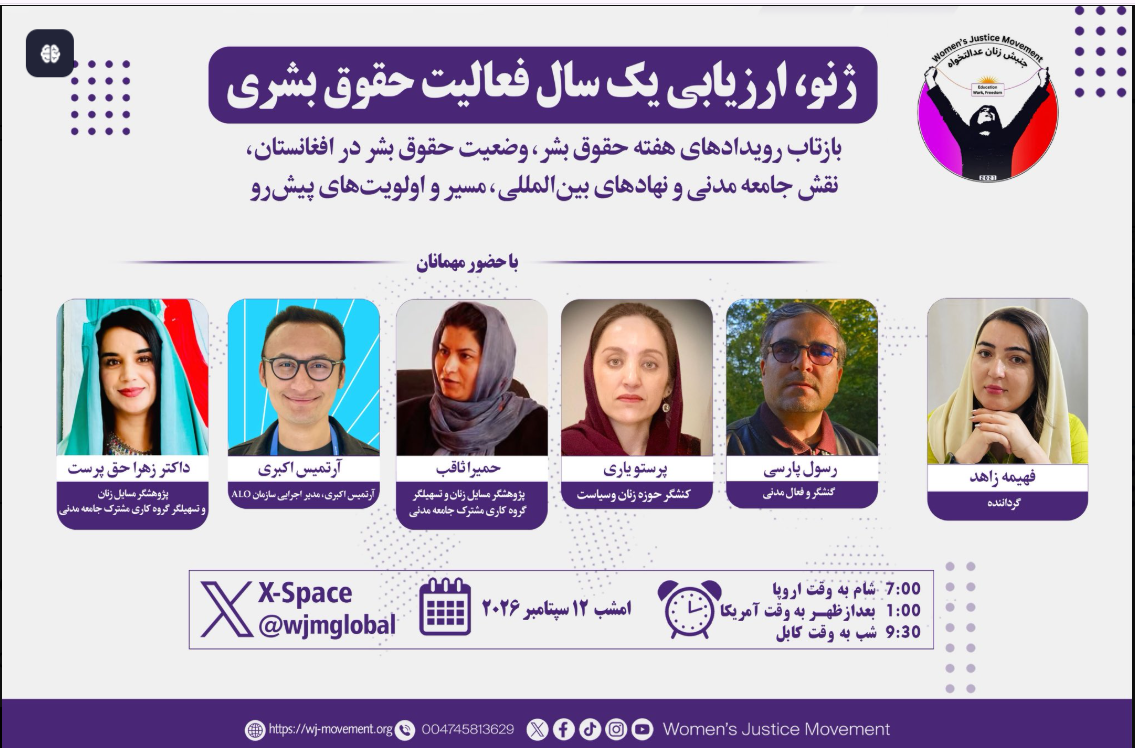
The discussion was held on 12 September 2026 through an X Space hosted by @wjmglobal, providing an opportunity to assess the challenges facing human rights defenders and consider how civil society can strengthen its response to the ongoing crisis in Afghanistan.
Diverse Voices, Shared Concerns
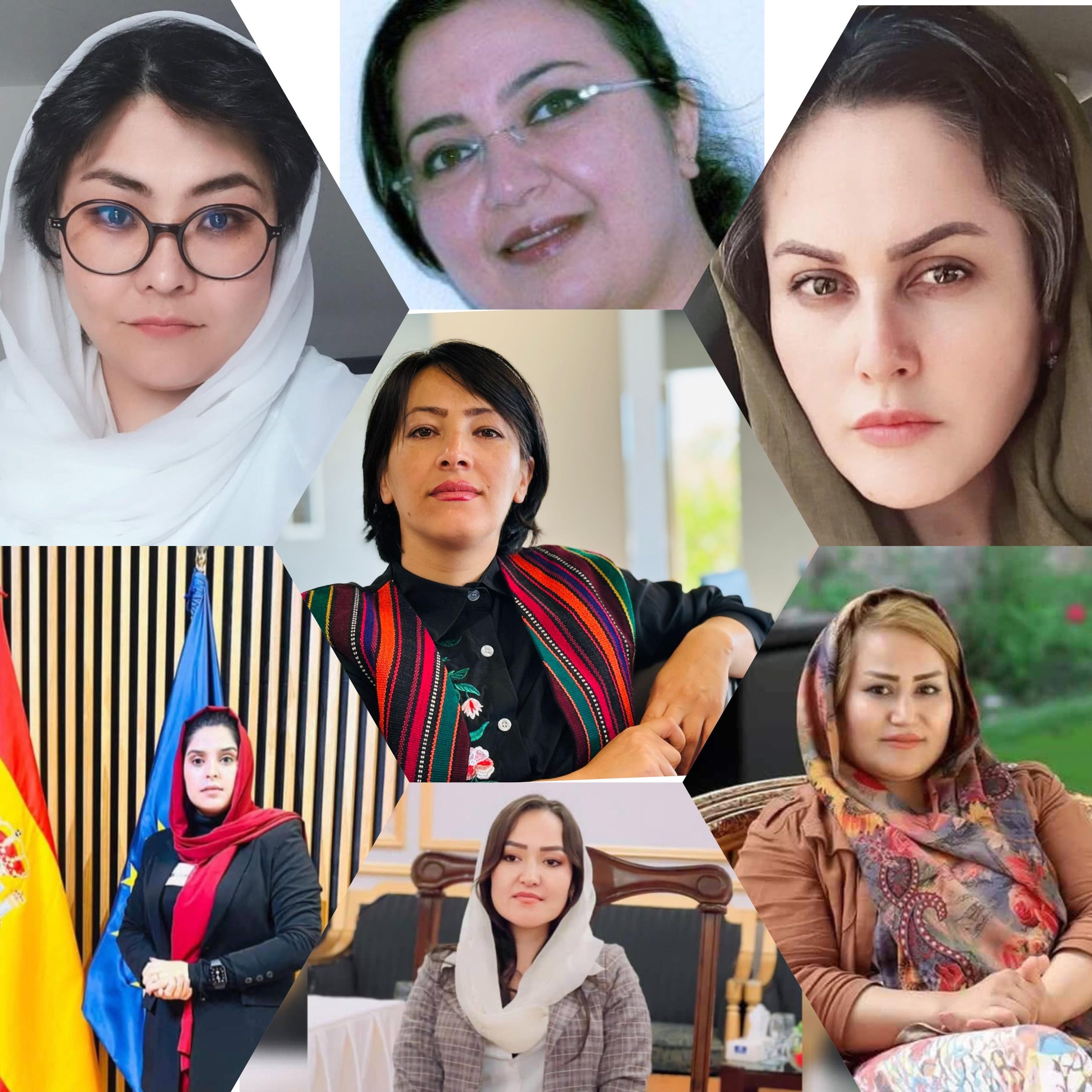
The discussion brought together Dr. Zahra Haqparast, researcher on women’s issues and facilitator of the Civil Society Joint Working Group; Artemis Akbari, Executive Director of ALO; Hamira Saqib, researcher on women’s issues and facilitator of the Civil Society Joint Working Group; Parasto Yari, women’s rights activist and website advocate; and Rasoul Parsi, civil society activist. Fahima Zahid moderated the discussion.
The diversity of participants reflected the interconnected nature of human rights work. Research, advocacy, journalism, civil society organizing, and public engagement each contribute to documenting violations and keeping human rights concerns visible.
Afghanistan’s Human Rights Crisis Requires Sustained Attention
The discussion took place against the backdrop of continued restrictions on women and girls, shrinking civic space, and growing challenges for human rights defenders in Afghanistan.
In such an environment, human rights work cannot be limited to documenting individual incidents. It also requires analyzing broader patterns, preserving evidence, raising public awareness, supporting affected communities, and ensuring that Afghanistan’s human rights crisis remains part of the international agenda.
For women’s rights activists in particular, documenting restrictions on education, employment, freedom of movement, political participation, and public life remains essential to challenging the normalization of systematic discrimination.
The Strategic Role of Civil Society
A central issue emerging from the discussion was the importance of civil society networks. As civic space inside Afghanistan becomes increasingly restricted, Afghan civil society organizations and activists operating both inside and outside the country have an important role in maintaining documentation, amplifying the voices of Afghan women, engaging international institutions, and building solidarity.
However, sustained impact requires stronger coordination. Researchers, activists, journalists, organizations, and international partners can achieve greater influence when their efforts are connected through shared documentation, coordinated advocacy, and long-term strategies.
Why One-Year Reviews Matter
Assessing a year of human rights activism is more than an exercise in looking back. It provides an opportunity to identify achievements, challenges, gaps, and priorities for the future.
Such reflection can help civil society actors examine which advocacy methods have been most effective, whose voices remain underrepresented, and how local experiences can be connected to international human rights mechanisms.
For Women’s Justice Movement, this approach is particularly important. Human rights advocacy requires continuity: documenting violations, supporting women’s voices, strengthening civil society networks, and ensuring that the experiences of Afghan women remain visible in national and international discussions.
From Discussion to Continued Action
The significance of the X Space lies not only in the discussion itself, but in its contribution to a broader process of documentation, reflection, advocacy, and collective action.
At a time when restrictions on fundamental rights risk becoming normalized, sustained civil society engagement remains essential. One year of activism should therefore be understood not as an endpoint, but as a foundation for stronger cooperation, more systematic documentation, and continued advocacy for human rights, women’s rights, justice, and freedom in Afghanistan.
Share: