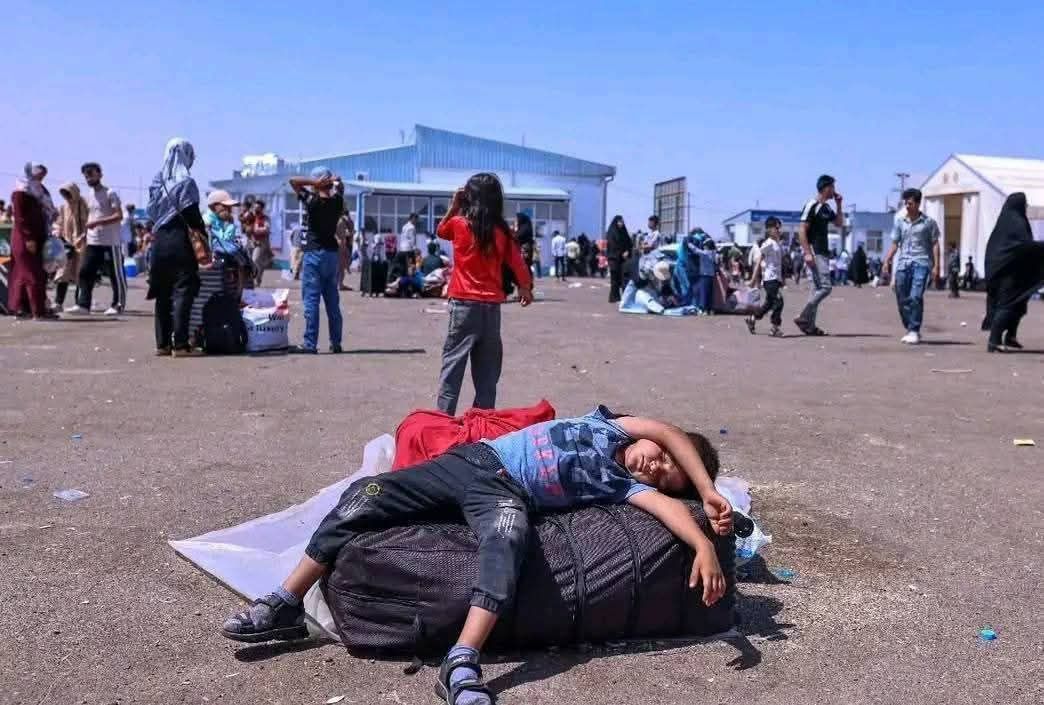
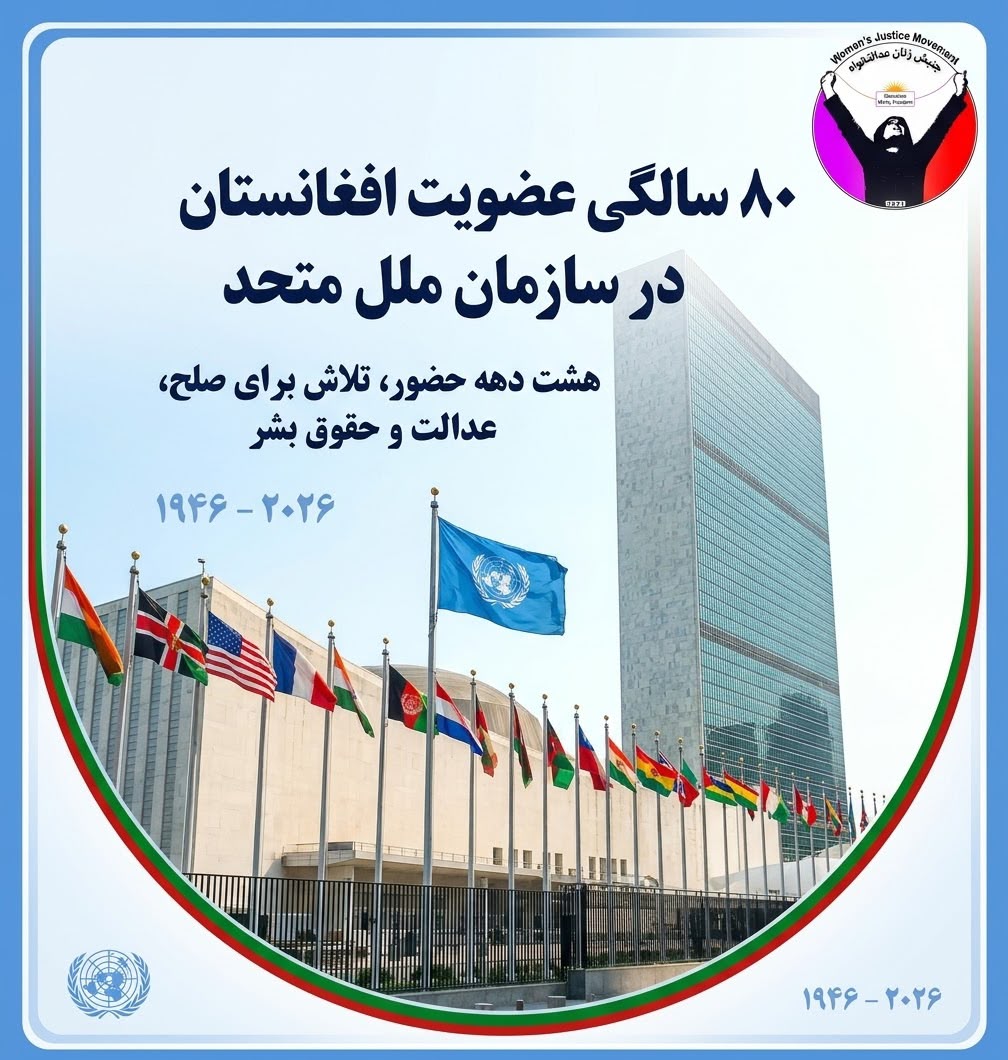
On November 19, 2026, Afghanistan marks 80 years of membership in the United Nations, having officially joined the international organization on November 19, 1946. Eight decades after becoming a member of an institution founded on the principles of peace, equality, justice, and human rights, women and girls in Afghanistan continue to face severe restrictions on their fundamental rights.
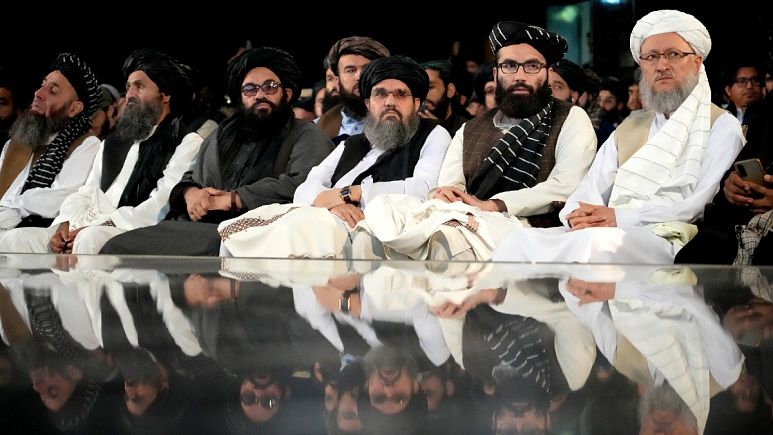
Under Taliban rule, women and girls have been systematically excluded from education, employment, public life, and meaningful participation in society. These restrictions have deprived millions of women and girls of opportunities to shape their futures and exercise their basic freedoms.
According to UNESCO, Afghanistan remains the only country in the world where girls and women are formally prohibited from accessing education beyond the primary level. In 2026, an estimated 2.4 million girls remain excluded from secondary education. Women are also barred from most paid employment and many public-facing professions.
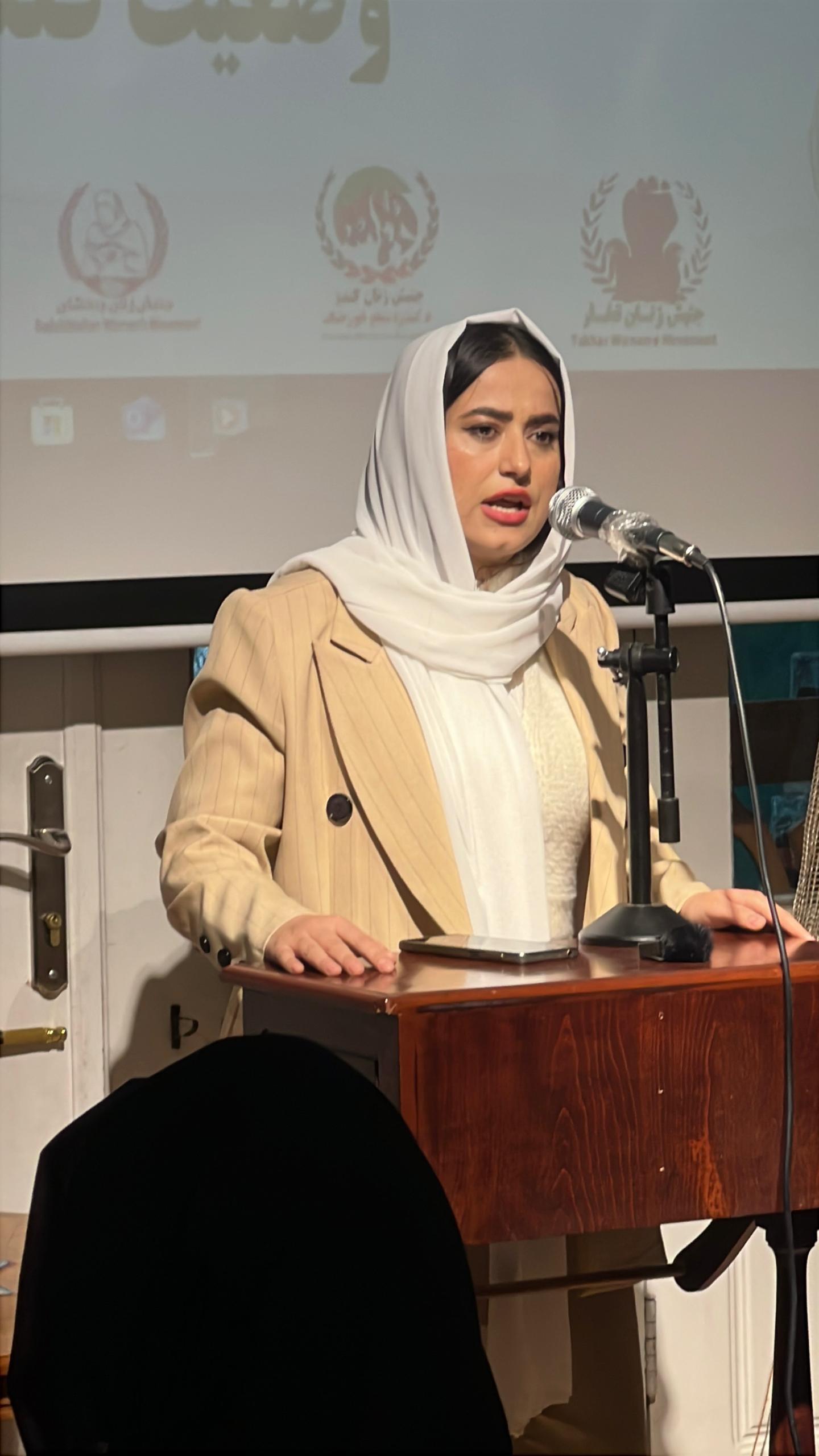
The Women’s Justice Movement (WJM) emphasizes that the situation demands more than expressions of concern and the issuance of statements. The United Nations and the international community must take concrete and effective measures to end gender apartheid, strengthen accountability for human rights violations, and ensure justice for women in Afghanistan.
The Movement calls for sustained international action to protect the fundamental rights and freedoms of women and girls, support accountability mechanisms, and ensure that their voices and meaningful participation are central to decisions concerning Afghanistan’s future.
Eight decades of membership in the United Nations should also be a reminder of the responsibility to uphold the principles of the organization’s Charter. The rights of women and girls must not remain unfulfilled promises.
80 years of membership — women in Afghanistan are still waiting for justice.
Women’s Justice Movement (WJM)
Share: