The United Nations High Commissioner for Human Rights, Volker Türk, has warned that the human rights situation in Afghanistan is deteriorating further, with the Taliban intensifying systematic restrictions against women and girls and suppressing fundamental freedoms across the country.
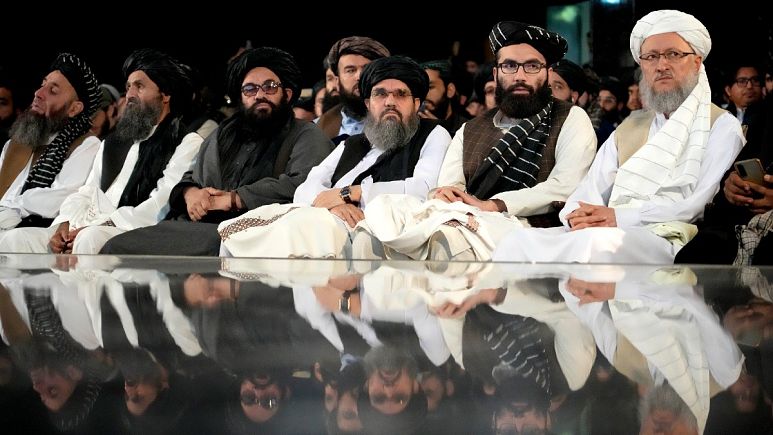
Addressing the 63rd session of the United Nations Human Rights Council, Türk condemned the Taliban’s continuing repression and called for renewed international efforts to ensure that Afghanistan’s de facto authorities comply with their obligations under international human rights law.
“Today, the situation for many people in Afghanistan is going from bad to worse. Millions are trapped in poverty, respect for basic human rights continues to deteriorate, and hundreds of thousands are being returned to Afghanistan against their will,” Türk said.
He warned that the Taliban are tightening and enforcing increasingly repressive restrictions while the international community risks turning away from the Afghan people.
Women and girls systematically excluded from public life
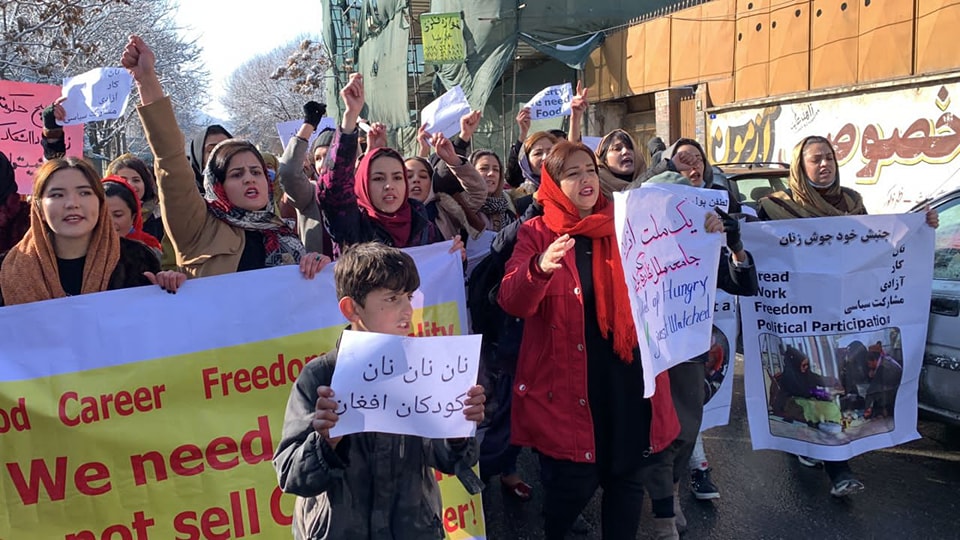
Türk expressed particular concern over the Taliban’s systematic exclusion of women and girls from education, employment, freedom of movement, and public life.
Since the Taliban seized power in 2021, an estimated 2.2 million girls and women have been denied access to secondary and higher education.
The UN High Commissioner also condemned restrictions imposed on women’s clothing and the continued absence of women from public decision-making.
He warned that recent Taliban decrees have made it more difficult for women to separate from their husbands and may facilitate child marriage and violence against women and children.
“This systematic exclusion of women and girls from public life is an unacceptable violation of human rights that has been normalized and institutionalized by [the Taliban]. Such restrictions against women and girls – which amount to gender apartheid – have no place in any society,” Türk said.
The UN official also recalled that the Taliban have restricted Afghan women, including UN personnel, contractors, and visitors, from entering UN facilities across Afghanistan.
Corporal punishment and arbitrary restrictions
Türk further condemned the continued enforcement of the Taliban’s morality regulations through the so-called “Enjoining Right and Forbidding Wrong” authorities.
Women and men have been detained for allegedly violating Taliban rules concerning clothing, the length of men’s beards, and playing or listening to music.
According to the UN High Commissioner, at least 449 women and men were subjected to corporal punishment during the first six months of this year.
He also noted that human rights violations against former government officials and former members of Afghanistan’s defense and security forces continue to be documented.
Restrictions on religious minorities and the media
Religious minorities, including Afghanistan’s Shia and Ismaili communities, continue to face restrictions, Türk said.
Afghanistan’s media environment has also continued to deteriorate under Taliban rule. Media outlets operate under censorship and extensive restrictions, including prohibitions on content that Taliban authorities consider contrary to their interpretation of Afghan culture or their regulations.
Journalists continue to face detention, intimidation, and restrictions, while some media outlets have been temporarily shut down.
The continuing suppression of independent media further limits the ability of Afghan journalists and civil society actors to document human rights violations and inform the public.
Forced returns put Afghans at further risk
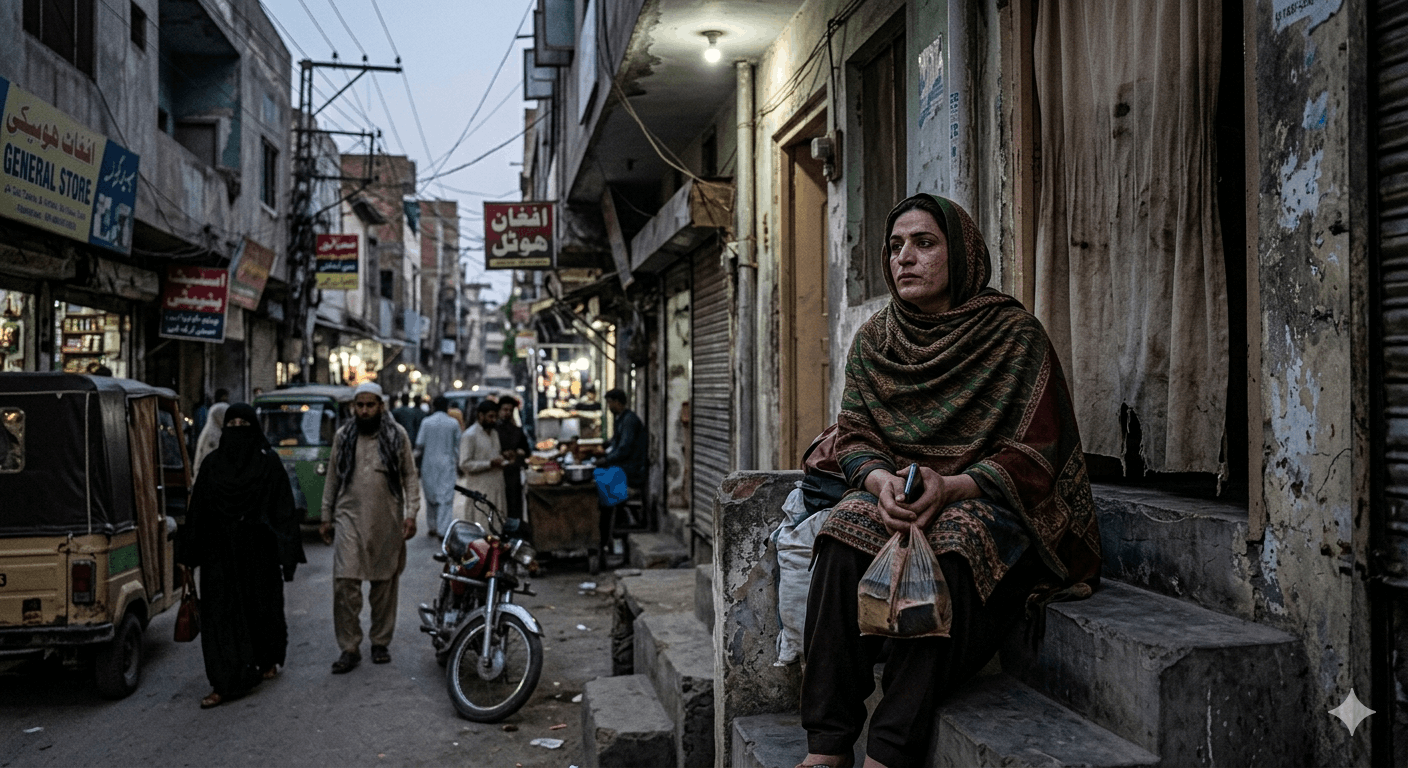
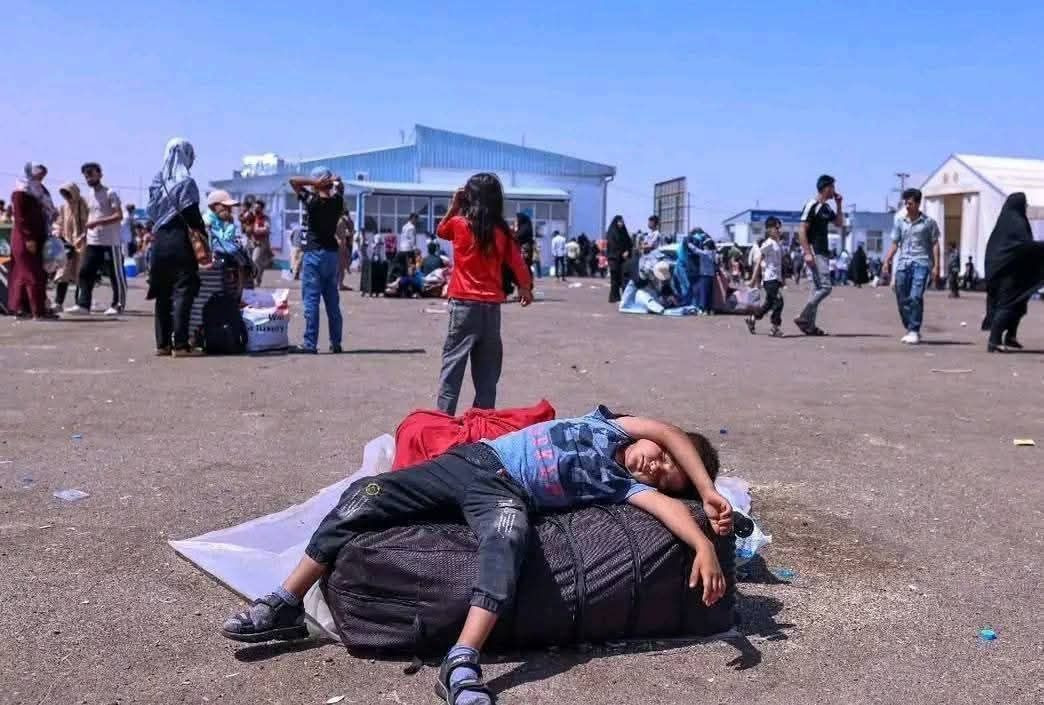
Despite the deteriorating human rights and humanitarian situation, forced returns to Afghanistan are continuing.
According to the UN Refugee Agency, more than 400,000 Afghans have been forcibly returned to Afghanistan, mainly from Iran and Pakistan, with smaller numbers returned from Turkey, Tajikistan, and other countries.
Several European Union member states have also increased coordination with the Taliban regarding the return of Afghan citizens.
Türk warned that many returnees may be sent to a country where they face extreme poverty, food insecurity, inadequate access to clean water and healthcare, and limited access to education and employment.
The UN estimates that approximately 21.9 million people—around 45 percent of Afghanistan’s population—require humanitarian assistance.
International silence must end
Türk also warned that the sharp decline in international humanitarian assistance is worsening the suffering of the Afghan population.
“Meanwhile, the flow of foreign aid has almost dried up, exacerbating the suffering of the people,” he said, urging countries to reconsider their policies and prioritize the lives and dignity of Afghans in need.
Concluding his remarks, the UN High Commissioner called on countries with influence in the region to oppose inequality and defend the rights and dignity of all Afghans.
The situation described by the UN underscores the growing need for sustained international attention, accountability, and concrete action to protect the rights of women, girls, journalists, minorities, and other vulnerable groups in Afghanistan.
Share: