The International Criminal Court (ICC) has unsealed arrest warrants for four senior Taliban figures over their alleged criminal responsibility for the crime against humanity of persecution on gender grounds, marking a major development in international accountability for the Taliban’s treatment of women, girls and others targeted under its gender policies.
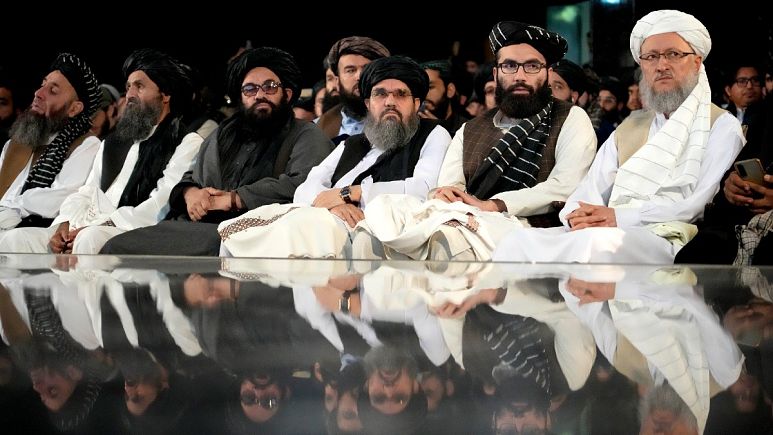
On October 5, 2026, the ICC’s Pre-Trial Chamber II publicly disclosed four arrest warrants issued against Haibatullah Akhundzada, Abdul Hakim Haqqani, Habibullah Agha and Neda Mohammad Nadim. The warrants were issued in 2025 but had remained sealed until the court’s latest decision.
The court found reasonable grounds to believe that the four men are criminally responsible for ordering, inducing or soliciting persecution on gender grounds against girls, women and other people who do not conform to the Taliban’s policies on gender, gender identity or expression. The court also identified persecution on political grounds against people perceived as “allies of girls and women.”
ICC Links Taliban Policies to Systematic Rights Violations
According to the ICC, the Taliban implemented a governmental policy that resulted in severe violations of fundamental rights and freedoms of civilians. The court said the conduct connected to the case includes murder, imprisonment, torture, rape and enforced disappearance.
The court specifically found that Taliban decrees and policies severely deprived girls and women of fundamental rights, including access to education, privacy and family life, as well as freedoms of movement, expression, thought, conscience and religion.
The ICC also found that people perceived as opposing these policies, including those considered “allies of girls and women,” were targeted as political opponents. The court noted that gender-based persecution can include not only direct physical violence but also systematic and institutionalized forms of harm imposed through discriminatory policies and social norms.
The warrants cover conduct believed to have occurred in Afghanistan from August 15, 2021, when the Taliban seized power, through at least January 20, 2025.
Four Taliban Officials Named in the Warrants
Haibatullah Akhundzada, the Taliban’s supreme leader, and Abdul Hakim Haqqani, the Taliban’s chief justice, were the subject of arrest warrants issued on July 8, 2025. The existence of those warrants was made public at the time, while their detailed contents remained sealed.
The ICC also issued warrants on September 9, 2025, against Habibullah Agha, the Taliban’s minister of education, and Neda Mohammad Nadim, the minister of higher education. Those warrants remained sealed until October 5, 2026.
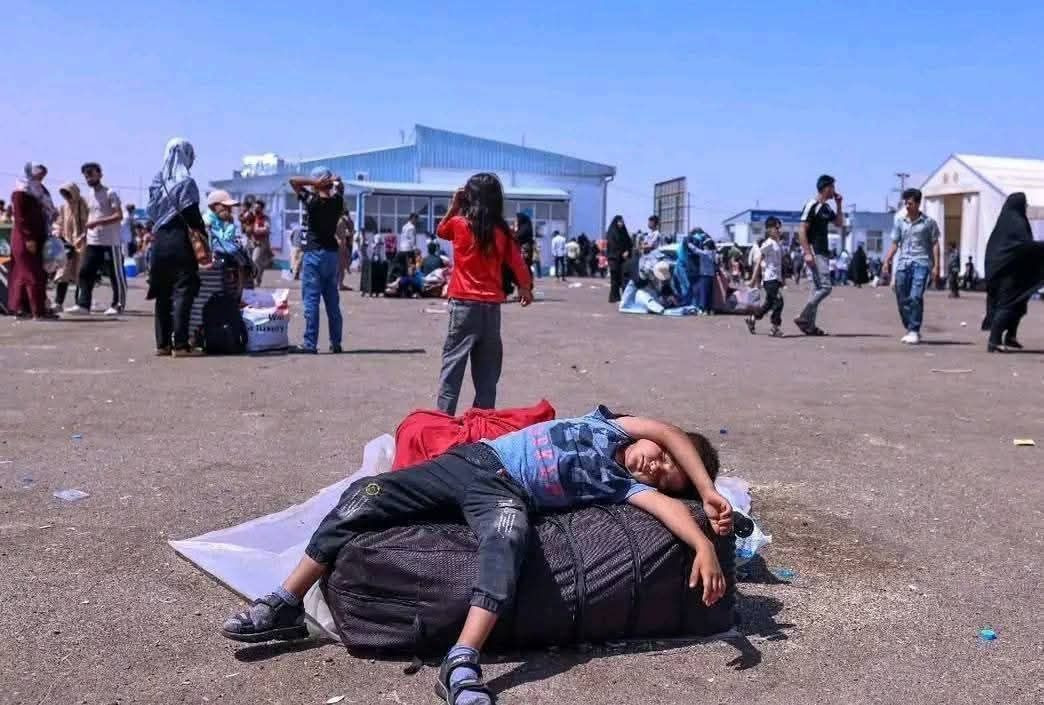
The court’s findings come against a backdrop of sweeping restrictions imposed on girls and women since the Taliban returned to power. Among the measures documented by the ICC are restrictions on education, freedom of movement and freedom of expression. Reuters also reported that Afghanistan remains the only country where girls are barred from secondary education and women from university.
The ICC’s decision does not itself amount to a criminal conviction. Arrest warrants are issued at the pre-trial stage, while the court’s finding that there are reasonable grounds to believe the suspects are criminally responsible is a judicial determination supporting the warrants.
The Taliban has rejected the ICC’s jurisdiction and said it does not recognize the court or its decisions. Taliban spokesperson Zabihullah Mujahid dismissed the warrants and maintained that Taliban leaders had not committed acts warranting arrest or punishment.
The four men remain at large, and the practical enforcement of the warrants depends on cooperation from states because the ICC does not have its own police force. The unsealing of the warrants nevertheless places the alleged crimes and the responsibility identified by the court more clearly in the public record and represents a significant step in international legal scrutiny of Taliban rule.
Share: