Part Three
Author: Hamia Naderi
The Saur Revolution of 1978 ended Afghanistan’s fragile political balance and plunged the country into decades of war, foreign intervention, and internal conflict. In this turbulent period, the question of women shifted from gradual reform to a battleground of competing ideologies. Rather than being recognized as citizens with evolving rights, women were often used symbolically by rival political forces—paying the highest price with their security, freedom, and future.
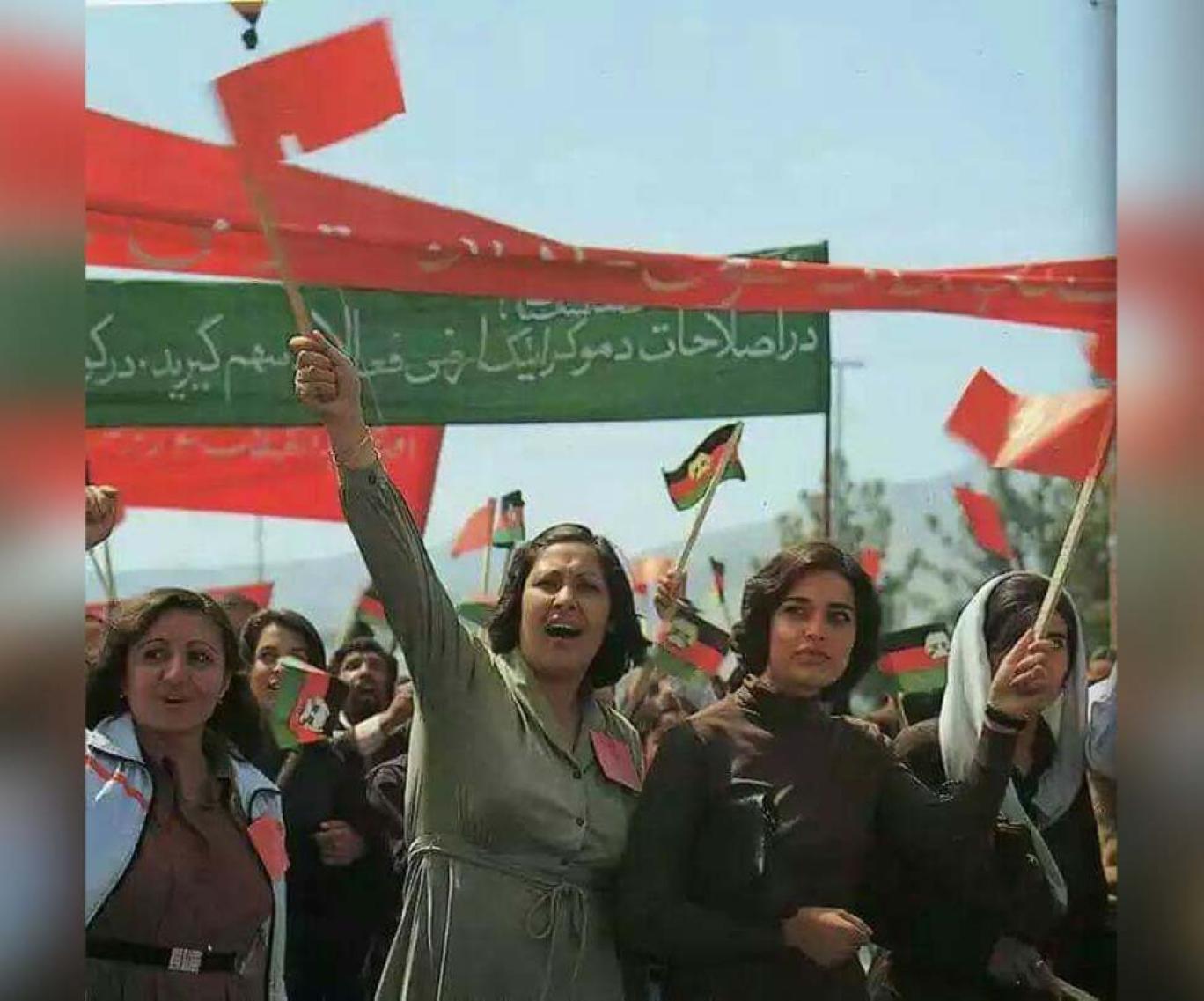
During the rule of the People’s Democratic Party of Afghanistan (PDPA) under Nur Mohammad Taraki, the government introduced rapid “revolutionary reforms” aimed at transforming society. These included legal equality for women, the right to choose marriage and employment, literacy campaigns, and Decree No. 7 (1979) restricting forced marriage and excessive bride price. The Women’s Council of Afghanistan, led by Masuma Esmati-Wardak, expanded nationwide activities and by 1989 had nearly 150,000 members engaged in education and social programs. However, the abrupt and coercive implementation of these reforms—ignoring Afghanistan’s religious and tribal structures—provoked widespread resistance. Policies such as land redistribution and changes to traditional marriage customs helped fuel the rise of armed opposition, turning rural communities into centers of Mujahideen resistance.
After the fall of Dr. Mohammad Najibullah’s government in 1992, the Mujahideen era brought new instability. Kabul was devastated by factional conflict, and women faced increasing restrictions. Regulations introduced in 1993 required strict Islamic dress codes, and the environment for women became increasingly tense and uncertain. Many women who had previously studied or worked in public institutions found themselves navigating a society marked by fear, social pressure, and insecurity. Reports from organizations such as Amnesty International (1995) documented widespread coercion and harassment, though many women continued to struggle to maintain dignity and resilience.
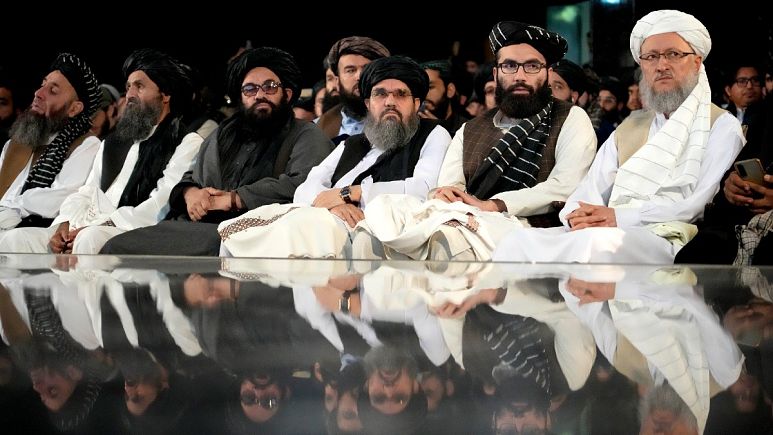
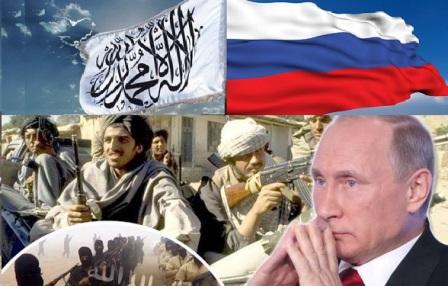
The situation deteriorated further with the rise of the Taliban in 1996, ushering in one of the darkest periods for Afghan women. Under the Taliban’s rigid interpretation of Islamic law, women were banned from education and employment and forced to wear the burqa. They were prohibited from leaving home without a male guardian, and even minor violations could result in punishment by the Ministry for the Promotion of Virtue and Prevention of Vice. Women were erased from public life: their images disappeared from media, their voices from radio, and their presence from public spaces.
Restrictions also affected healthcare, as women could not be treated by male doctors while the number of female physicians had sharply declined. By 2001, reports suggested that only about 1.2 percent of Afghan girls had access to any form of education, often secretly conducted at home.
Despite this repression, a quiet resistance emerged. Women transformed their homes into underground schools, risking severe punishment to educate girls in secret. Historical accounts indicate that at least 55 clandestine schools operated in Kabul and other cities. These hidden classrooms became powerful symbols of resilience, preserving knowledge and hope during a time of extreme oppression.
In retrospect, this 23-year period demonstrates how war and ideology turned women into primary victims of political conflict. On one side, a “red ideology” pursued rapid reforms without cultural sensitivity; on the other, a “black ideology” imposed rigid interpretations that stripped women of basic rights. Yet amid these competing forces, Afghan women sustained a quiet but enduring resistance—preserving education, dignity, and hope within the walls of their homes.
This painful legacy of endurance would later lay the foundation for the transformations that followed after the fall of the Taliban, when Afghanistan entered a new and complex chapter in the struggle for women’s rights.
Share: