Part Two
Author: Hamia Naderi
The mythic and symbolic image of women, over time, moved beyond the confines of abstract narratives and became embodied within concrete social, economic, and legal structures. In other words, what initially emerged as a cultural perception gradually transformed, through historical evolution, into rigid and enduring institutions—shifting inequality from the realm of thought into the realm of structure.
With the transition of human societies from nomadic lifestyles to settled agriculture, the organization of production underwent significant change. New agricultural tools and a growing focus on land cultivation gradually redefined economic roles. In this process, as analyzed by Gerda Lerner in The Creation of Patriarchy, new systems of production and divisions of labor increasingly displaced women from the center of economic activity. This transformation was not sudden, but rather a gradual process in which economic shifts intertwined with social and legal changes.
Within this context, the concept of private property gained fundamental importance. As land and assets became transferable across generations, the issue of ensuring lineage and controlling inheritance became a central concern of social structures. Under such conditions, women’s bodies became increasingly linked to this logic, and controlling them became part of the mechanisms for preserving property and social order. Thus, control over women’s bodies should be understood not merely as a cultural phenomenon, but as part of broader systems of power and regulation. What may have initially been perceived as biological differences, in certain structures evolved into social distinctions and eventually institutionalized inequality.
At this stage, religious institutions—and particularly certain historical interpretations of religion—played a significant role in stabilizing and legitimizing this emerging order. It is important, however, to distinguish between religion as a system of belief and its historical interpretations. In many cases, restrictions imposed on women in the name of religion have been less about the essence of faith and more about specific readings shaped within patriarchal contexts. In numerous societies, religion became one of the languages through which existing social orders were justified, although this process was neither uniform nor identical across cultures.
This pattern can also be observed in later historical periods in different forms. In European history, particularly during the era of the Inquisition, a phenomenon emerged in which social and religious anxieties became intertwined with the control of women’s bodies. As Silvia Federici argues in Caliban and the Witch, the witch hunts cannot be understood merely as religious deviations; rather, they should be analyzed within the broader restructuring of power relations and the control of labor and women’s bodies. In this process, women’s traditional knowledge and their relatively independent roles in certain social spheres were redefined as threats to the dominant order and were subsequently suppressed.
Similar dynamics can be seen in other societies. In many traditional and tribal structures, women’s roles have largely been defined within the framework of family and reproduction. According to Leila Ahmed, in parts of the history of Muslim societies, cultural and social interpretations—interacting with power structures—gradually contributed to the restriction of women’s agency. Within this framework, an aware and conscious woman is often perceived not merely as an individual, but as a challenge to the established social order, since awareness has the potential to redefine power relations.
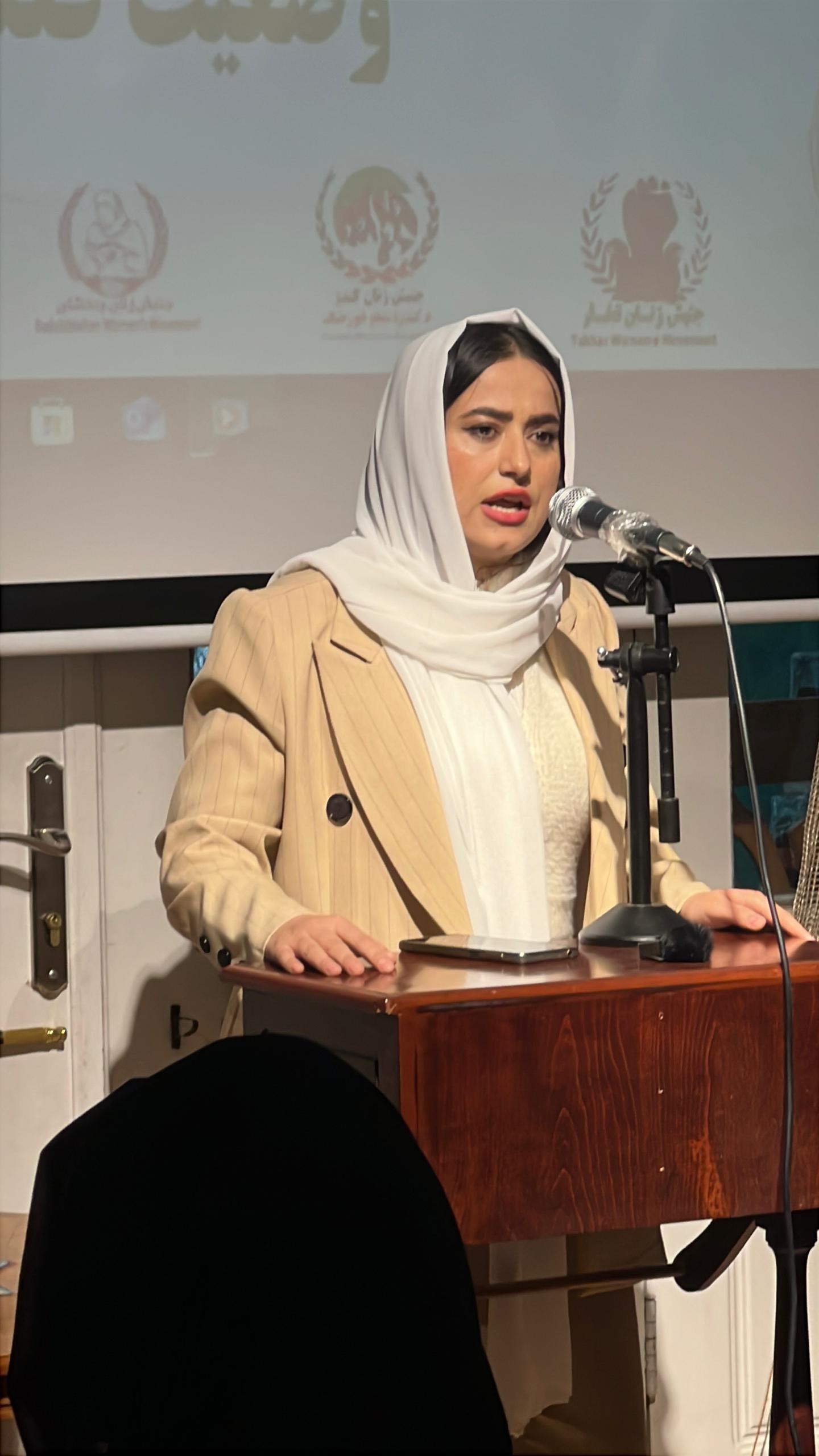
However, this trajectory cannot be understood as linear or one-dimensional. Even within restrictive structures, various forms of resistance, redefinition of roles, and individual and collective actions by women have always existed. These acts of resistance have appeared both in everyday life and in organized social movements, demonstrating that dominant systems are always accompanied by internal tensions and challenges.
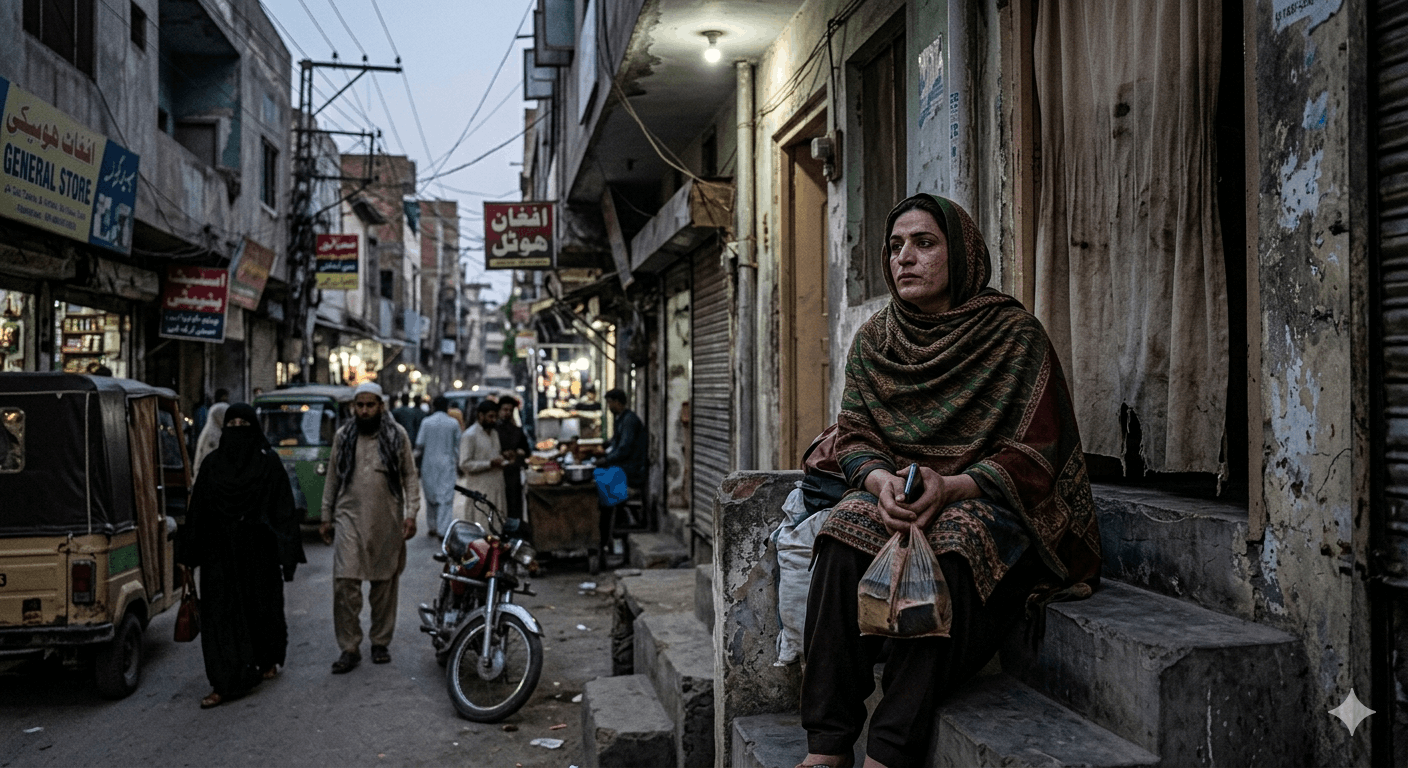
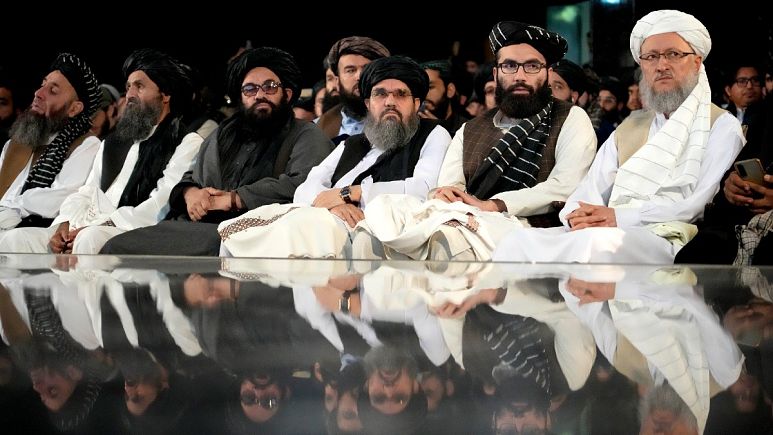
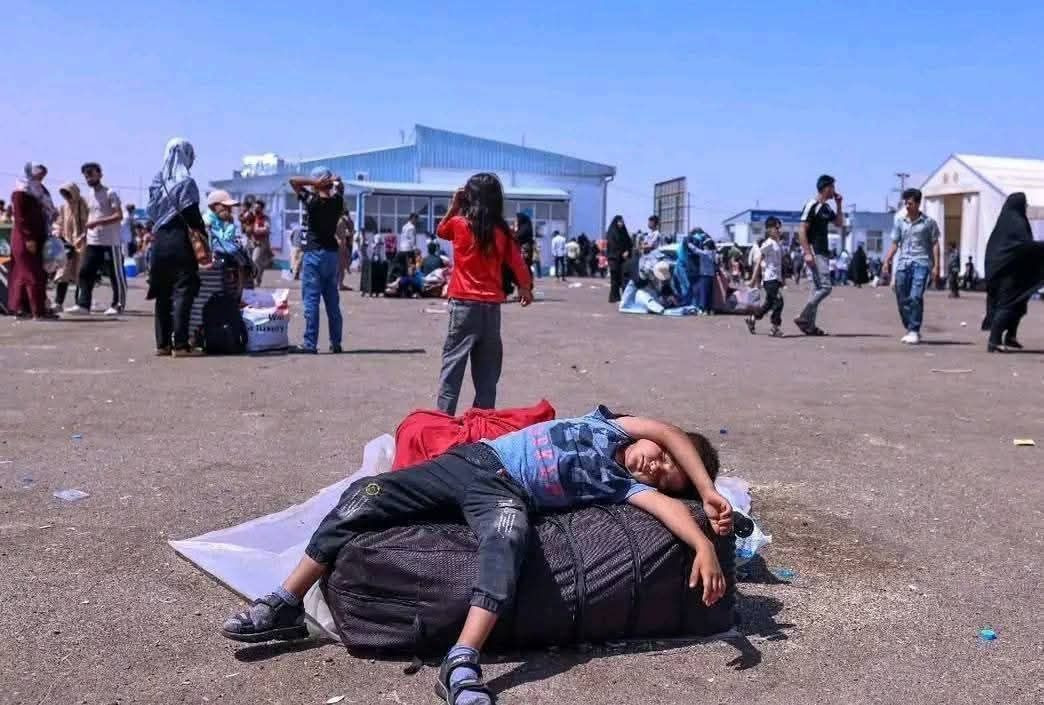
In the contemporary era, this historical tension has become more visible in certain societies. In Afghanistan, widespread restrictions on women’s education, employment, and social participation illustrate the continuation of some historical patterns in new forms—patterns in which the exclusion or limitation of women from public space is often justified in the name of social or religious values. Nevertheless, even within these conditions, new forms of awareness and resistance are emerging.
Overall, what can be observed in this section is a complex and multilayered process in which economic, religious, and social structures have gradually contributed to the formation and consolidation of gender inequality. At the same time, this historical perspective demonstrates that such inequality is not natural or immutable, but rather a historical phenomenon—one that can be questioned and transformed.
Share: