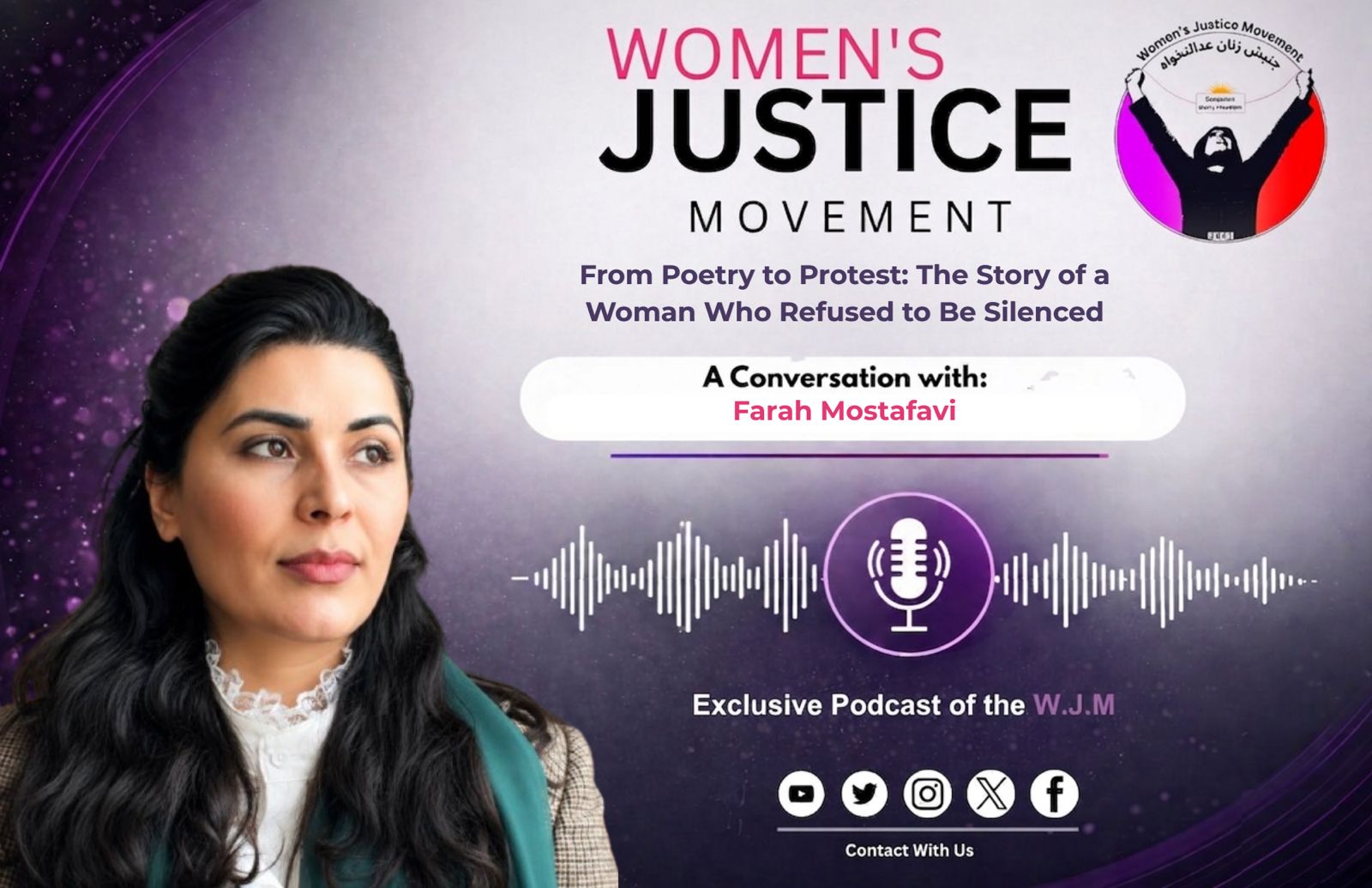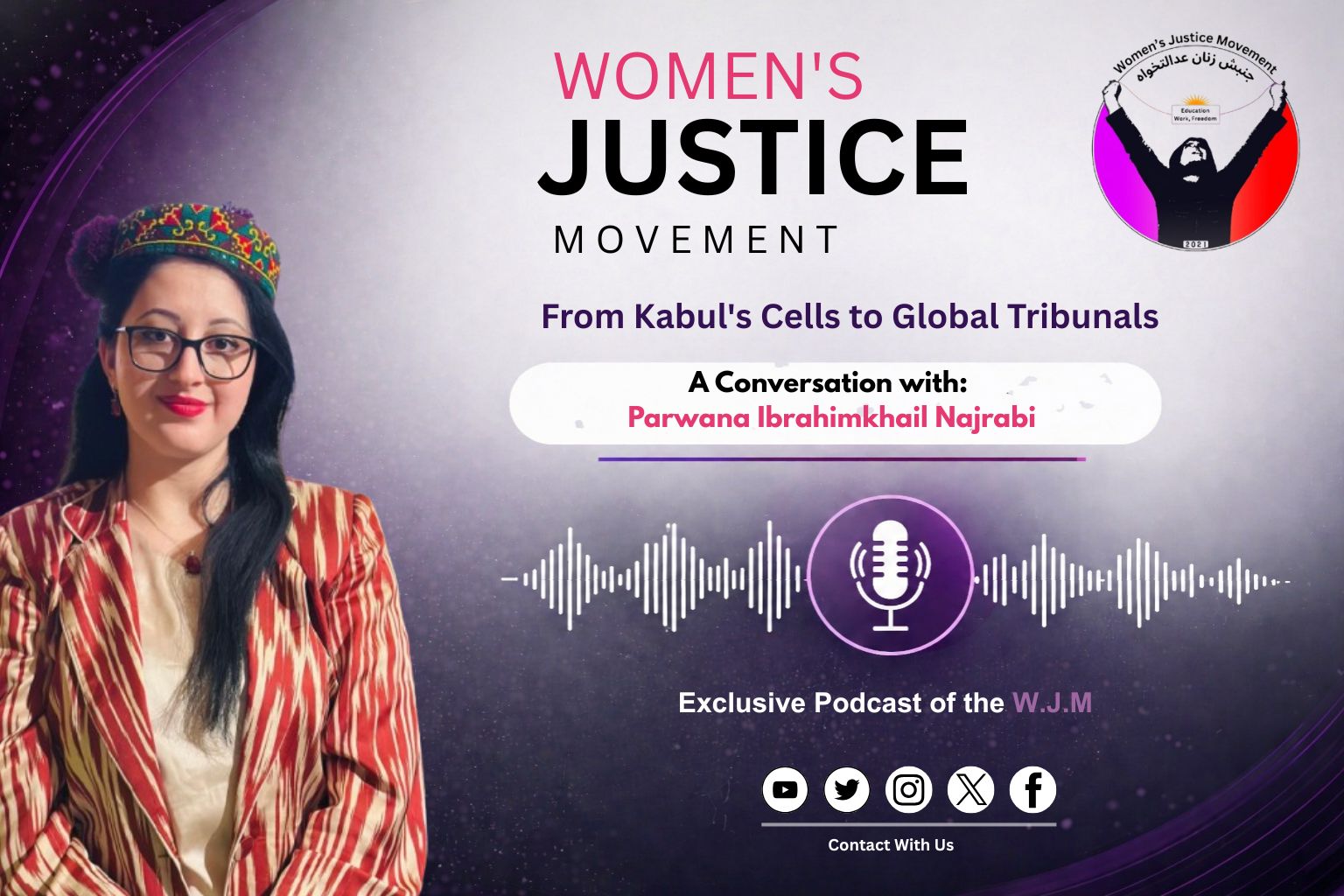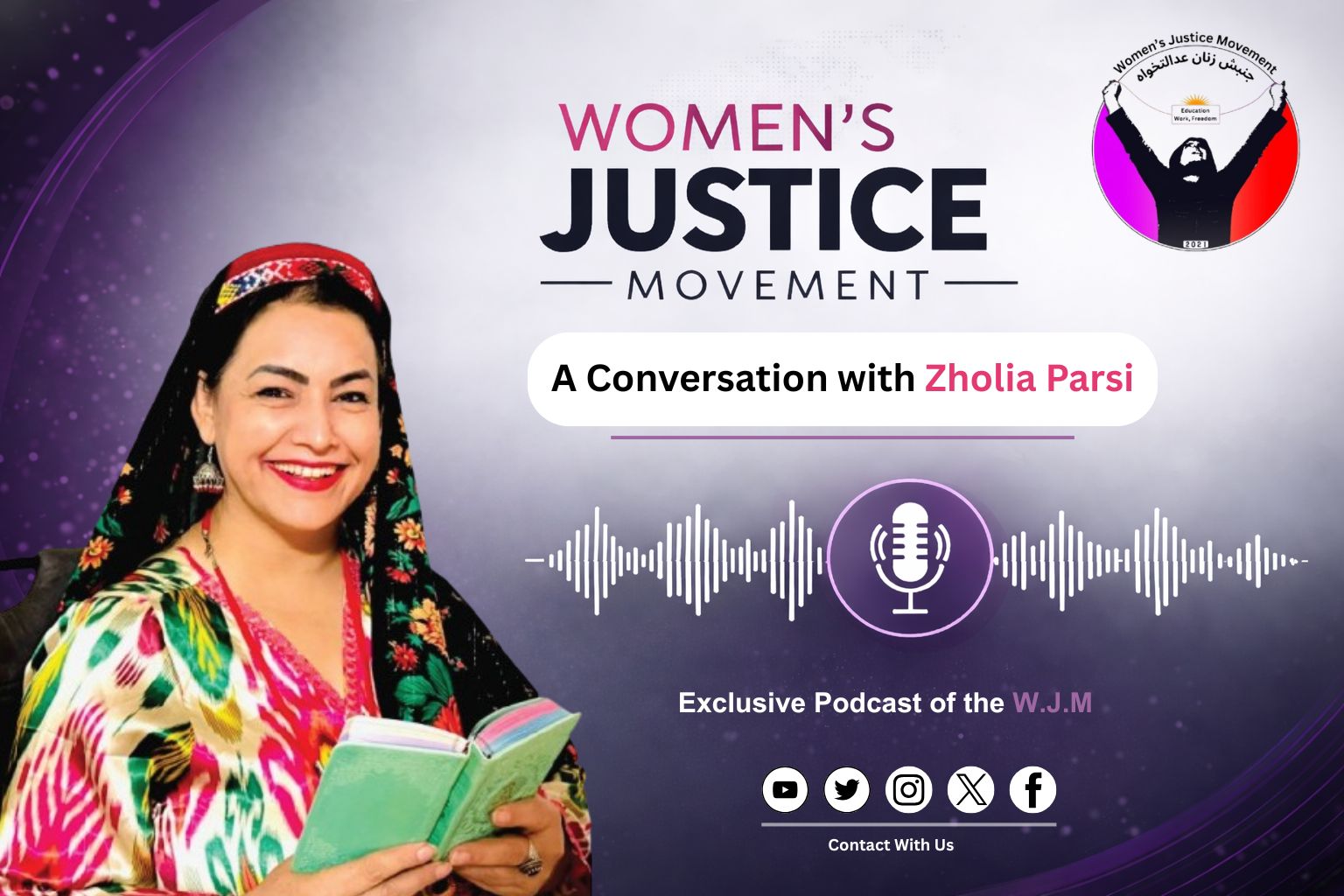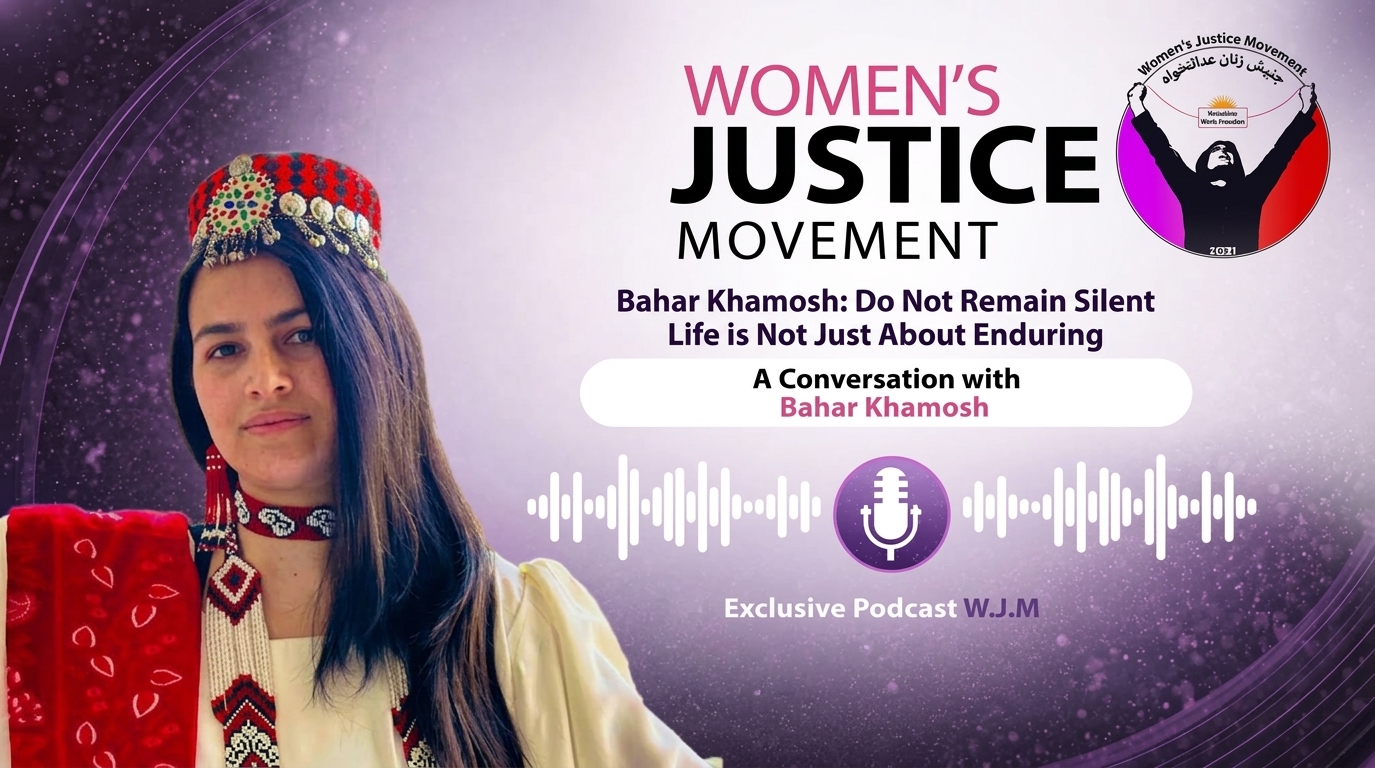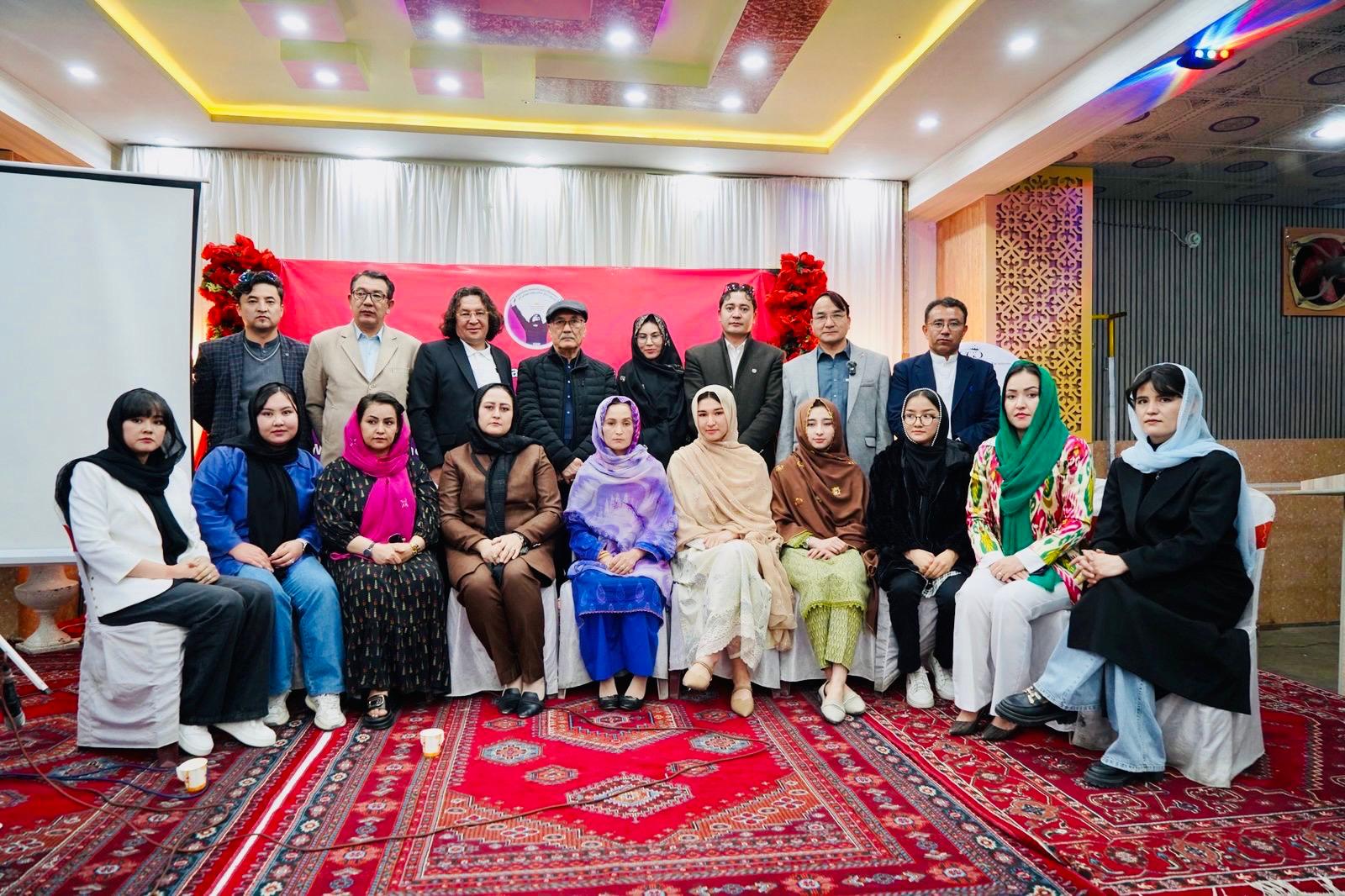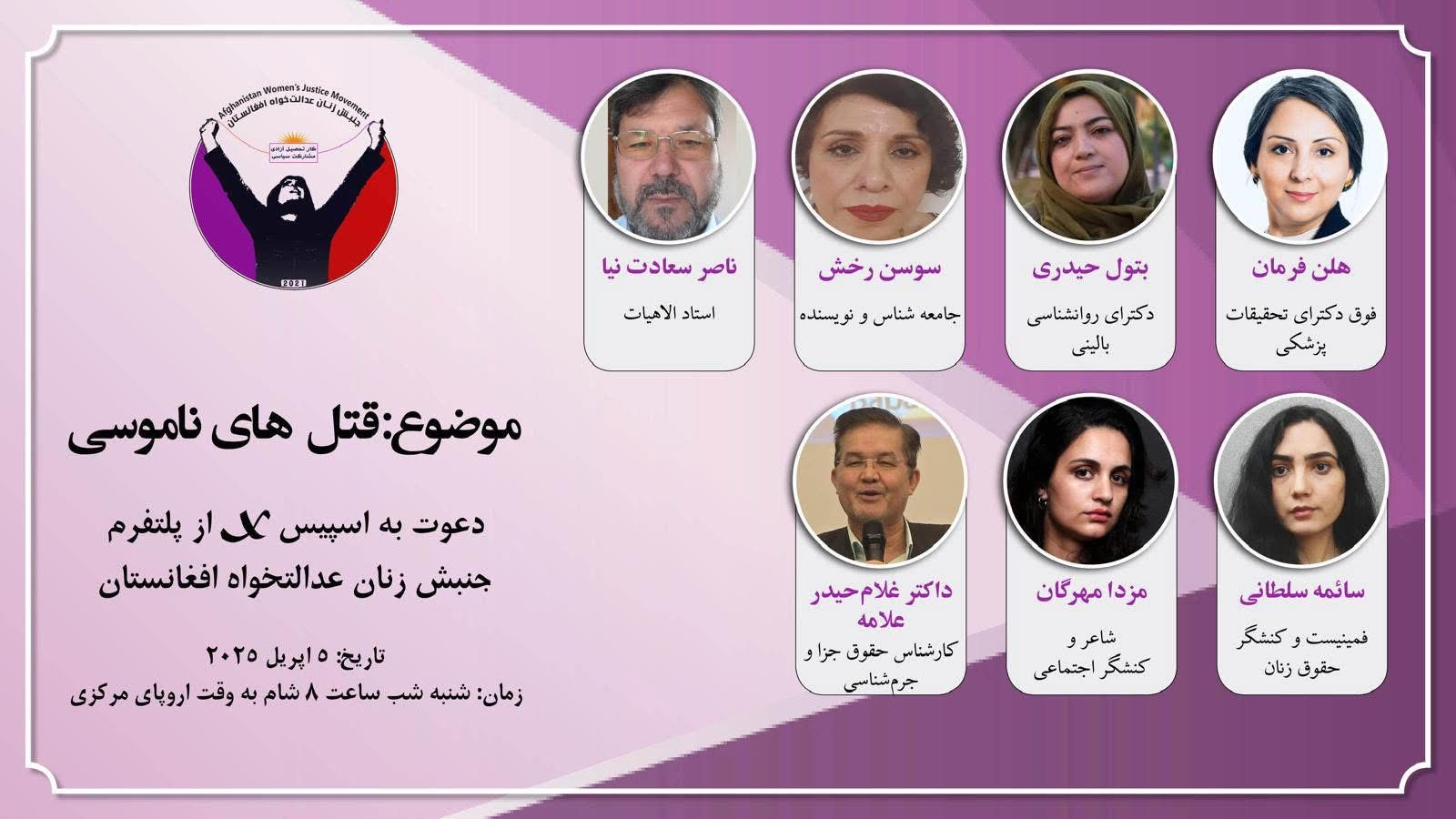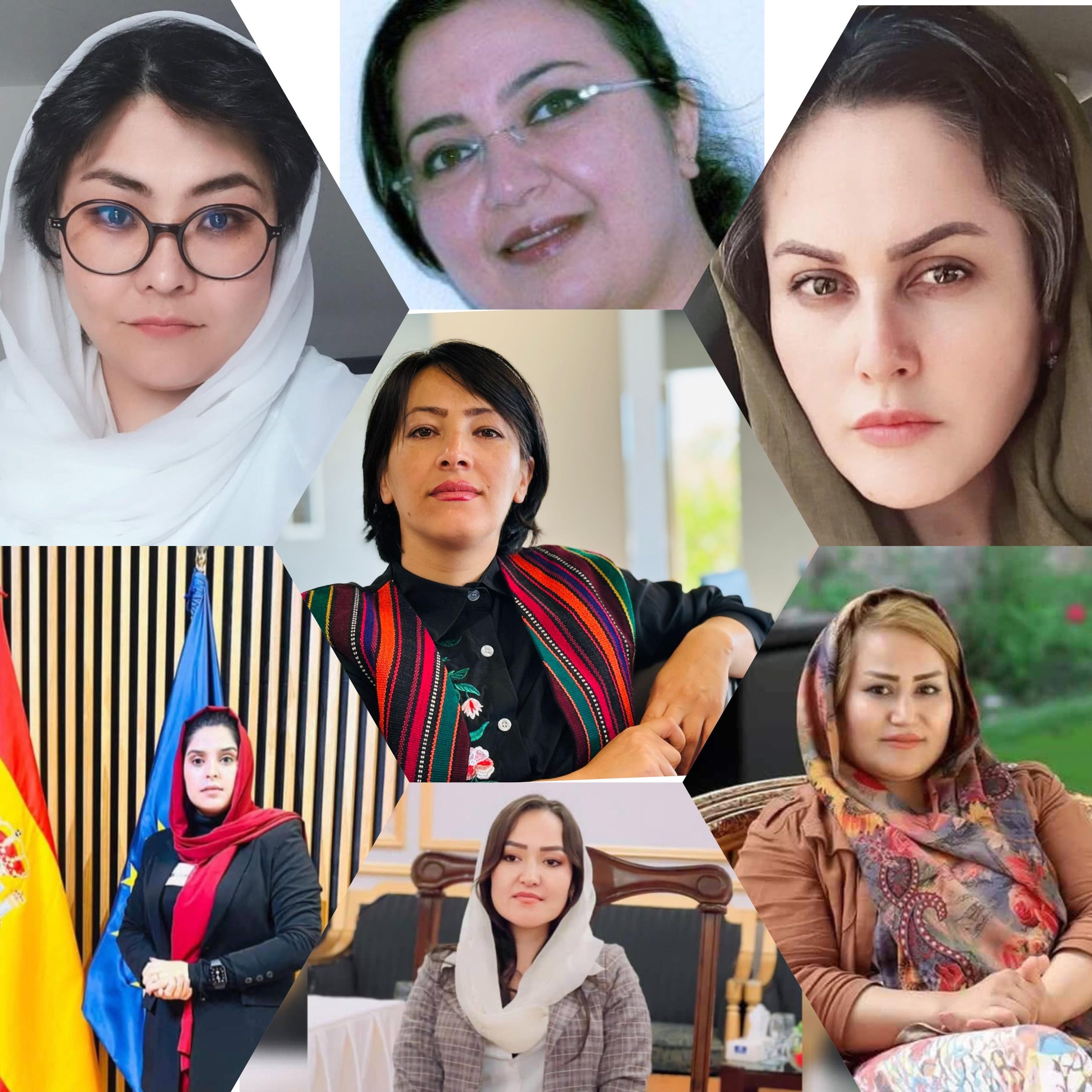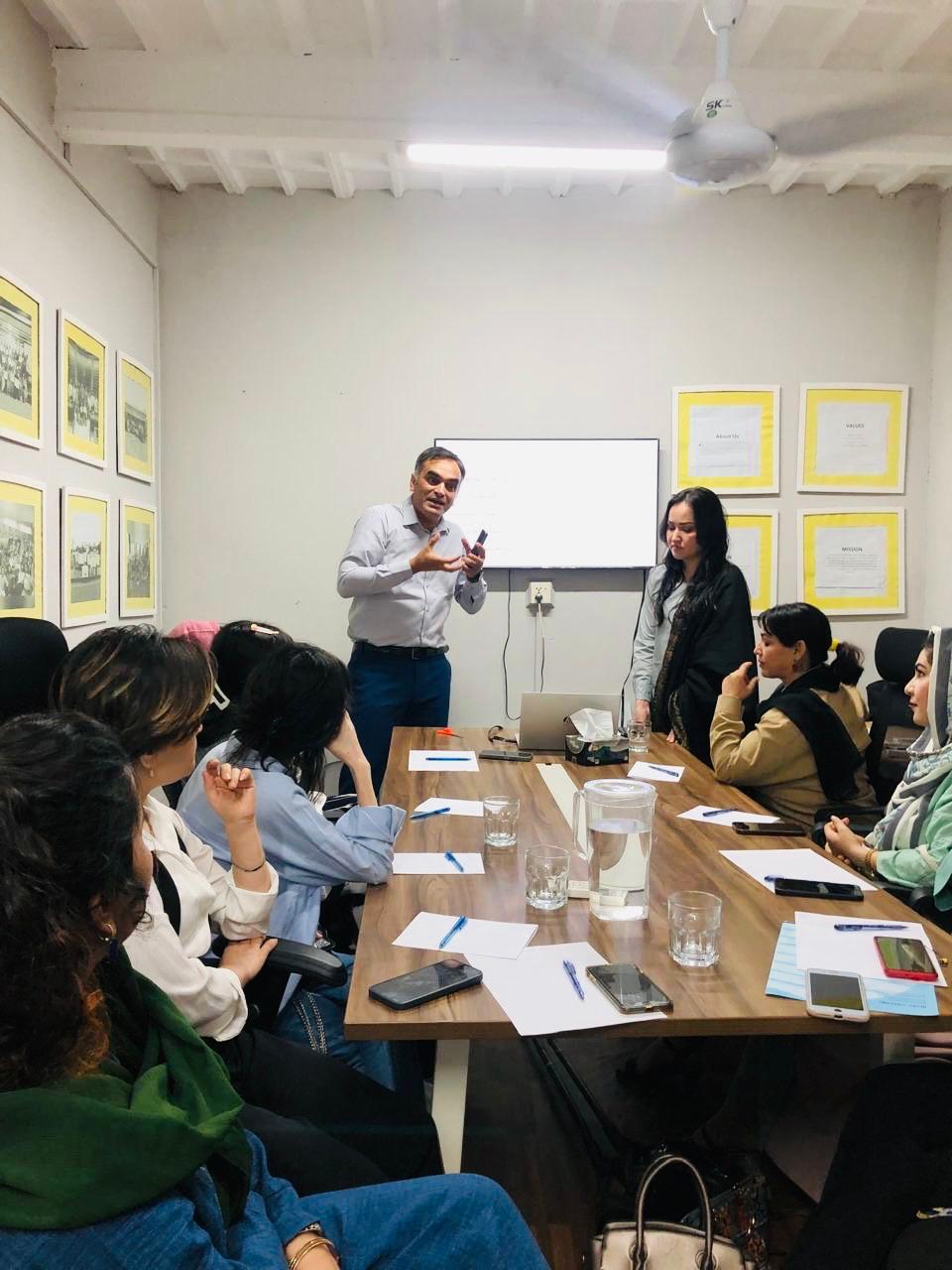
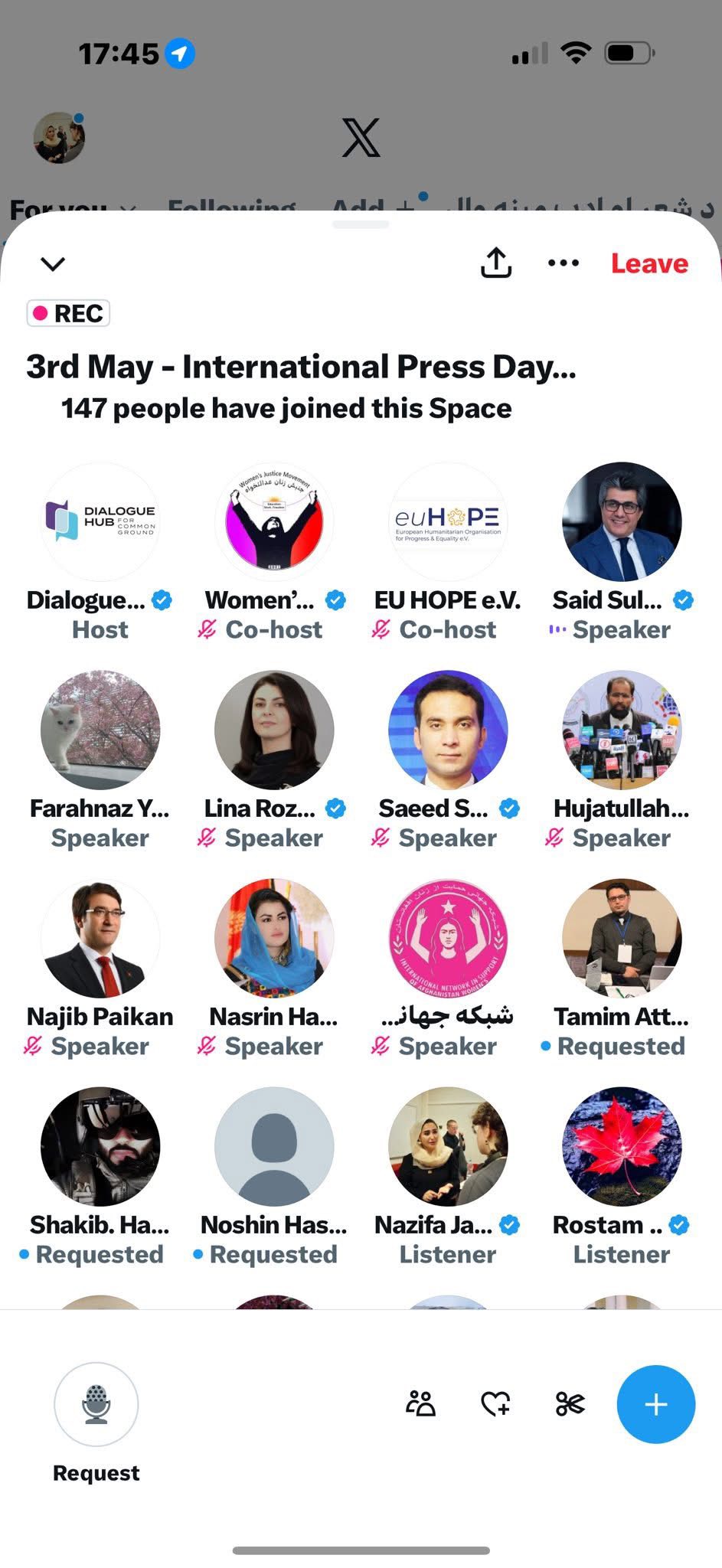
On the occasion of World Press Freedom Day (May 3rd), a high-level multi-stakeholder X Space discussion was convened to address the collapsing pillars of journalism in Afghanistan. The event was a collaborative effort by Dialogue Hub, EUHope e.V., Women’s Justice Movement, EVE, and the Self-Organized Afghan Women’s Movement. Bringing together a diverse panel of journalists, legal experts, and human rights defenders from both within Afghanistan and the diaspora, the session served as a somber audit of a profession under siege.
1. The Institutional Collapse and the Shadow of Censorship
The discussion opened with a harrowing overview of the media landscape. Since August 2021, the Afghan media sector has shifted from one of the most vibrant in the region to a state of systemic paralysis. According to UNESCO data highlighted during the session, between **40% and 50% of media outlets** have ceased operations.
One senior journalist, speaking from an undisclosed location, remarked:
"Censorship in Afghanistan is no longer just a set of external directives; it has become an internal ghost. Journalists are forced to weigh every word against the safety of their families. When you kill the independence of a newsroom, you kill the conscience of the nation."
The participants noted that those outlets still operating are often reduced to state-controlled mouthpieces, stripped of their investigative power and ability to hold authorities accountable.
2. The Human Cost: Journalists in Shadows and Chains
A significant portion of the dialogue focused on the physical dangers facing reporters. The names of five detained journalists Bashir Hatif, Shakib Ahmad Nazari, Abu Zar Sarpali, Wahid Farhadi, and Aziz Watandost were raised as symbols of the ongoing crackdown.
A human rights defender contributed a poignant reflection on these detentions:
"Every day a journalist spends in a cell for reporting the truth is a day the public is robbed of its future. These are not just statistics; they are fathers, sons, and professionals whose only 'crime' was refusing to be silent in an era of enforced noise."
3. The Gendered Erasure: Women in Media
The intersection of gender and journalism was a primary focus. Women journalists in Afghanistan face a double-layered persecution: once for their profession and once for their gender. From mandatory face coverings to bans on interviewing male officials, the restrictions aim at total "visibility erasure."
A representative from the Self-Organized Afghan Women’s Movement stated:
"To be a woman journalist in Afghanistan today is an act of daily resistance. We are being told we cannot be seen, we cannot be heard, and we should not exist in the public sphere. But if the women of Afghanistan are silenced, the world will never know the full depth of the humanitarian crisis unfolding behind closed doors."
4. Economic Asphyxiation and the Brain Drain
Beyond political pressure, the media sector is reeling from a catastrophic economic crisis. The withdrawal of international funding and the collapse of the local advertising market have left thousands of media workers unemployed.
An exiled media manager noted:
"We are witnessing a massive 'brain drain.' Our most experienced editors and reporters are either fleeing the country or selling fruit on the streets to survive. Without economic sustainability, independent journalism cannot survive, even if the political pressure were to ease."
Call to Action: A Blueprint for Survival
The discussion concluded with a unified Call to Action, urging the international community to move beyond rhetoric and toward tangible support:
* Immediate Advocacy: Demand the unconditional release of all detained journalists and media workers.
* Protection Mechanisms: Create "safe passages" and emergency visa quotas for journalists facing imminent life threats.
* Financial Lifelines: Establish dedicated funds to support Afghan media-in-exile and small, underground women-led newsrooms operating within the country.
* Technological Support: Provide tools for secure communication and digital bypasses to overcome local censorship.
Conclusion
The core message of the X Space was clear: Journalism is not a crime; it is a public service. The participants sent a powerful reminder to the global community that without a free press, there is no transparency, no accountability, and no voice for the most vulnerable.
The organizers extended their deepest gratitude to the panelists, moderators, and the hundreds of listeners who joined the session, proving that while the airwaves in Afghanistan may be restricted, the spirit of the Afghan media remains unbroken.
#WorldPressFreedomDay #PressFreedom #Afghanistan #JournalismIsNotACrime #FreeTheJournalists #MediaFreedom #HumanRights #SupportAfghanMedia #WomensRights #FreedomOfExpression
Share: