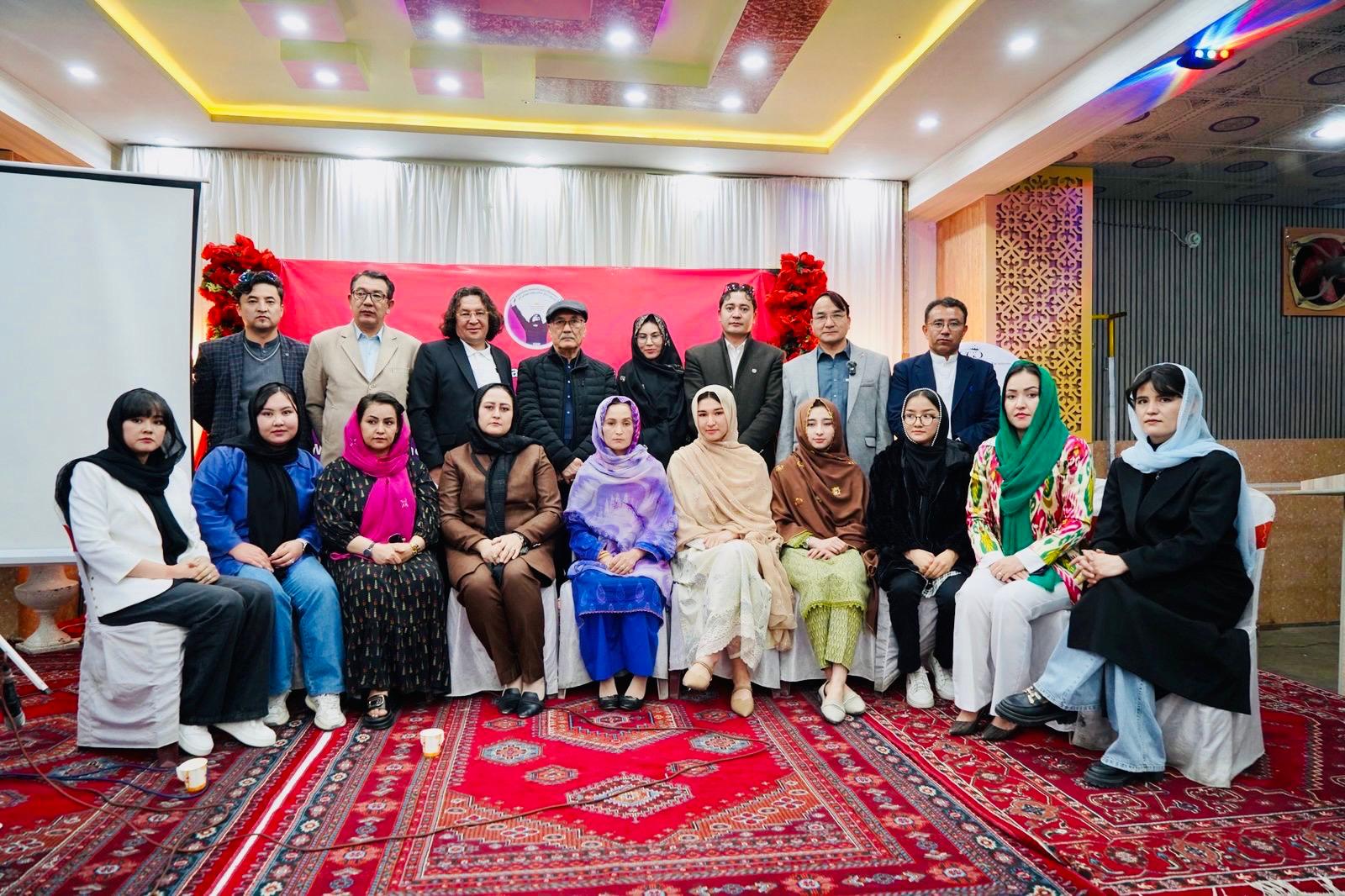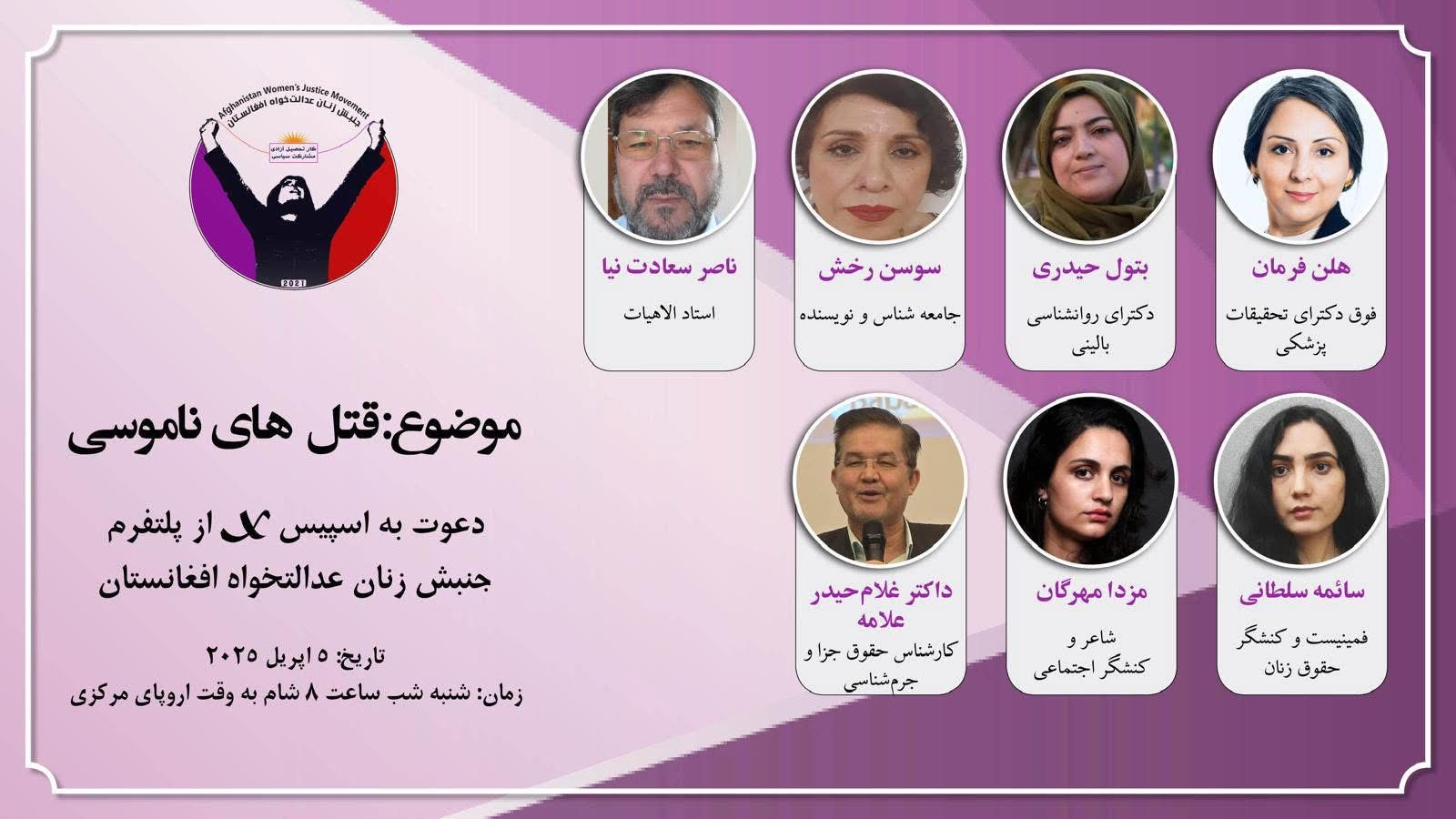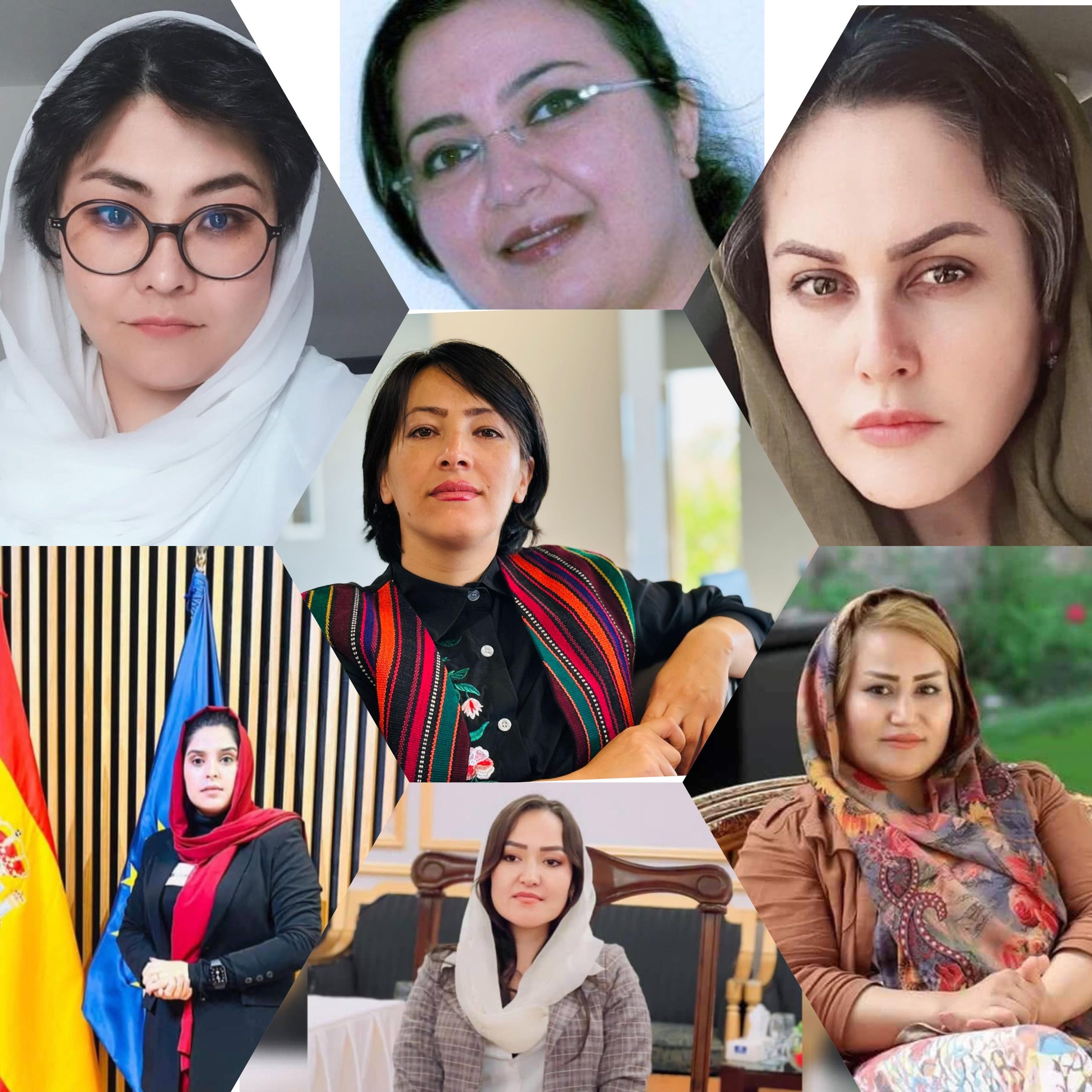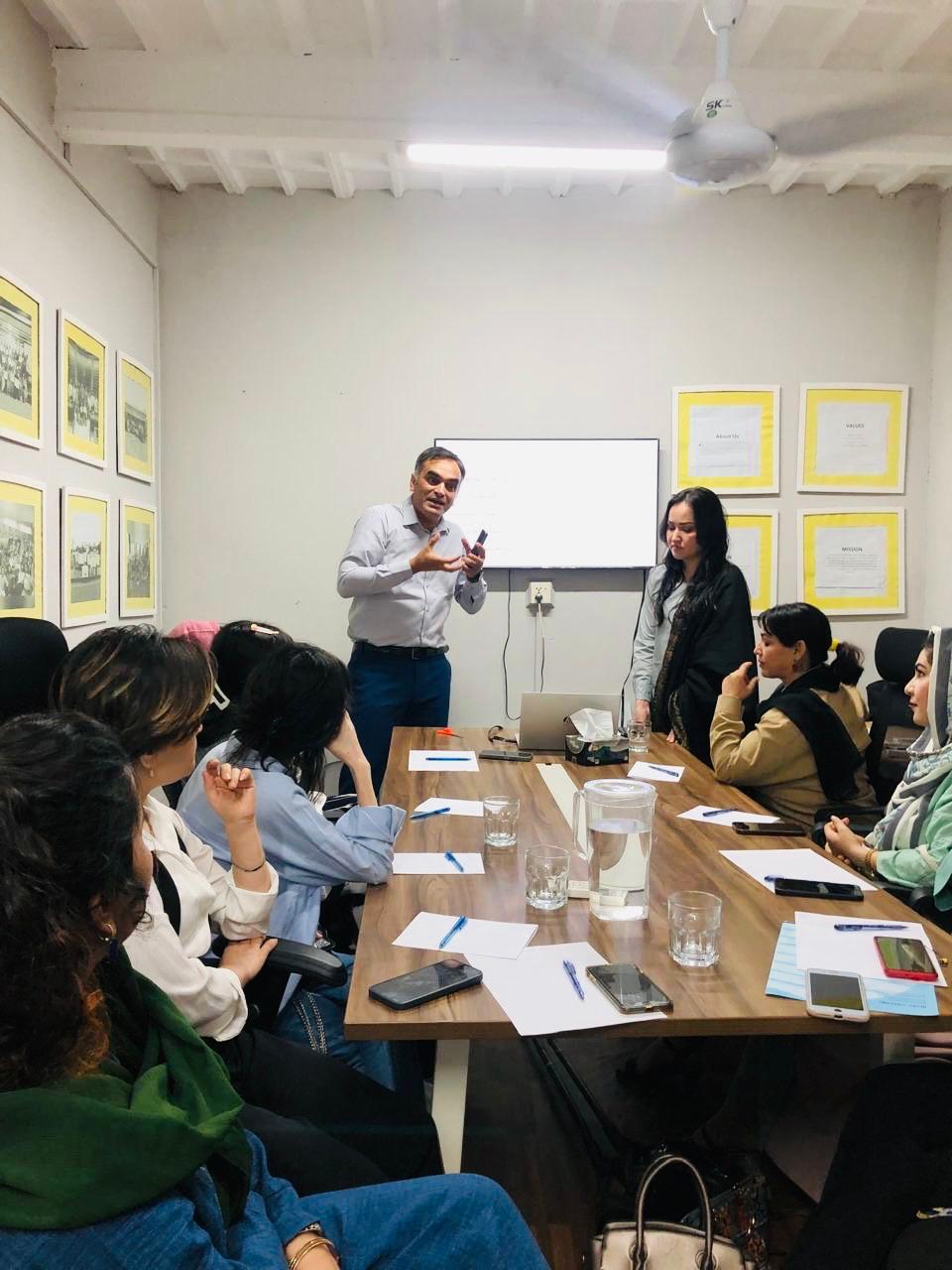
In a timely and urgent webinar titled “Afghanistan Women Deserve Solidarity, Protection, and Action, Not Abandonment,” jointly hosted by the Women Justice Movement, Dialogue Hub, and the International Network in Support of Afghanistan Women, we engaged in a critical and thought-provoking discussion on one of the most pressing crises of our time: the deteriorating state of human rights in Afghanistan—particularly the systematic erosion of women’s rights.
Held on Saturday, April 18, 2026, the event brought together a diverse group of voices from diplomatic, political, and civil society backgrounds. This convergence of perspectives created a meaningful space for dialogue, reflection, and strategic thinking at a moment when Afghanistan risks being sidelined in global priorities.
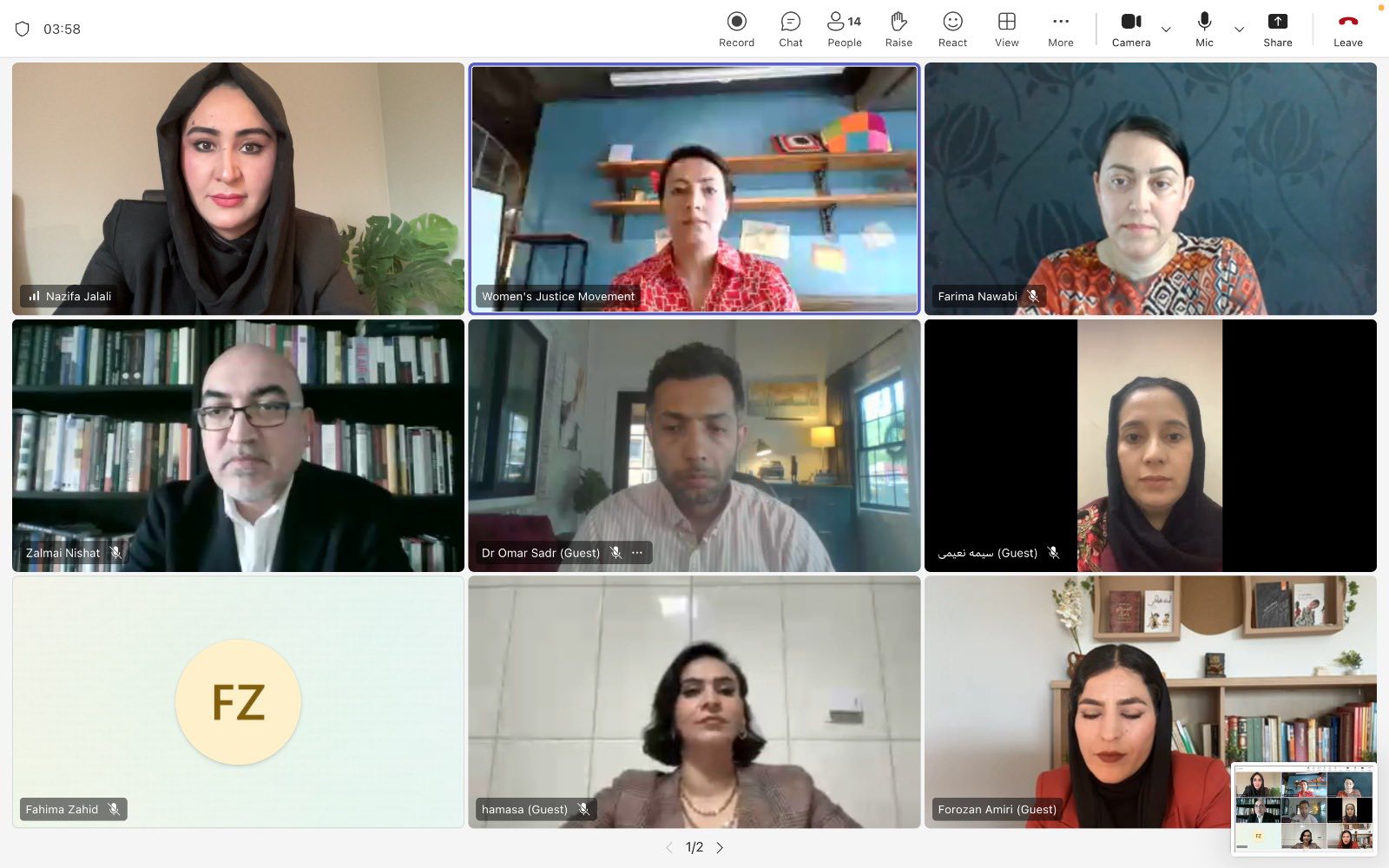
Distinguished speakers, including Zulmai Nishat, Fam Nawabi, and Omar Sadr, contributed rich insights into the evolving political and human rights landscape, while Forozan Amiri skillfully moderated the discussion, guiding participants through complex and often difficult realities with clarity and depth.
Several key themes and concerns emerged from the conversation:
First, Afghanistan continues to be entangled in competing geopolitical interests. The absence of a unified and consistent international strategy has significantly weakened global engagement, pushing human rights—especially the rights of women—further down the list of international priorities. This fragmentation has allowed the current situation to deteriorate with limited accountability.
Second, despite sustained domestic resistance and international advocacy, restrictions imposed on women have not only remained in place but have intensified in both scope and severity. The concept of “gender apartheid” was highlighted as a critical analytical framework for understanding the systematic and institutionalized discrimination against women in Afghanistan. However, participants stressed that this concept still requires broader recognition and deeper understanding, particularly within Afghan society itself.
Third, participants underscored the extraordinary courage and persistence of Afghan women. Their ongoing advocacy, resistance, and visibility—both inside the country and in exile—have played a vital role in preventing the normalization and international legitimization of the Taliban regime. Yet, these efforts cannot and should not stand alone. There is an urgent need for stronger, more coordinated global support, including unified narratives, strategic advocacy, and sustained international alliances.
The webinar concluded with a clear and powerful message:
Without genuine solidarity, concrete and sustained action, and coordinated international pressure, meaningful and lasting change in Afghanistan will remain elusive.
Afghan women are not only demanding their rights—they are defending the very principles of justice, dignity, and human rights. The responsibility to stand with them lies not only with governments and institutions, but with the global community as a whole.
#AfghanWomen #HumanRights #Afghanistan #GenderApartheid #Solidarity
Share: