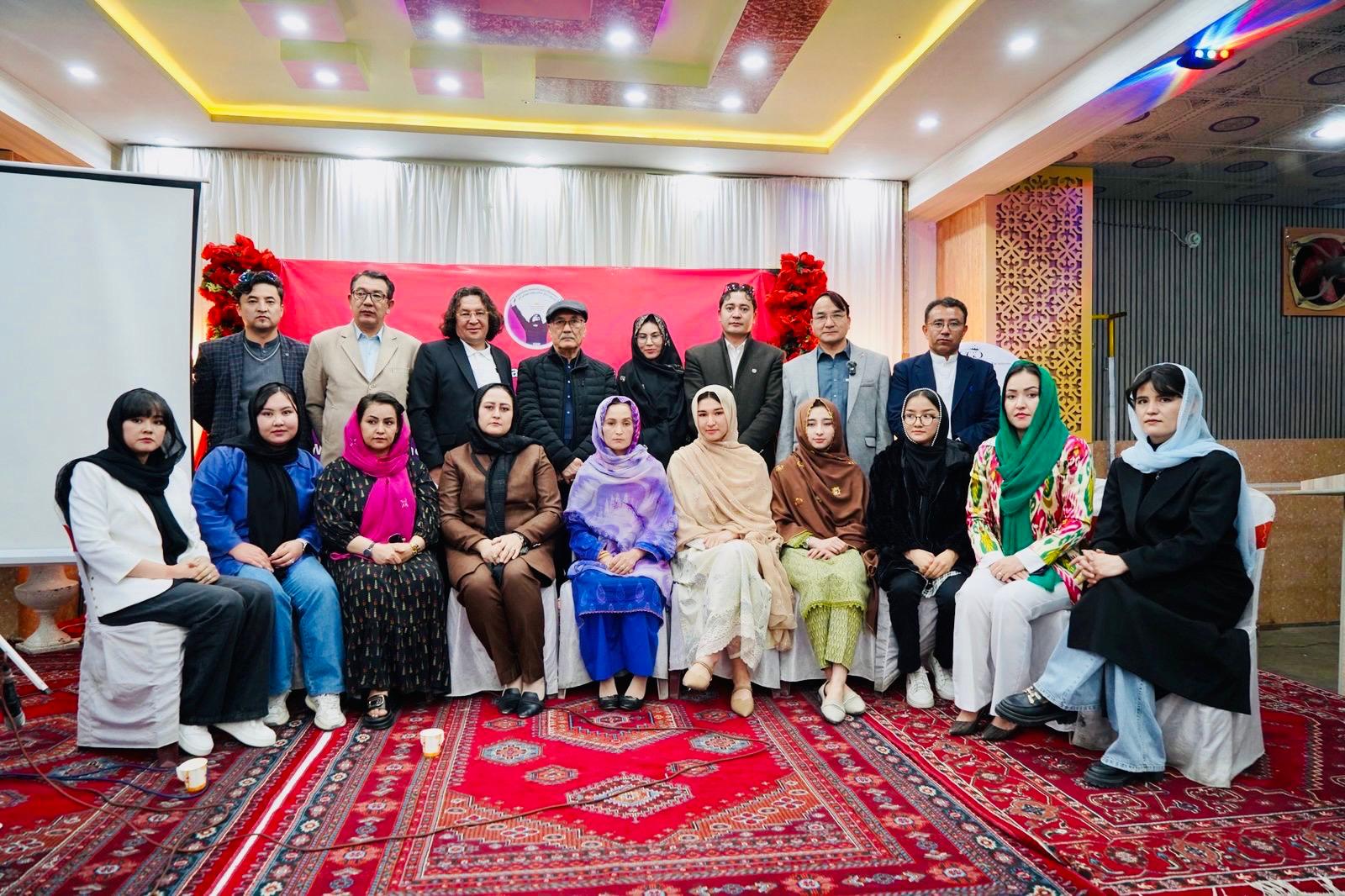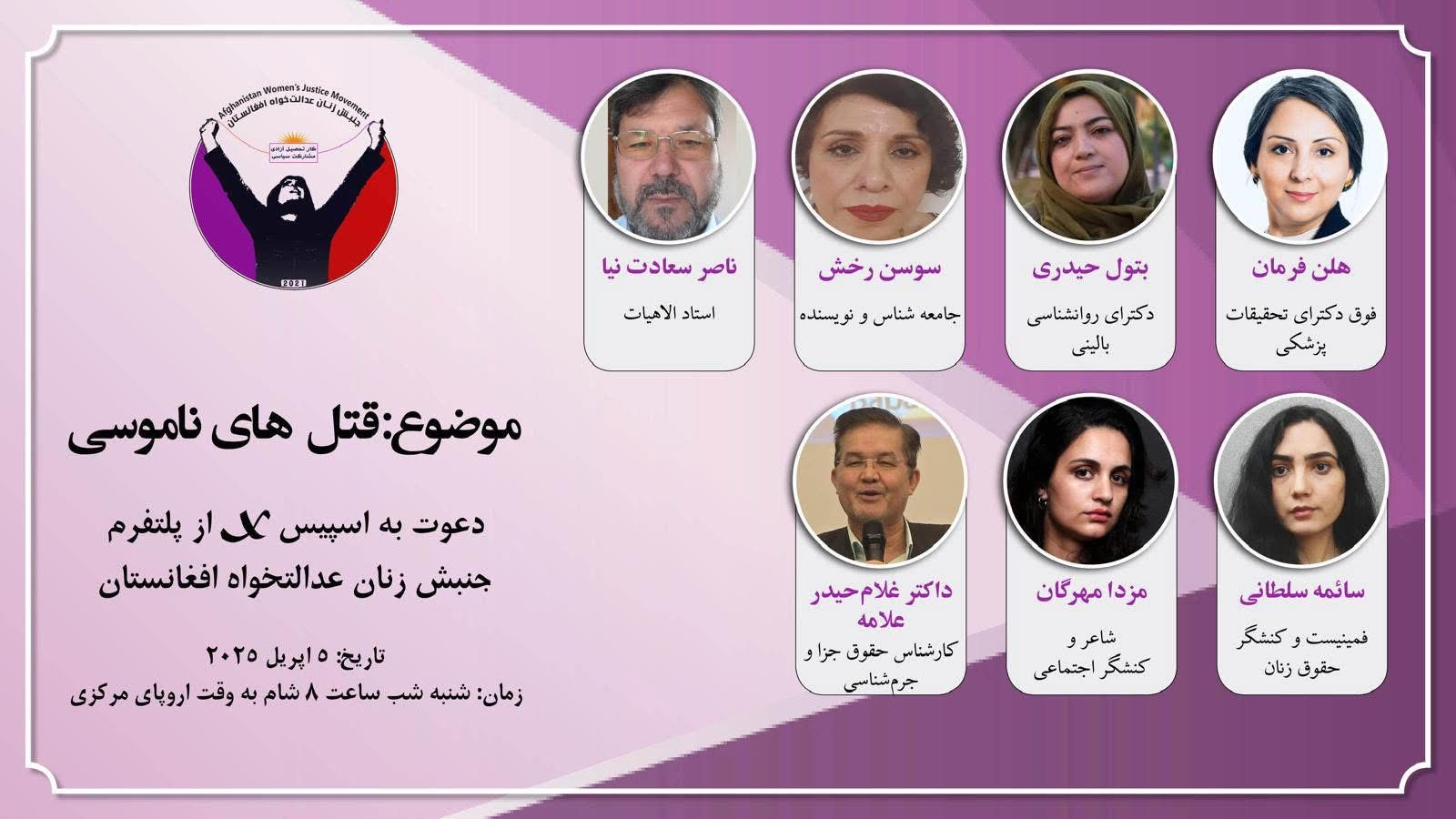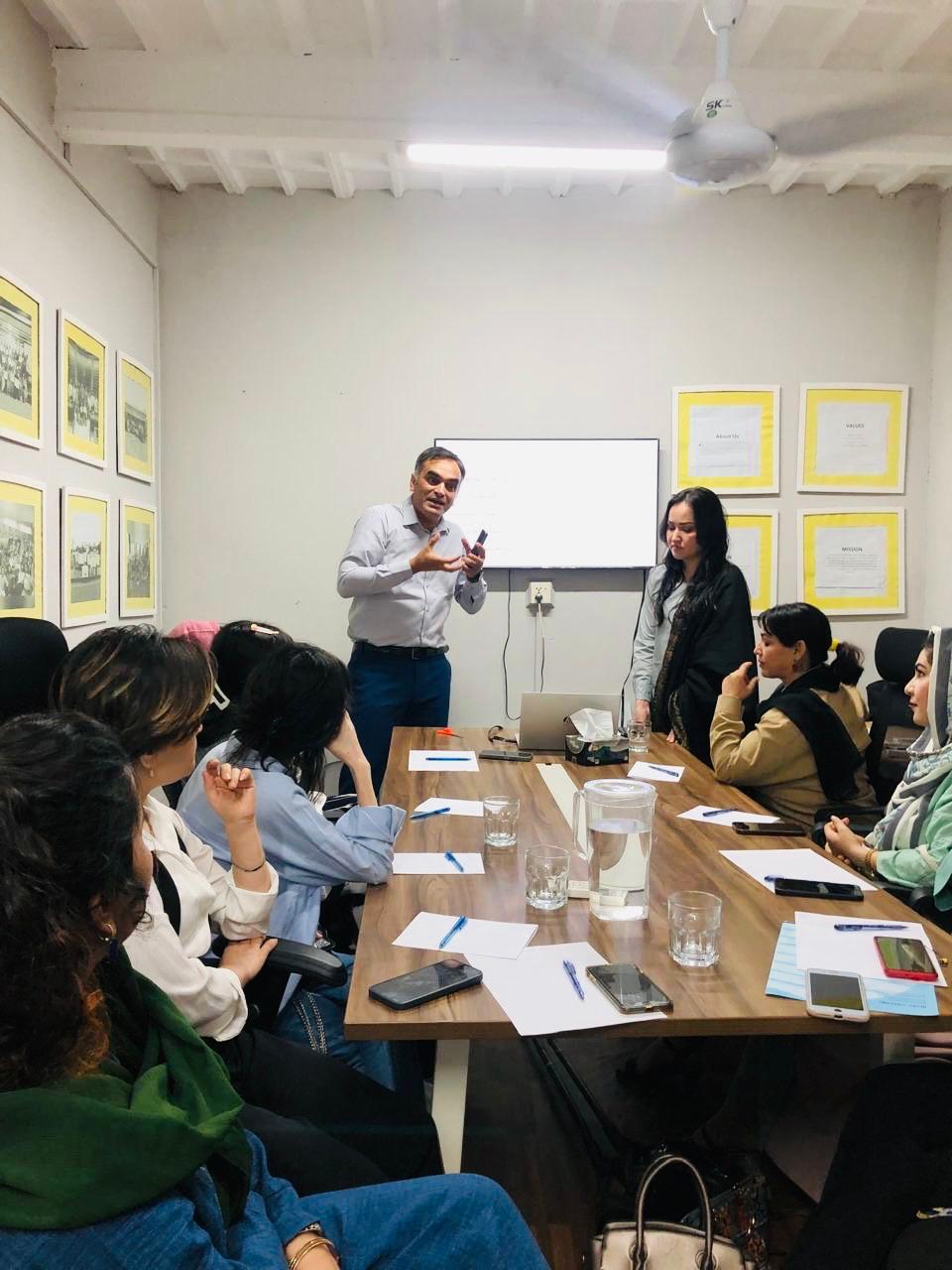
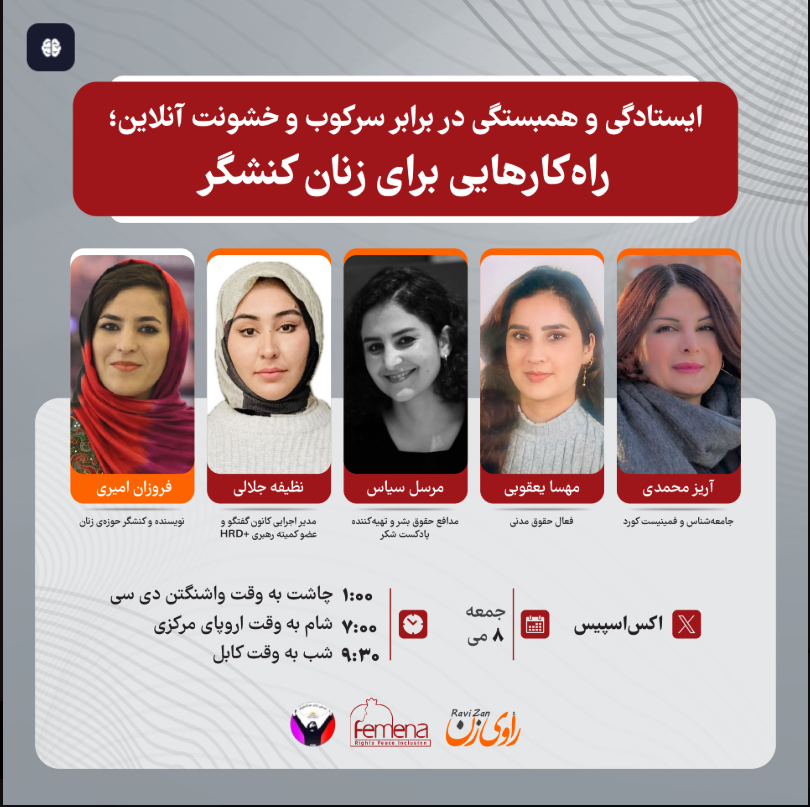
In tandem with recent political shifts, digital spaces and social media platforms have transformed into frontline battlefields for women activists. Concurrently, however, these spheres have been weaponized into arenas for organized cyberbullying, systemic suppression, and digital threats targeting women human rights defenders. To dissect the various dimensions of this growing challenge and to provide actionable countermeasures, a specialized virtual panel titled "Resistance and Solidarity Against Suppression and Online Violence: Strategies for Women Activists" was successfully hosted on X Spaces.
Supported and coordinated by prominent gender-equality organizations, including Femena and the Ravi Zan media platform, the panel brought together human rights defenders, sociologists, and writers to shed light on the overt and covert dynamics of digital repression.
Key Speakers and Core Discussions
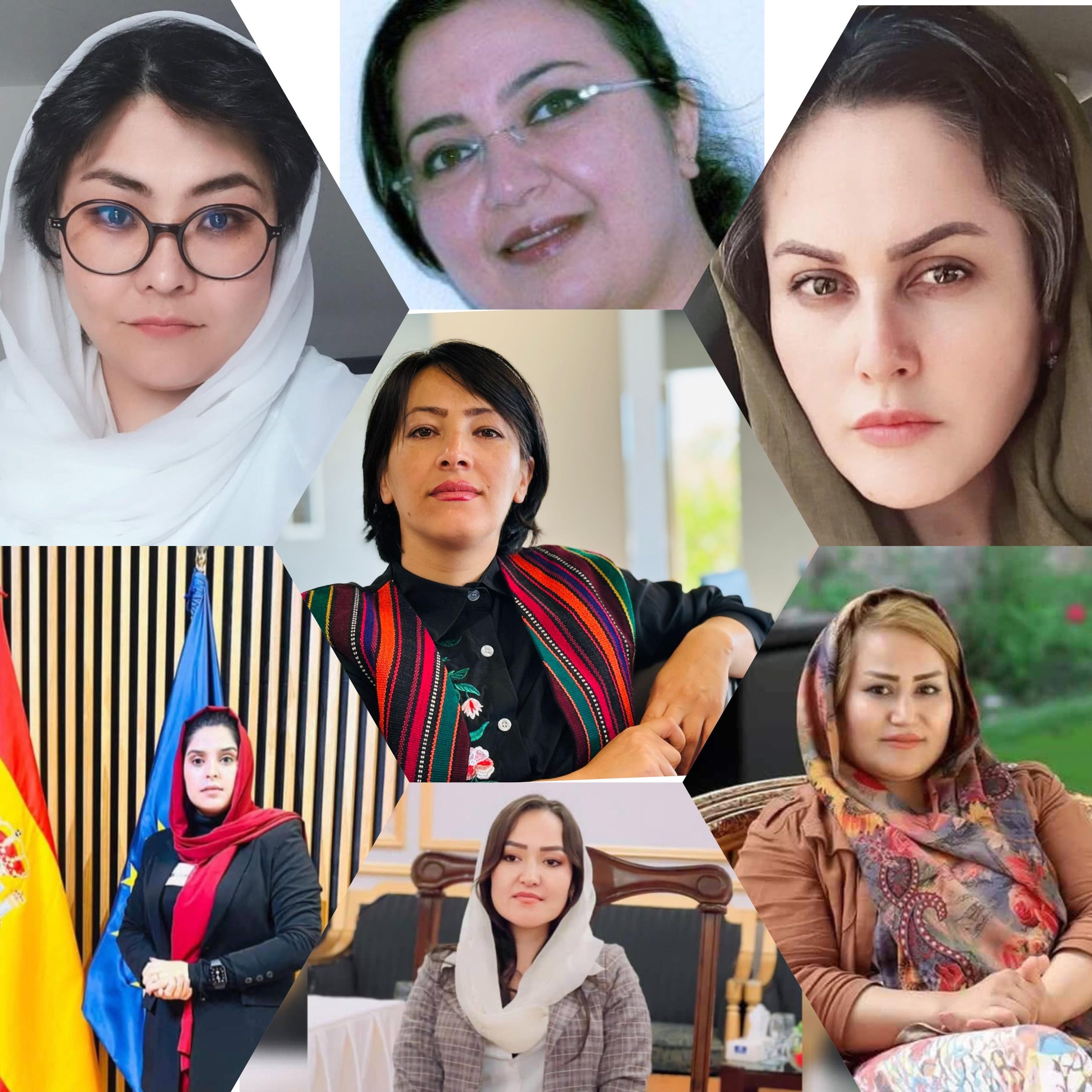
Five distinguished women activists and social experts shared their insights during the event, focusing on the following core areas:
* Arez Mohammadi (Sociologist and Kurdish Feminist): Taking a structural approach, Ms. Mohammadi analyzed the roots of online gender-based violence. She emphasized that the digital suppression of women activists is a transnational phenomenon utilized by patriarchal and authoritarian systems to push women back to the margins of society. She identified cross-border and intersectional solidarity among women activists as a vital counter-strategy.
* Mahsa Yaghoubi (Civil Society Activist): Ms. Yaghoubi drew on firsthand field experiences to discuss the realities of character assassination, doxxing, and security threats faced by civil society actors online. She stressed the urgent need to strengthen robust institutional support and protection mechanisms for digital defenders.
* Mursal Sayas (Human Rights Defender and Producer of 'Shokar' Podcast): Approaching the issue from a media perspective, Ms. Sayas highlighted the critical role of alternative, independent women-led media (such as podcasts and digital journalism hubs) in dismantling oppressive narratives and reclaiming digital public spaces for women.
* Nazifa Jalali (Executive Director of Dialogue Center and Board Member of HRD+): Focusing on organizational and legal frameworks, Ms. Jalali outlined the necessity of close coordination among human rights entities. She urged for the creation of secure databases to document online violence and advocated for continuous digital security training for women on the ground.
* Frouzan Amiri (Writer and Women’s Rights Activist): Ms. Amiri reflected on the power of documentation, narrative-building, and the pen as tools of defiance. She remarked that breaking the silence and writing in digital spaces is itself an essential act of resistance, asserting that online intimidation must not be allowed to silence the voices of female writers and analysts.
Proposed Strategies and Action Points
Concluding the panel, the speakers and participants agreed on a set of practical strategies to mitigate risks for women activists online:
1. Enhancing Digital Security Capacity: Organizing specialized technical workshops to equip frontline activists with advanced tools to secure their digital footprints and social media accounts.
2. Fostering Cyber Solidarity: Establishing a unified rapid-response network across social platforms to collectively stand against and counter-report coordinated cyberattacks or defamation campaigns targeting any individual activist.
3. Documentation and Strategic Advocacy: Conducting organized reporting to international tech platforms (such as Meta and X) to flag state-sponsored troll farms and suppressive cyber networks.
Movement's Statement:
The Afghanistan Women's Spontaneous Movement firmly believes that cyberspace is the direct extension of the streets of Kabul and other provinces for our cry for justice. We will never allow extremist factions to force us into retreat through the tool of online violence. Our resistance endures until the realization of freedom, equality, and justice.
Share: