By: Hamia Naderi
In today’s Afghanistan, violence against women is no longer occurring in the shadows. It has moved into public policy.
Over the past 5 years, the Taliban authorities have dismantled nearly every legal and social protection mechanism once available to Afghan women and girls. Schools have been closed to millions of girls. Women have been pushed out of universities, workplaces, public offices, media, and civic life. Shelters for survivors of domestic violence have disappeared. Independent institutions that once documented abuse or provided legal support no longer function.
For many Afghan women, there is now no safe authority to call, no court to seek justice from, and no place to escape.
The consequences are becoming increasingly visible.
Recent cases of murdered young women including teenage girls forced into early marriage have once again exposed the depth of the crisis inside Afghanistan. While each case carries its own story, together they reveal something larger than individual acts of brutality. They reveal a country where systematic discrimination, economic collapse, forced dependency, and institutionalized misogyny have created conditions in which violence against women flourishes with almost complete impunity.
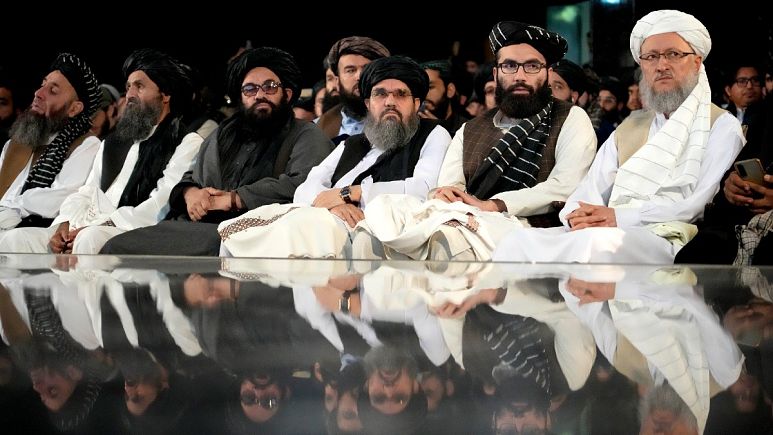
Under Taliban rule, women are not only excluded from public life; they are being stripped of legal personhood itself.
Since August 2021, decree after decree has restricted women’s movement, education, employment, dress, speech, and participation in society. In 2024, new morality regulations further intensified these restrictions by declaring a woman’s voice “awrah” something that should not be publicly heard. The enforcement of these rules increasingly relies on male guardianship structures, reinforcing women’s dependency on fathers, brothers, or husbands for survival.
This is not simply cultural conservatism. It is the political institutionalization of gender domination.
International organizations have repeatedly warned about the humanitarian and social consequences of these policies. According to United Nations agencies, millions of Afghan women and girls now face heightened risks of forced marriage, domestic violence, trafficking, psychological trauma, and severe poverty. Child marriage rates have sharply increased as economic desperation deepens and families lose access to education and income opportunities.
In many areas, girls are married before adulthood not because families believe it offers safety, but because survival itself has become uncertain.
Meanwhile, the justice system offers almost no protection. Mechanisms that once addressed violence against women have either been abolished or absorbed into institutions controlled entirely by Taliban authorities. Survivors who seek help often face stigma, intimidation, or pressure to remain silent. Reporting abuse can place women at even greater risk.
The climate of fear extends beyond Afghanistan’s borders.
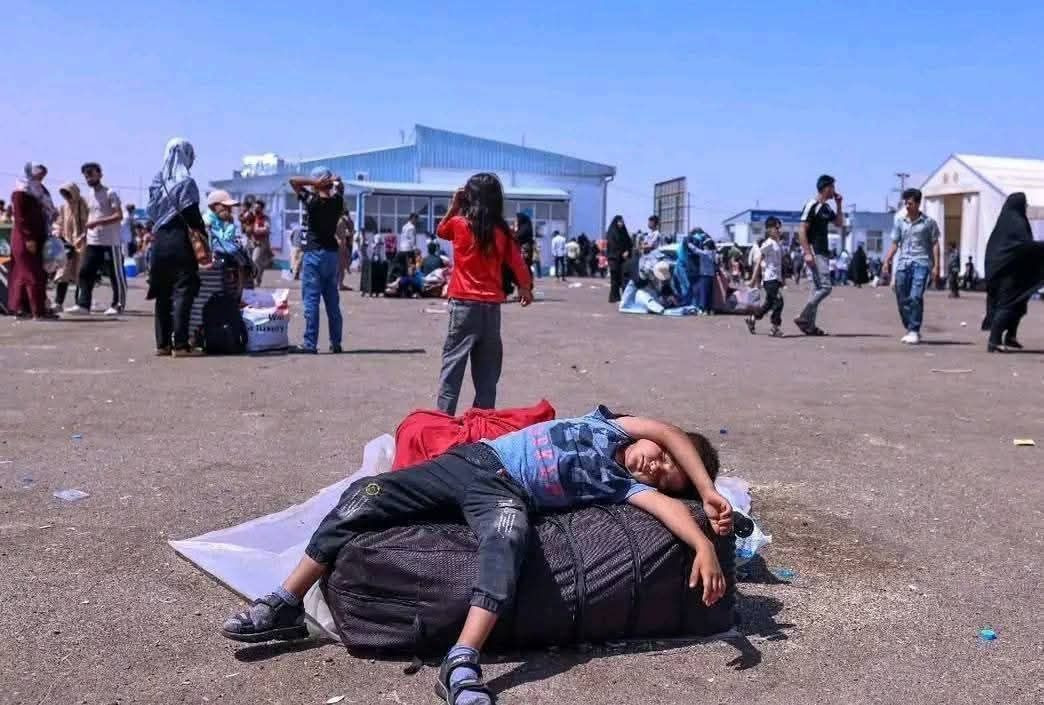
Thousands of Afghan women activists, journalists, students, and former public-sector workers who fled after the Taliban takeover continue to live in legal uncertainty in neighboring countries. Yet deportations and forced returns continue. Sending women back to Afghanistan under current conditions means returning many of them to a system where their rights, safety, and autonomy have effectively ceased to exist.
The global response has remained largely inadequate.
Statements of concern have been issued. International bodies have published reports and documented abuses. In 2025, the International Criminal Court announced arrest warrants against senior Taliban leaders for gender persecution as a crime against humanity. Human rights experts and United Nations officials have increasingly used the term “gender apartheid” to describe the situation.
But symbolic recognition alone does not protect women living under daily threat.
Afghan women do not simply need international sympathy. They need sustained political pressure, legal protection, humanitarian pathways, educational access, and meaningful accountability mechanisms. They need governments to stop treating women’s rights as a secondary issue in diplomatic negotiations with the Taliban.
Most importantly, they need the world to stop normalizing their erasure.
What is unfolding in Afghanistan is not an isolated women’s issue confined within national borders. It is one of the clearest contemporary examples of systematic gender-based oppression enforced through state power.
History will remember not only those responsible for these policies, but also those who watched them unfold and chose accommodation over action.
For millions of Afghan women and girls, the question is no longer whether their freedoms are under attack. The question is whether the world still considers those freedoms worth defending.
Share: