
According to these sources, there are concerns that due to internal disputes among Taliban factions over the downsizing of state institutions and the Taliban’s military structure, these dismissals may be selective and discriminatory.
Earlier, two informed Taliban sources in Kandahar told Amu that following the order from Taliban leader Hibatullah Akhundzada to cut 20% from the Taliban military’s structure and budget, tensions between the Kandahari Taliban faction and the Haqqani network had once again escalated.
According to detailed information from sources, both factions are trying to retain their own loyalists, even at the most minor levels of the military hierarchy.
To protect the security of those who spoke, the identities of these employees have been withheld.
Mohammad Asif Siddiqi, former deputy of the Afghan Senate, commented:
“There are three motives behind this: First, they want to eliminate women from governance under any pretext; second, they aim to remove anyone associated with the former republic; and third, they seek to sideline their opponents.”
Although sources say Akhundzada approved the dismissal of 90,000 positions in the Ministry of Education and initiated reductions in the Ministry of Interior to quell internal disagreements, he continues to insist on reducing the Taliban military force and its budget.
The Taliban have not issued an updated official response, though in the past, their spokesperson has denied any internal discord among the group.
Most recently, in early April, the Taliban's spokesperson confirmed in an interview with state-run television that reductions in both civilian and military government structures were underway, but did not provide further details.
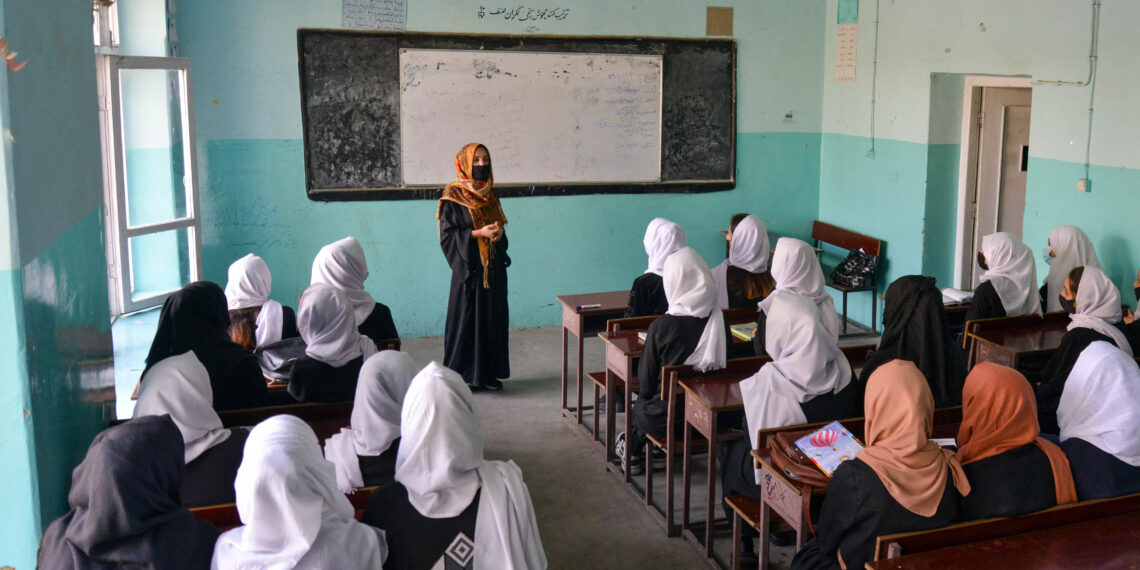
However, according to independent sources obtained by Amu, the largest cuts so far are being implemented in the Ministry of Education.
These cuts include:
Approximately 90,000 positions in the Ministry of Education
6,400 positions in the Ministry of Public Health
908 positions in the Taliban’s police command in Farah
222 positions in the Taliban’s Office of the Prime Minister
Rahel Talash, a human rights activist, said:
“Over the past four years, they have either trained their own loyalists to fill these positions or brought in like-minded individuals from other countries. Now, they plan to hand over key government posts to them.”
Although the Taliban claim that the restructuring is aimed at reducing bureaucratic inflation, some government employees warn that in the current economic climate, such measures could lead to a 'massive economic disaster'.