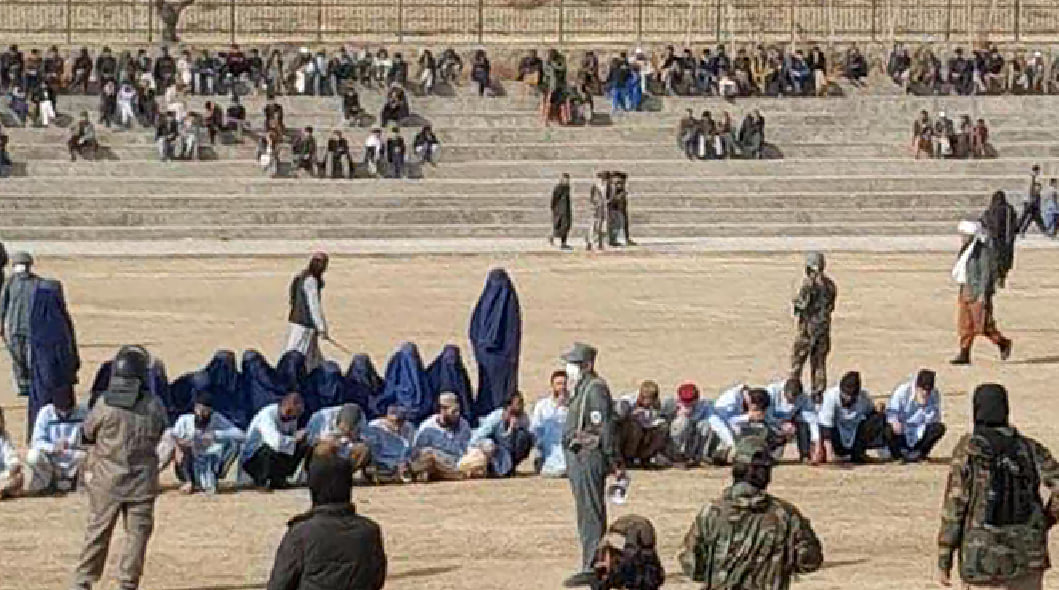
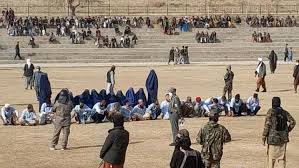

According to the report, at least 180 individuals, including men, women, and girls, were publicly flogged across various provinces during this period on charges such as "zina" (adultery) and extramarital relations. These punishments were carried out in public, often in the presence of local Taliban officials — a grim reminder of Afghanistan’s darkest eras.
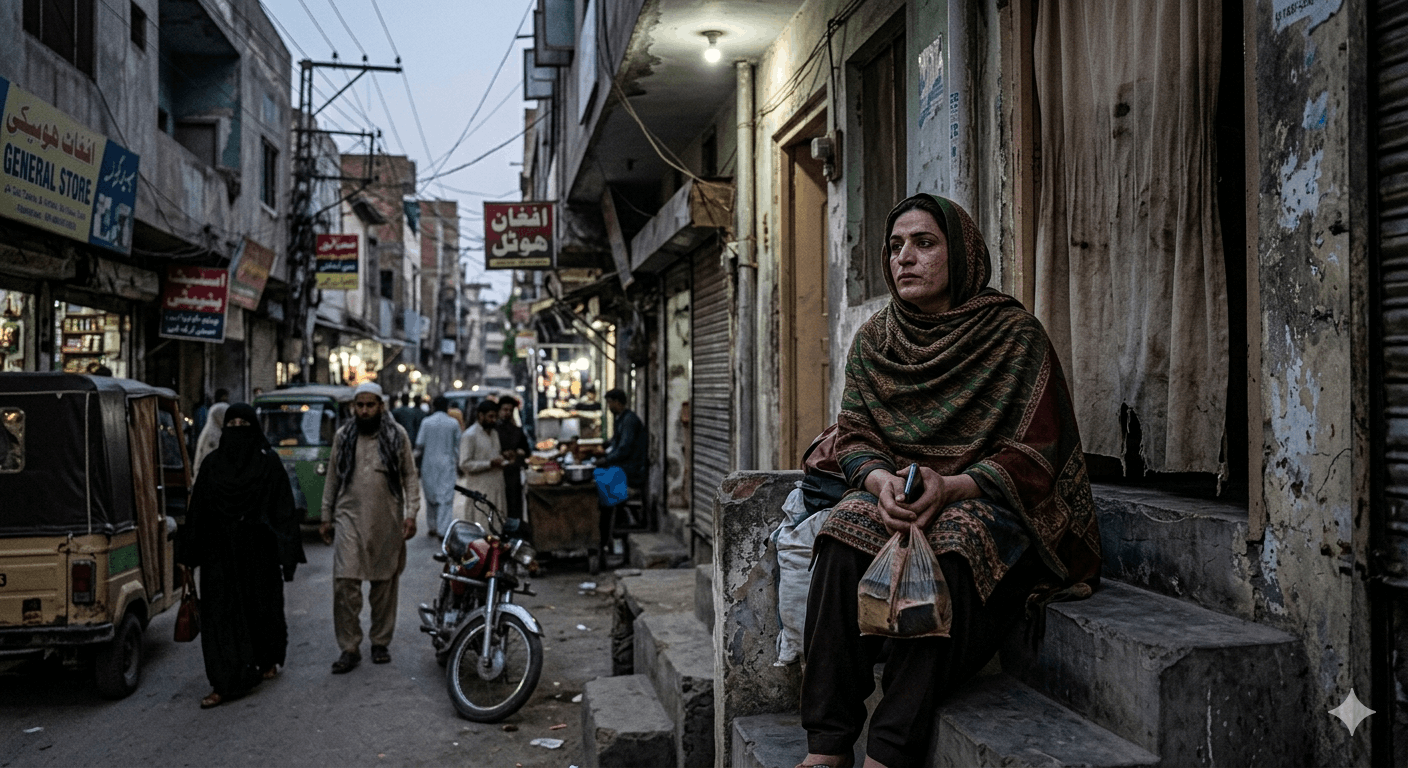
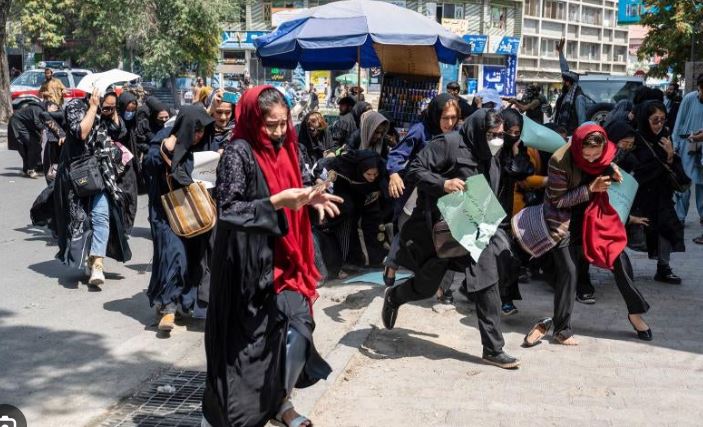
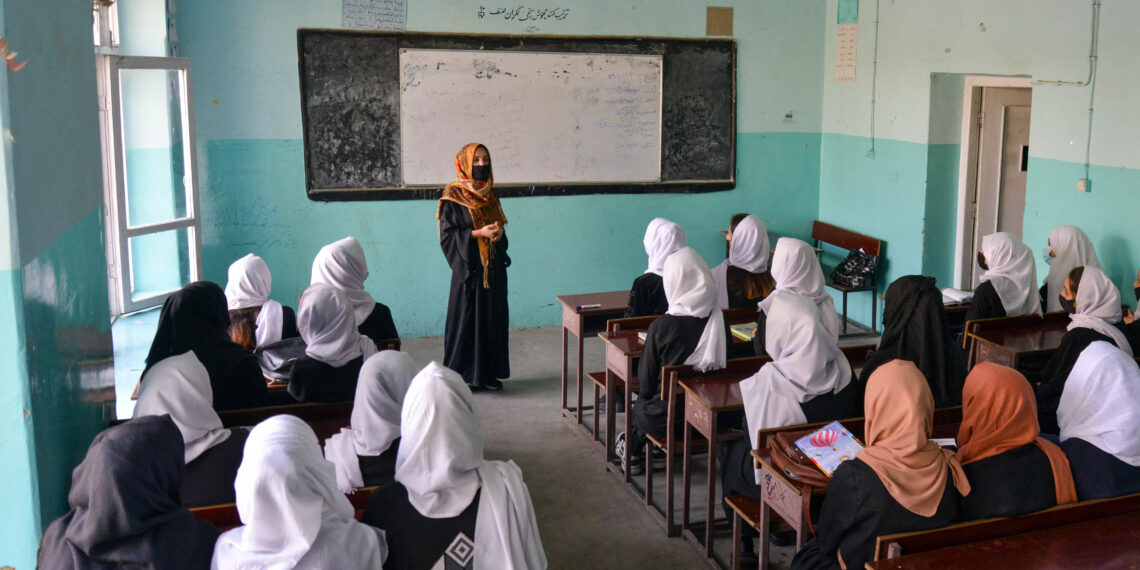
The situation for women continues to deteriorate. Over the past three months, girls have remained banned from attending school beyond grade six, and for women, appearing in public without a male guardian (mahram) has become nearly impossible. Documented reports indicate that morality police in provinces such as Ghazni, Herat, Kandahar, and Farah have barred women from entering clinics, markets, and government offices unless accompanied by a mahram. In some cases, home-based women’s beauty salons were raided and shut down without prior warning.
Gender-based violence also remains rampant. In March alone, 84 cases of domestic violence, forced marriage, and other forms of abuse against women were registered. Several families have reportedly been pressured to force their daughters into marriages, often under threat or coercion.
Alongside these social restrictions, Afghanistan has witnessed several deadly attacks. The Islamic State-Khorasan Province (ISKP), the Afghanistan Freedom Front, and unidentified groups have either claimed or been blamed for multiple bombings and suicide attacks. In one incident, a bomb blast near Kabul Bank in Kunduz killed four civilians and 15 Taliban members. UNAMA also reported that at least 42 civilians — mostly children — were killed or injured by landmines and unexploded ordnance left from previous wars.
During this period, at least six extrajudicial killings and 23 arbitrary arrests of former security personnel by Taliban authorities were documented. These incidents were often accompanied by torture and inhumane treatment, the report states.
Meanwhile, the Ismaili religious minority in Badakhshan province has come under severe pressure. At least 50 community members were forced to renounce their faith, with reports of night-time raids, detentions, and death threats.
UNAMA’s findings underscore that in today’s Afghanistan, systemic oppression of women, repression of minorities, targeted violence, and brutal punishments have become deeply entrenched. The human rights outlook for the country — at least in the short term — appears darker than ever.