
Author: Maryam Yazdanparast
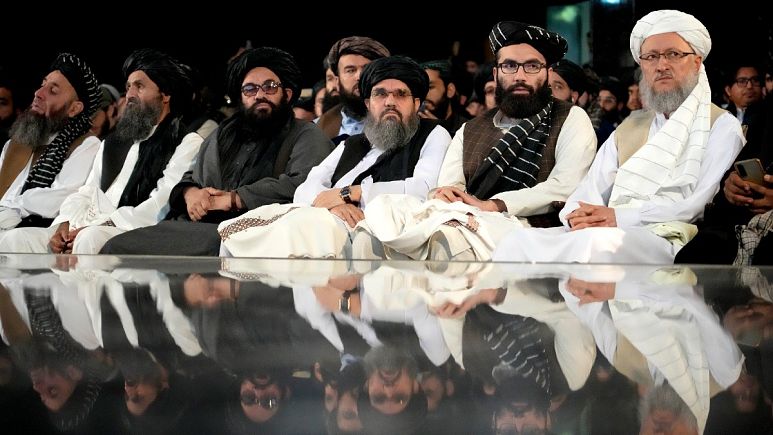
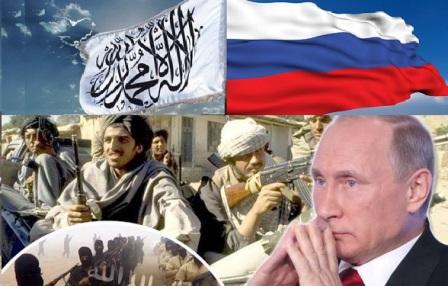
The Human Rights Watch (HRW) report, released on the eve of the fourth anniversary of the Taliban’s takeover of Afghanistan (14 Asad 1404, August 5, 2025), titled “Afghanistan in Taliban’s Chains and the Silencing of Women,” is a gut-wrenching exposé of a nation suffocating under the Taliban’s iron grip. It’s a searing indictment not just of the Taliban’s brutality but of the world’s shameful inaction. With a raw, human lens, this analysis dives into the report’s revelations—systematic oppression of women, a spiraling humanitarian crisis, and the global community’s failure to act—while asking the hard questions about complicity and accountability.
- Women in Chains: The Taliban’s War on Half the Population
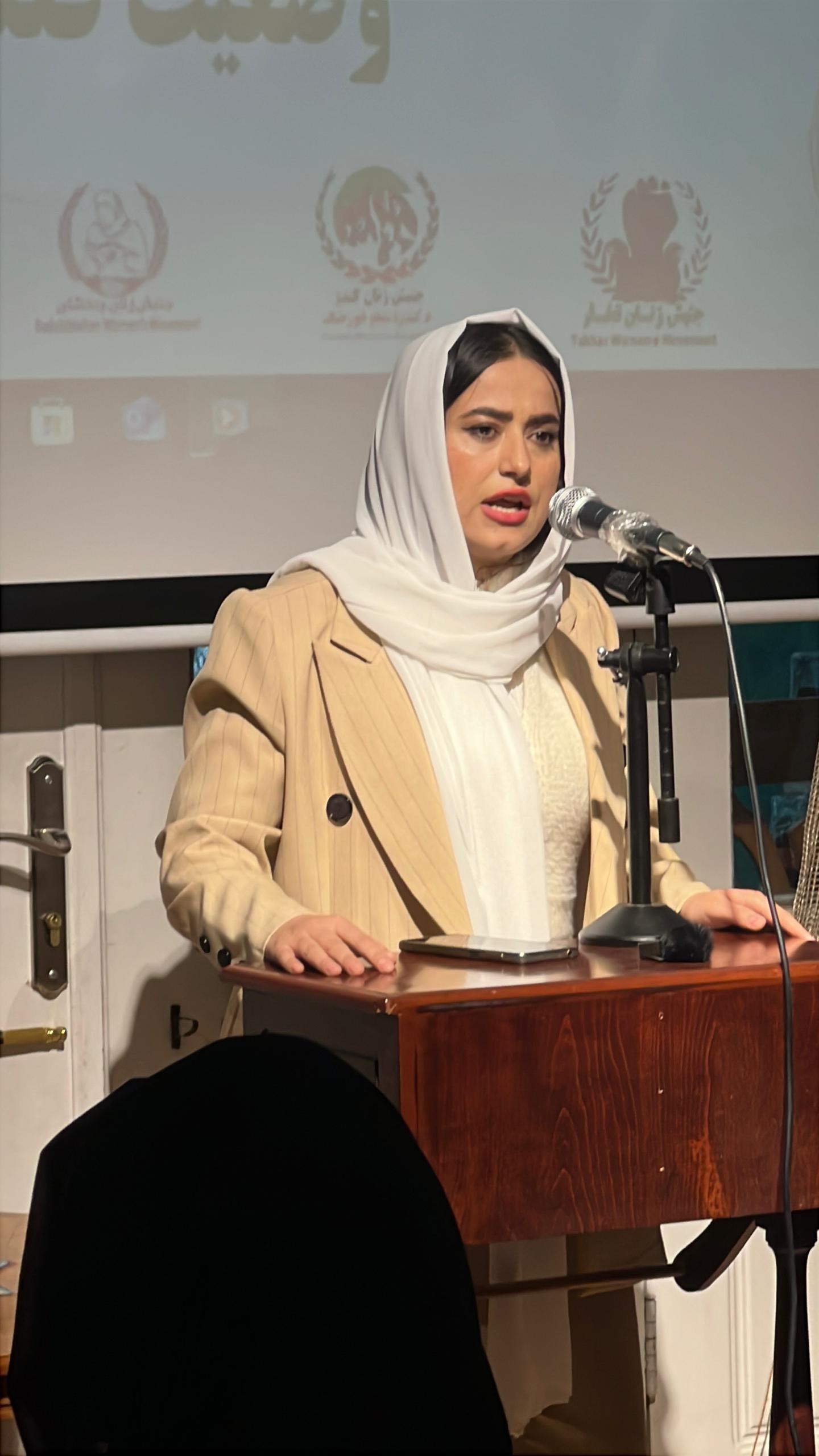
Imagine living in a country where half the population—women and girls—are erased from public life. The Taliban has banned girls from education beyond sixth grade, locked women out of universities and jobs, and enforced their draconian “Promotion of Virtue and Prevention of Vice” laws with chilling precision. Women can’t step outside without a male guardian, face phone checks, vehicle searches, and punishment for “crimes” like playing music or wearing “improper” clothing. This isn’t just oppression—it’s a deliberate annihilation of women’s existence.
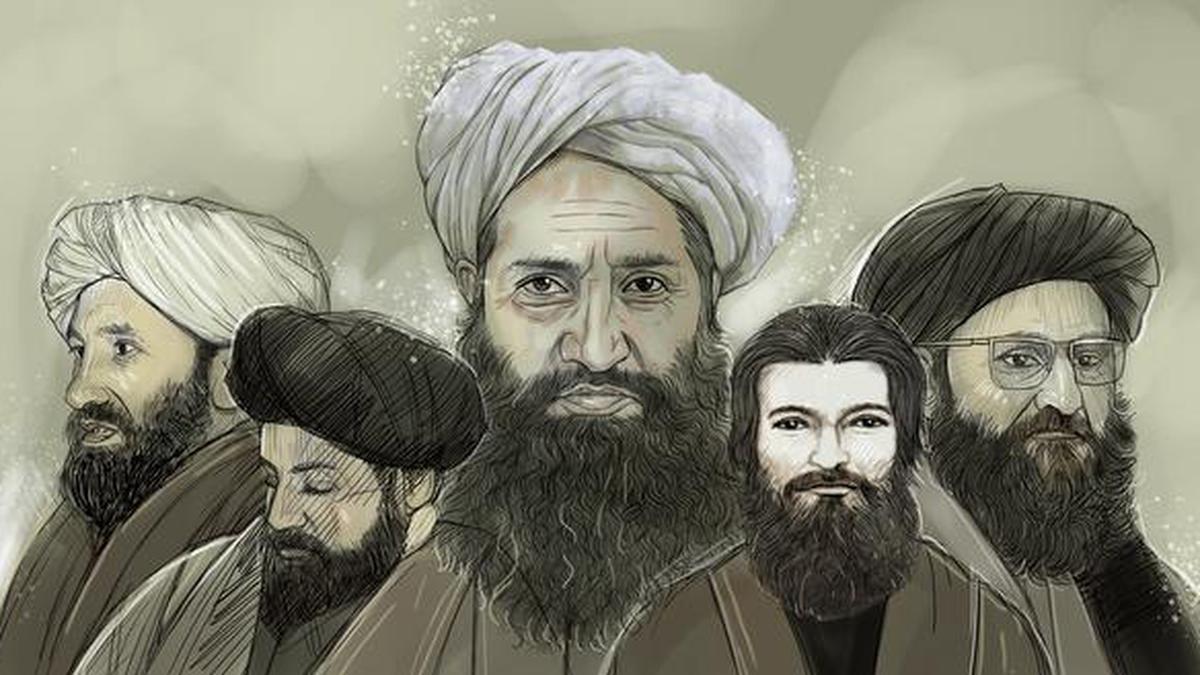
The report highlights the International Criminal Court’s (ICC) July 8, 2025, arrest warrants for Taliban leader Hibatullah Akhundzada and Supreme Court chief Abdul-Hakim Haqqani, charging them with gender-based persecution as a crime against humanity. But let’s be real: what do these warrants mean to a regime that spits on international law? They’re a symbolic jab, at best, while women remain trapped in a dystopian nightmare. Why hasn’t the world backed these warrants with real pressure? Is this just a hollow gesture to soothe global consciences?
- Humanitarian Catastrophe: The World’s Betrayal
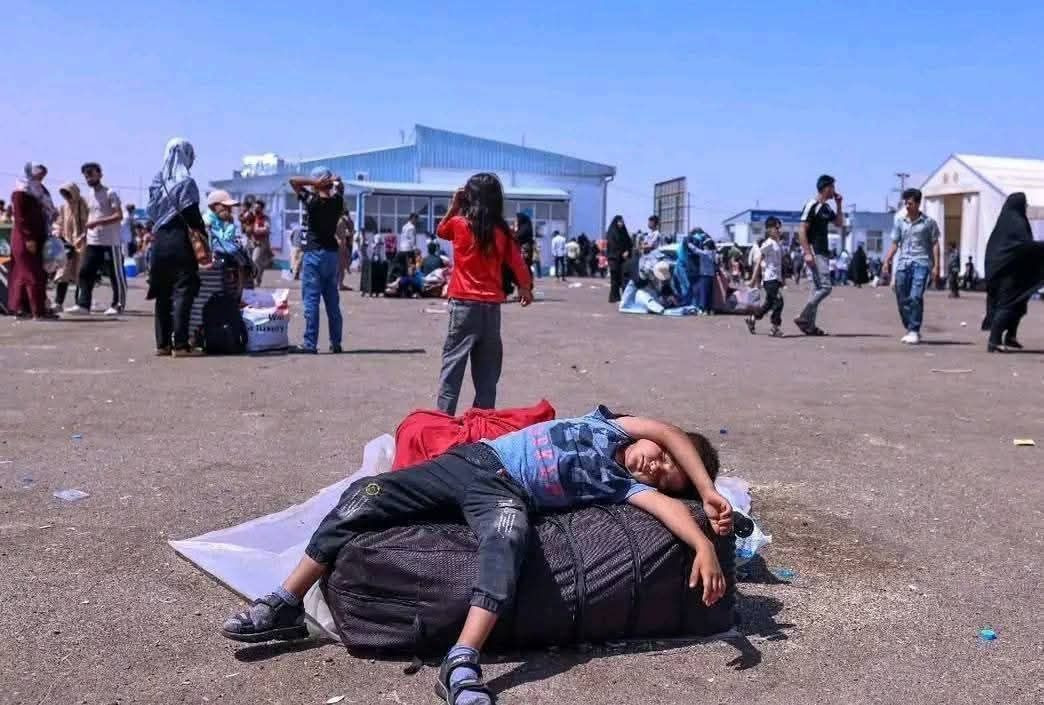
Afghanistan is teetering on the edge of collapse, and the world has all but abandoned it. The report paints a grim picture: 1.9 million Afghans deported from Iran and Pakistan, many of whom spent decades abroad, are now dumped back into a country with no jobs, no food, and no safety. Add to that the U.S. slashing 40% of humanitarian aid, leading to the closure of over 400 health clinics by July 2025. The result? Malnutrition is ravaging children, especially girls, and 23 million people—half the population—are desperate for food.
Then there’s the cruelty of deportations: Germany sent 81 Afghans back to Kabul on July 18, 2025, while Trump’s U.S. has scrapped temporary protections, gutted humanitarian visa programs, and banned Afghan travel altogether. These aren’t just policies—they’re death sentences for people fleeing Taliban persecution. When countries like Germany, Pakistan, and the U.S. deport Afghans to a warzone, how are they any less culpable than the Taliban?
- Silencing Dissent: The Death of Free Speech
The Taliban hasn’t just caged women—it’s strangled free expression. Media outlets face bans on showing human images or publishing anything deemed “un-Islamic,” a vague rule that’s a license for censorship. Journalists, fearing arrest, resort to self-censorship, while protests are crushed. The report makes it clear: without a free press, the Taliban’s crimes go undocumented, and the world stays blind. But where’s the outrage from nations that champion free speech? Are they too busy cozying up to the Taliban for trade deals or mineral rights to care?
- The World’s Failure: From Promises to Paralysis
HRW doesn’t mince words: the global community has utterly failed Afghanistan over the past four years. A coalition of Afghan and international rights groups in September 2024 demanded an independent mechanism to investigate Taliban crimes, but it’s still stuck in diplomatic limbo. The report urges the EU to push for this mechanism in the UN Human Rights Council’s September 2025 resolution. But let’s cut the nonsense—resolutions and meetings haven’t stopped a single lash or saved a single life. When the U.S. cuts aid, Germany deports refugees, and neighbors like Pakistan and Iran expel millions, these diplomatic charades feel like a cruel joke.
- A Shared Shame: Why We’re All to Blame
This report isn’t just about the Taliban’s crimes—it’s a damning mirror held up to the world’s complicity. The Taliban has built a prison state, chaining women, silencing journalists, and crushing hope. But they didn’t do it alone. The world’s silence, its slashed aid budgets, its deportations, and its political games have bolted the doors shut. As HRW researcher Fereshta Abbasi puts it, “The global consequences of the Taliban’s rule have become painfully clear.” Yet clarity means nothing without action. Why are we still watching this horror show unfold like it’s someone else’s problem?
What Needs to Happen
- Relentless Legal Pressure: The ICC and global institutions must be backed with real sanctions and diplomatic muscle to hold Taliban leaders accountable, even if enforcement is tough.
- Revive Humanitarian Aid: Wealthy nations, especially the U.S., need to restore funding and create safe channels to deliver food and healthcare, prioritizing women and children.
- Stop Deportations: No country should send Afghans back to a death trap. Humanitarian visa programs must be expanded, not gutted.
- Amplify Voices: Support independent Afghan media and activists to expose Taliban crimes and keep the world’s eyes on Afghanistan.
Final Word:
The HRW report is a scream into the void—a desperate plea for a world that’s turned its back on Afghanistan. The Taliban has chained women, silenced dissent, and plunged the country into despair. But the world, with its apathy, its cut aid, and its deportations, has tightened those chains. Afghanistan isn’t just a tragedy—it’s a stain on our collective conscience. If we don’t act now, we’re not just failing Afghans; we’re failing humanity itself. The question is: will we keep writing reports, or will we finally do something?