Author: Amina Farhadi – Afghan Woman and Social Commentator
As an Afghan woman, I have always seen life here as layered and complex. We live in a place where long-standing traditions, social restrictions, and the desire to participate actively in society all coexist. Every day, we navigate these three forces, each bringing its own challenges and opportunities.
Looking around me, I see women who continue to carry the traditional roles of caring for the home and raising children, alongside women who courageously strive to step into social and professional spheres. Our lives usually unfold somewhere between these two paths, where limitations and opportunities intersect, and we must find our own way forward every day.
Afghanistan has always been a deeply traditional society. Many families believe women’s primary role is within the home. Yet, in recent years, gradual change has begun: more girls and women are pursuing education and engaging in social life, shaping their roles in ways that were once unimaginable. For us, learning and working are not merely personal choices—they are ways to claim our place in society.
Even with these advances, significant barriers remain. Cultural restrictions and traditional concerns still limit women’s mobility, and decades of economic hardship and instability have sometimes pushed girls’ education and women’s participation down the list of priorities.
Despite these obstacles, the courage and determination of Afghan women cannot be ignored. In cities and even in remote areas, I see girls and women who continue to study and engage socially despite the difficulties. Their contributions in education, health, culture, and social work, though limited in number, are clear signs of gradual societal change.
The reality we face is neither entirely restricted nor completely free. We live in a tension between tradition and our aspirations for social participation, striving every day to create paths that honor our cultural values while expanding opportunities.
Education is key to this journey. When girls and women gain access to learning and growth, the impact extends beyond their personal lives—it touches families and ultimately the wider community. Meaningful social change is always gradual, built through dialogue, experience, and perseverance.
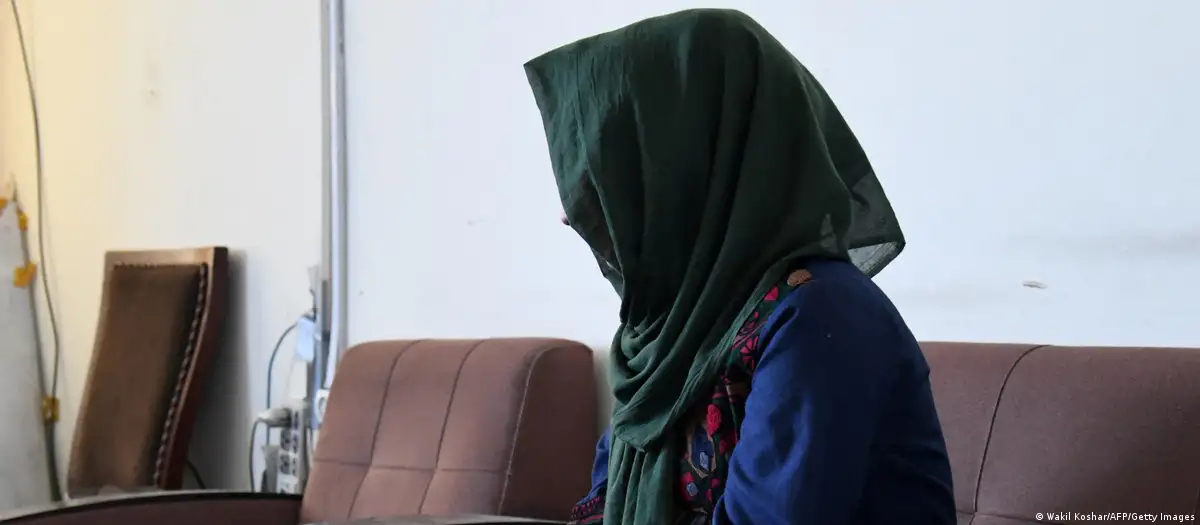
Today, Afghan women stand between the past and the future, navigating imposed limitations while holding onto the hope of active participation in society. Our story is one of resilience, hope, and the search for balance between tradition and change.
Share: