By Maryam Azarakhsh
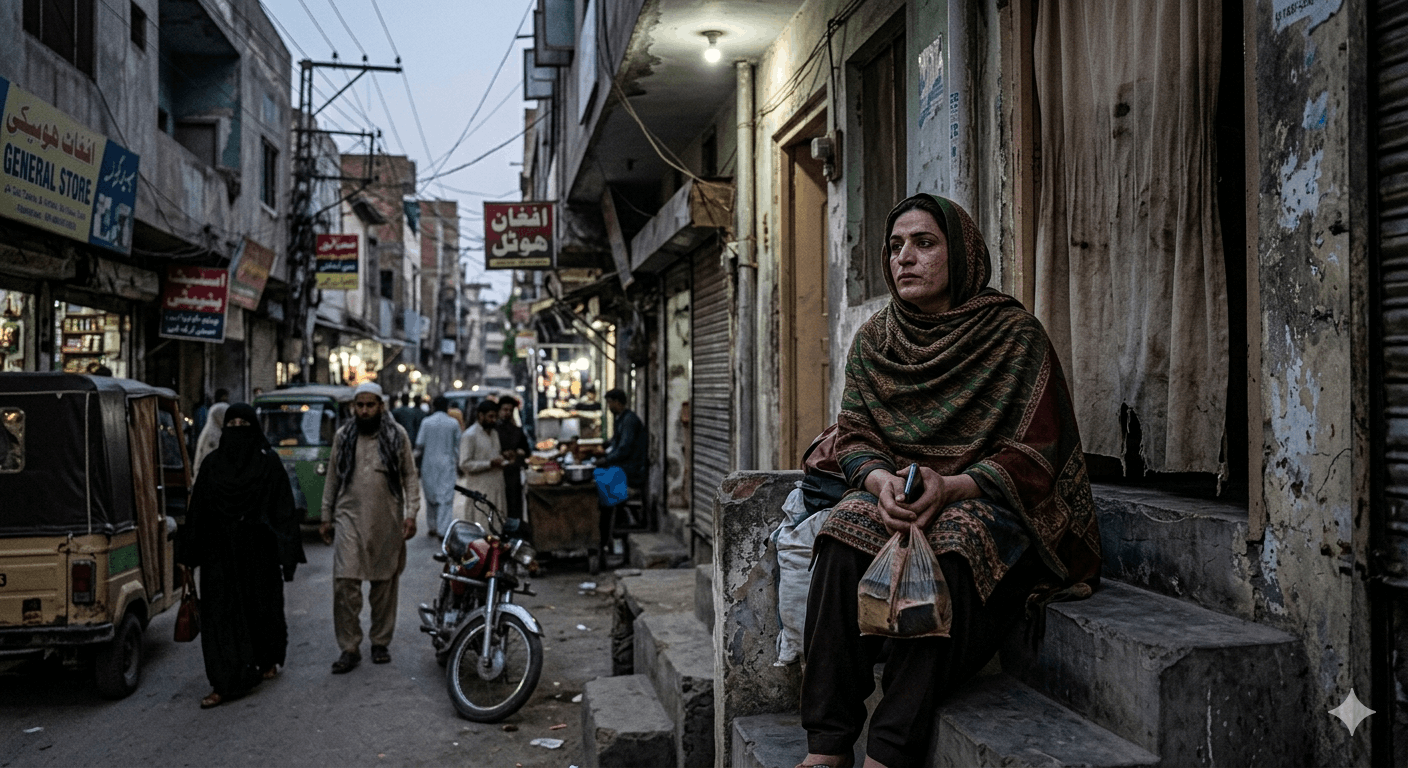
FAIZABAD, Afghanistan – In a narrow, winding alleyway in the rugged highlands of Faizabad, the wooden gate of an old house creaks open and shut several times a day. There are no signs or plaques to mark the location. Yet, inside, a group of teenage girls—clutching hidden notebooks—hurry across the courtyard toward a secluded guest room.
In the shadows of the Hindu Kush mountains, this ordinary room has become a sanctuary of defiance. Since the Taliban shuttered schools, universities, and private language centers for girls, education has moved underground. Here, in the heart of Badakhshan province, a 22-year-old woman is keeping the flame of learning alive.
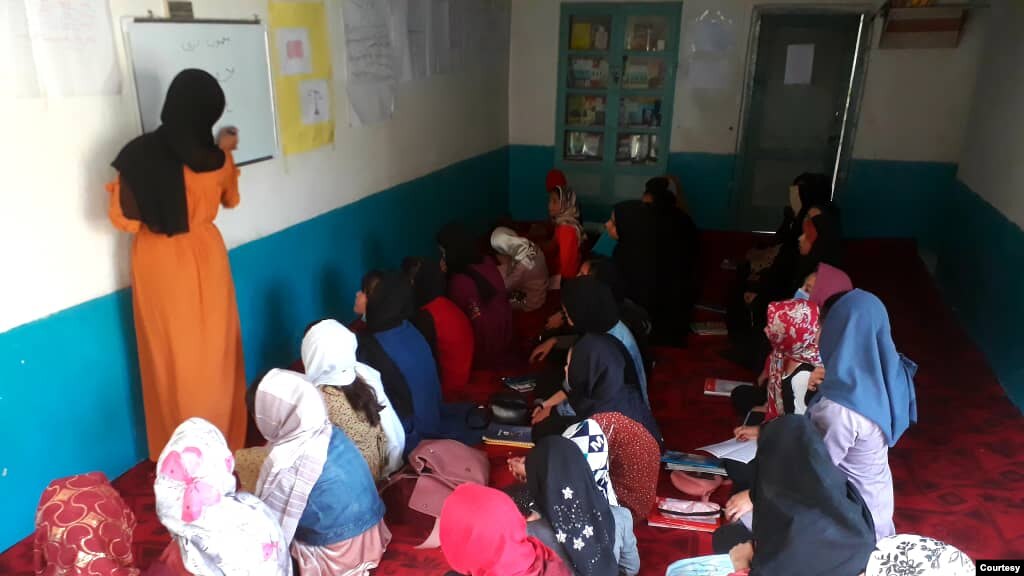
Sahar [a pseudonym] is the teacher of this secret class. A former second-year university student whose own dreams of an English Literature degree were cut short, she now spends her days teaching the language to those left behind. Her "classroom" is modest: a few cushions on a carpeted floor, a small whiteboard leaning against a mud wall, and a shelf of well-worn books.
> "When the university gates were locked, I felt the weight of the mountains crushing me," Sahar says. "I spent months in depression, looking at my textbooks gathering dust. I realized that if I stayed silent, the darkness would win."
A Journey Through Hardship
Sahar’s path has been marked by more than just political barriers. Living in one of Afghanistan’s most remote and impoverished provinces, she faced severe economic hardship. To fund her own advanced English studies before the bans, she sold traditional Badakhshani embroidery.
Personal tragedy also struck when she lost her brother, leaving her to help care for her ailing mother. Despite the grief and the biting cold of Badakhshan’s winters, she never stopped studying. "I knew I needed a skill that could serve as a bridge—for me and for the girls of my country," she explains.
Education Under the Radar
What started with two neighbor girls has grown into a group of fifteen students. To avoid drawing attention from local authorities, the girls arrive in small groups at staggered times. Inside, the atmosphere is one of intense focus mixed with the soft hum of whispered recitations.
"On the first day, my students sat on the floor with their blank notebooks, their eyes full of both fear and hunger for knowledge," Sahar recalls. "When I wrote the alphabet on the board, one girl whispered, 'Here, I feel like I still exist.' That moment gave me the courage to continue."
The curriculum focuses on practical English—vocabulary, basic grammar, and conversation. Sahar gently corrects their pronunciation, reminding them, "Don't be afraid to make mistakes. You are here to learn, and there is no room for fear in this room."
Resilience in the Cold
The logistics are a constant struggle. In the harsh winters of northeast Afghanistan, a small wood-burning stove provides the only warmth. Sahar charges a nominal fee to cover the cost of ink and paper, though she waives it for those who truly cannot afford it.
Every evening, after the students depart and the whiteboard is wiped clean to hide any evidence of the day's lesson, Sahar returns to her own studies. By the light of a battery-powered lamp, she prepares for international English proficiency exams, dreaming of a TOEFL score that might one day take her to a master's program abroad.
As the sun sets behind the peaks of Badakhshan, Sahar locks the guest room and steps back into the silent alley. The classroom returns to its disguise as a normal home, but the seeds of resilience have already been sown.
"We are not finished," she says firmly. "As long as there is a pen and a student willing to listen, education will find a way."
Share: