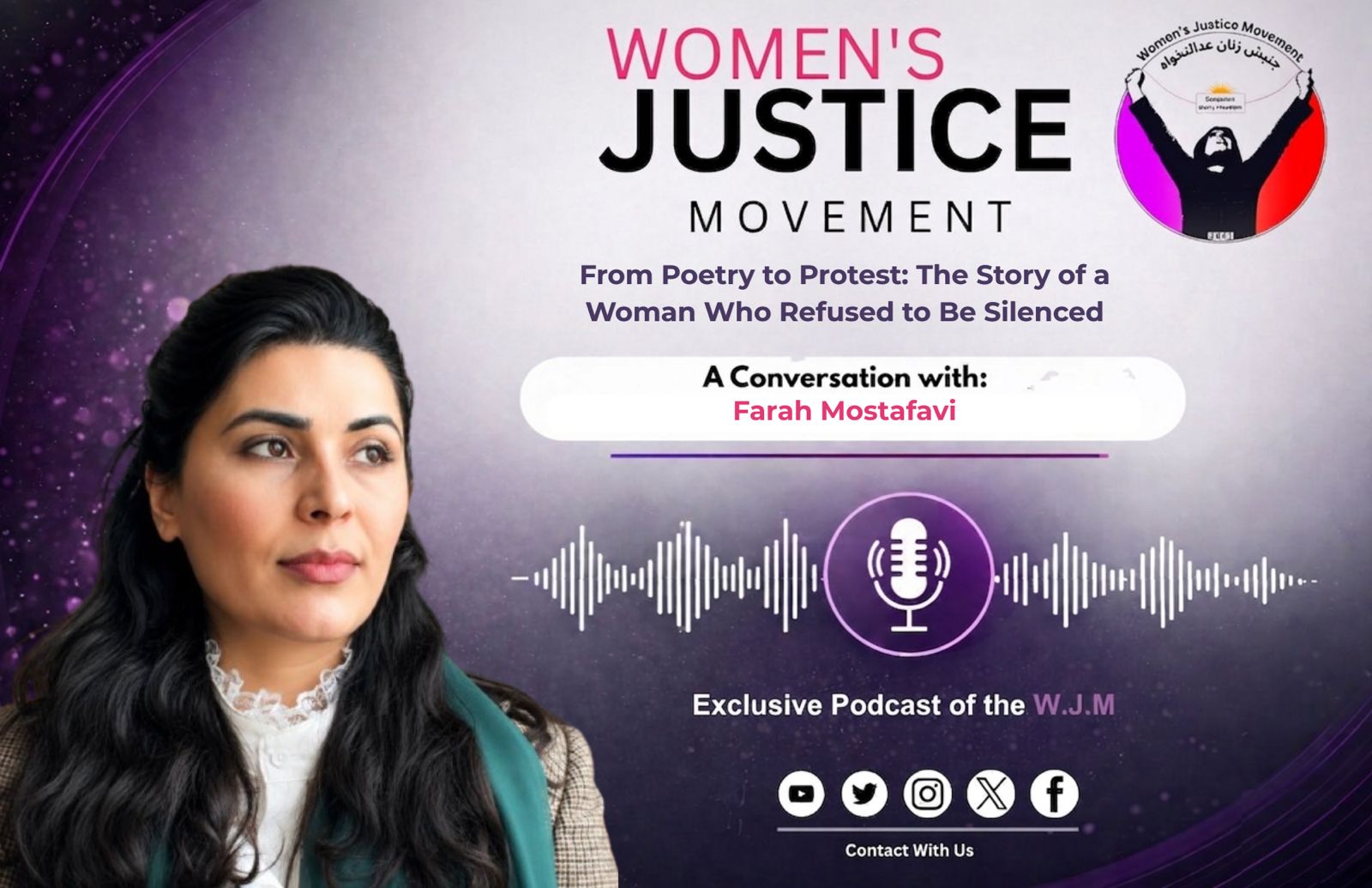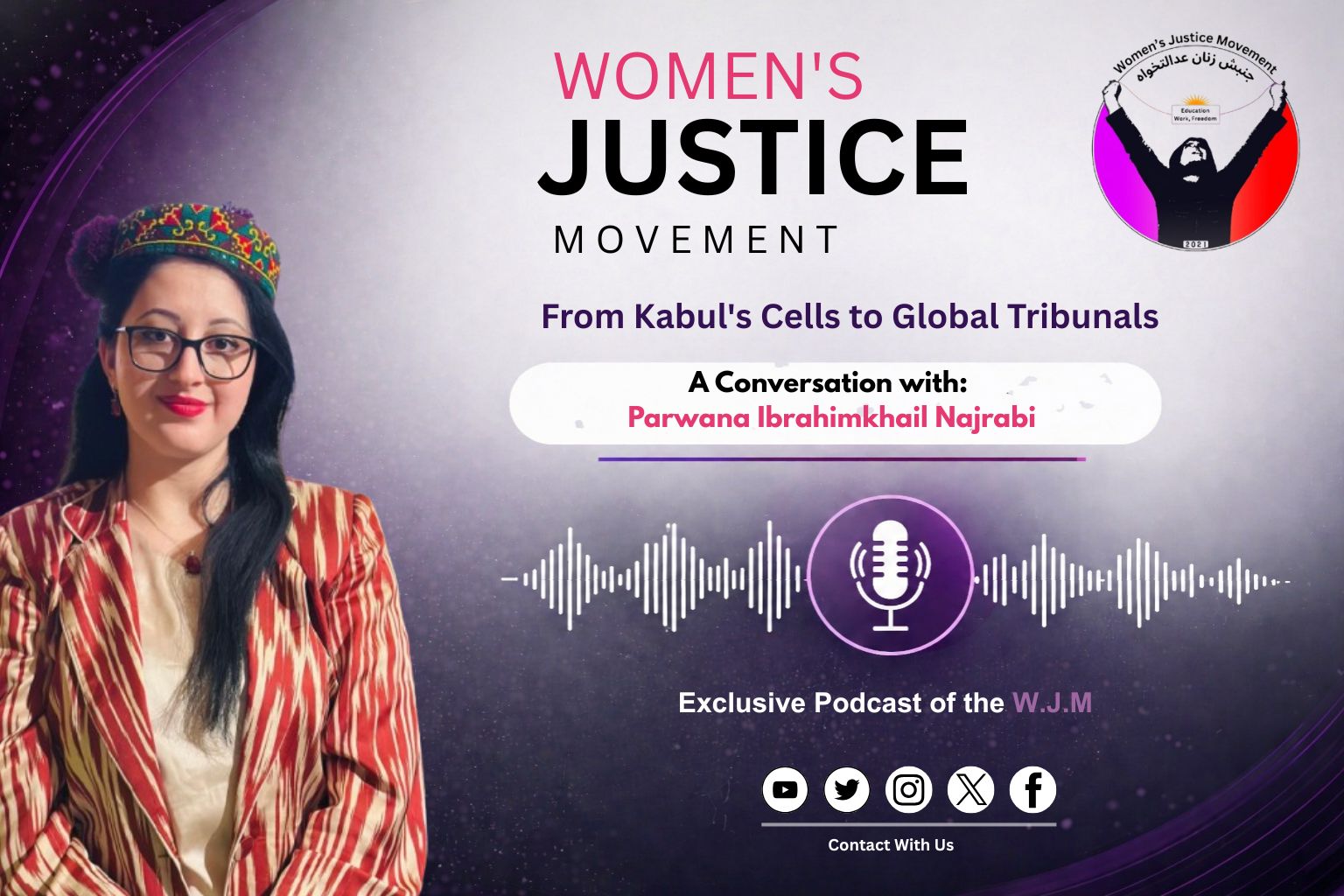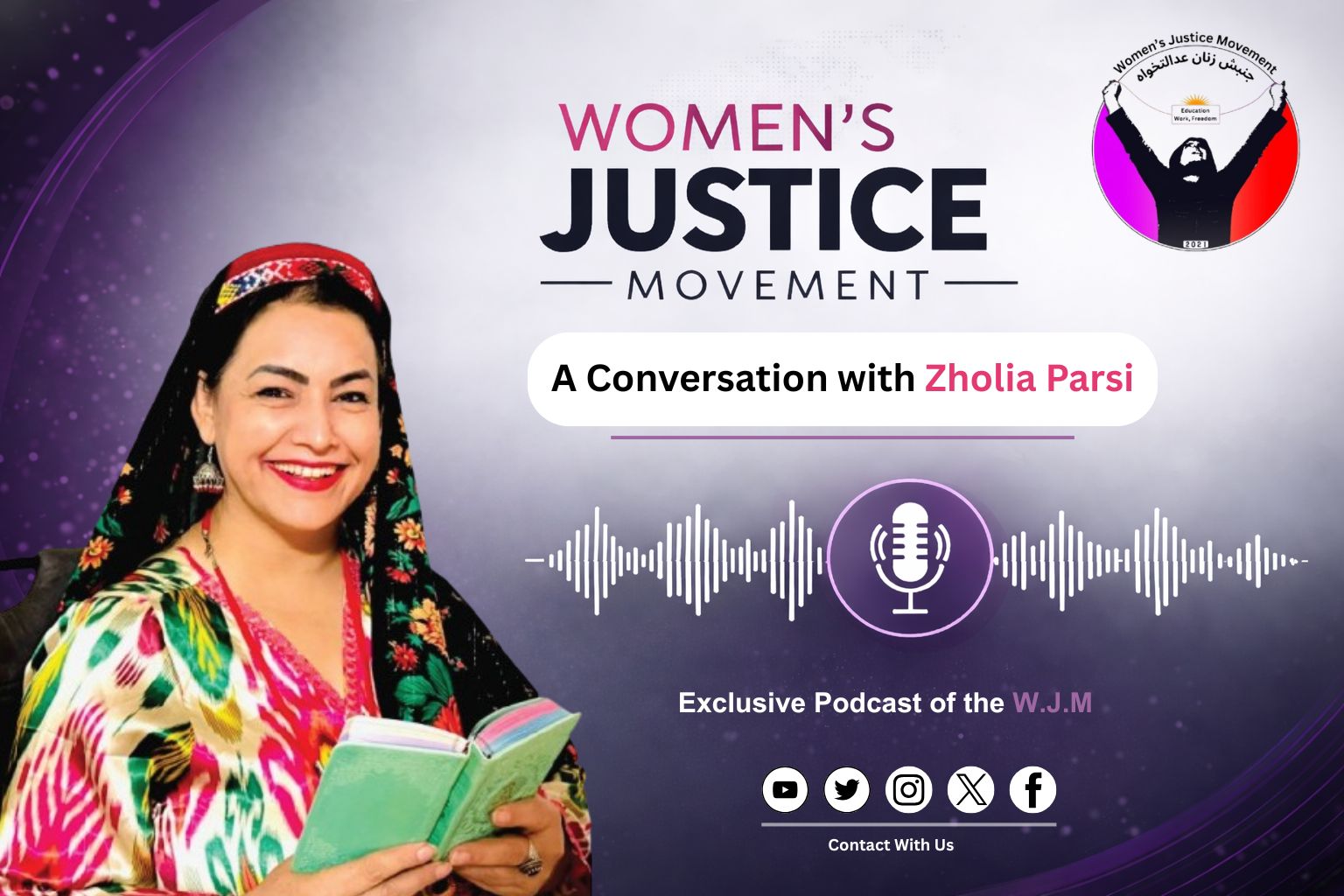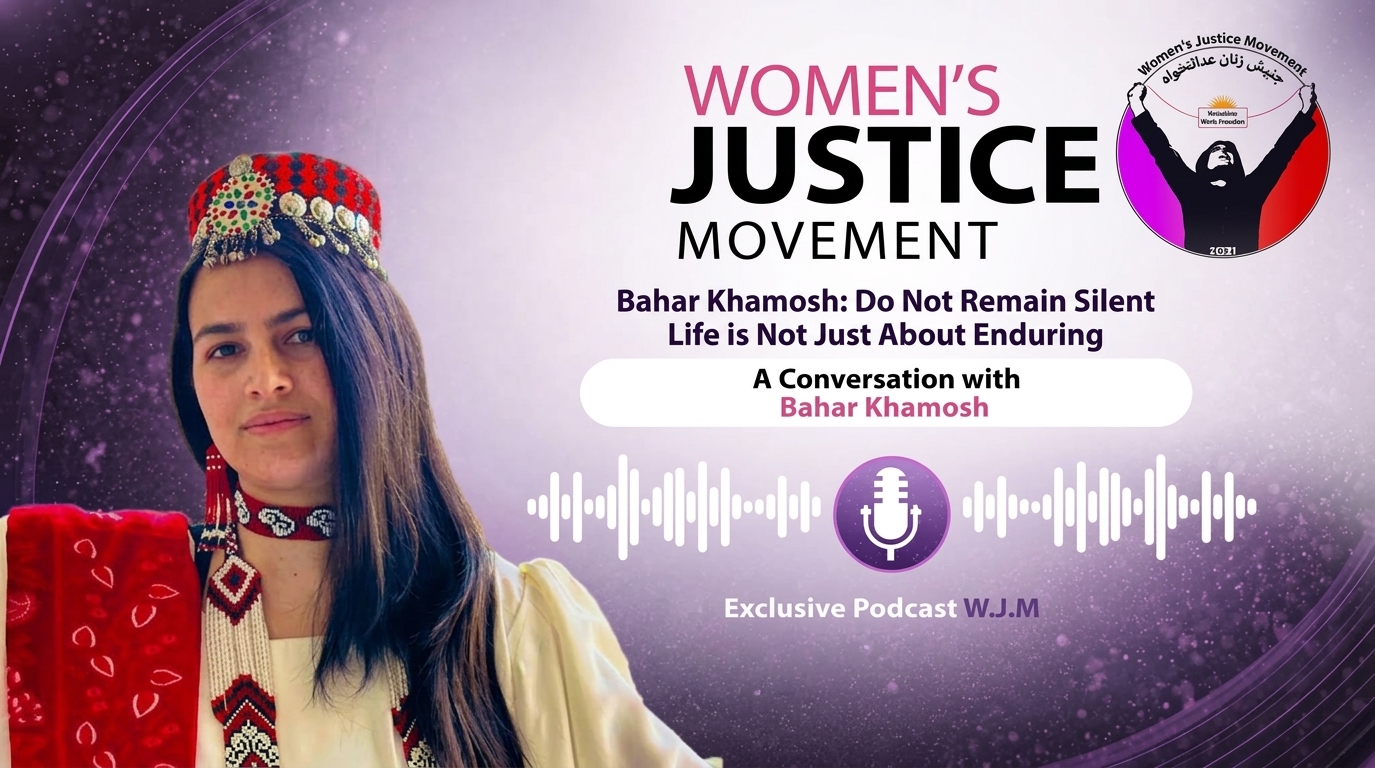
International Women’s Day arrives this year as Afghanistan approaches nearly five years under Taliban rule—years marked by systematic repression, exclusion, and the erasure of women from public life. While women across many parts of the world commemorate progress and achievements on March 8, women in Afghanistan continue to struggle for the most basic human rights: the right to education, the right to work, the right to participate in society, and the right to live with dignity.
Over the past years, the Taliban have issued numerous decrees that systematically remove women from educational, economic, social, and political life. Afghanistan has become the only country in the world where girls are banned from secondary school and university, and where millions of women are prohibited from working or participating freely in public life. What is unfolding in Afghanistan today represents not only a grave violation of human rights, but a clear case of gender apartheid in the twenty-first century.
Despite these unprecedented restrictions, Afghan women have not surrendered. From the streets of Kabul, Herat, and other cities to advocacy in exile and across global platforms, courageous women have continued to raise their voices—often at the cost of intimidation, detention, and persecution. The resistance of Afghan women has become a powerful symbol of the global struggle for freedom, dignity, and justice.
The Women’s Justice Movement believes that silence in the face of this injustice amounts to complicity. We call on the international community, the United Nations, human rights organizations, and governments around the world to take a clear and principled stand against gender apartheid in Afghanistan and to recognize it as a crime against humanity.
We also emphasize that no political system in Afghanistan can be legitimate or sustainable without the equal participation of women. The exclusion of women from society is not only a violation of the rights of half the population—it is a threat to the future, stability, and development of the entire country.
On this day, we express our solidarity with all Afghan women: with the girls who are denied education, the women who have lost their livelihoods, the activists who have endured imprisonment and exile, and the mothers who continue to nurture hope for a better future for their children.
For the women of Afghanistan, March 8 is not merely a symbolic day—it is a reaffirmation of our commitment to continue the struggle for freedom, justice, and equality. We believe that no force can silence women who stand for dignity and the future of their society.
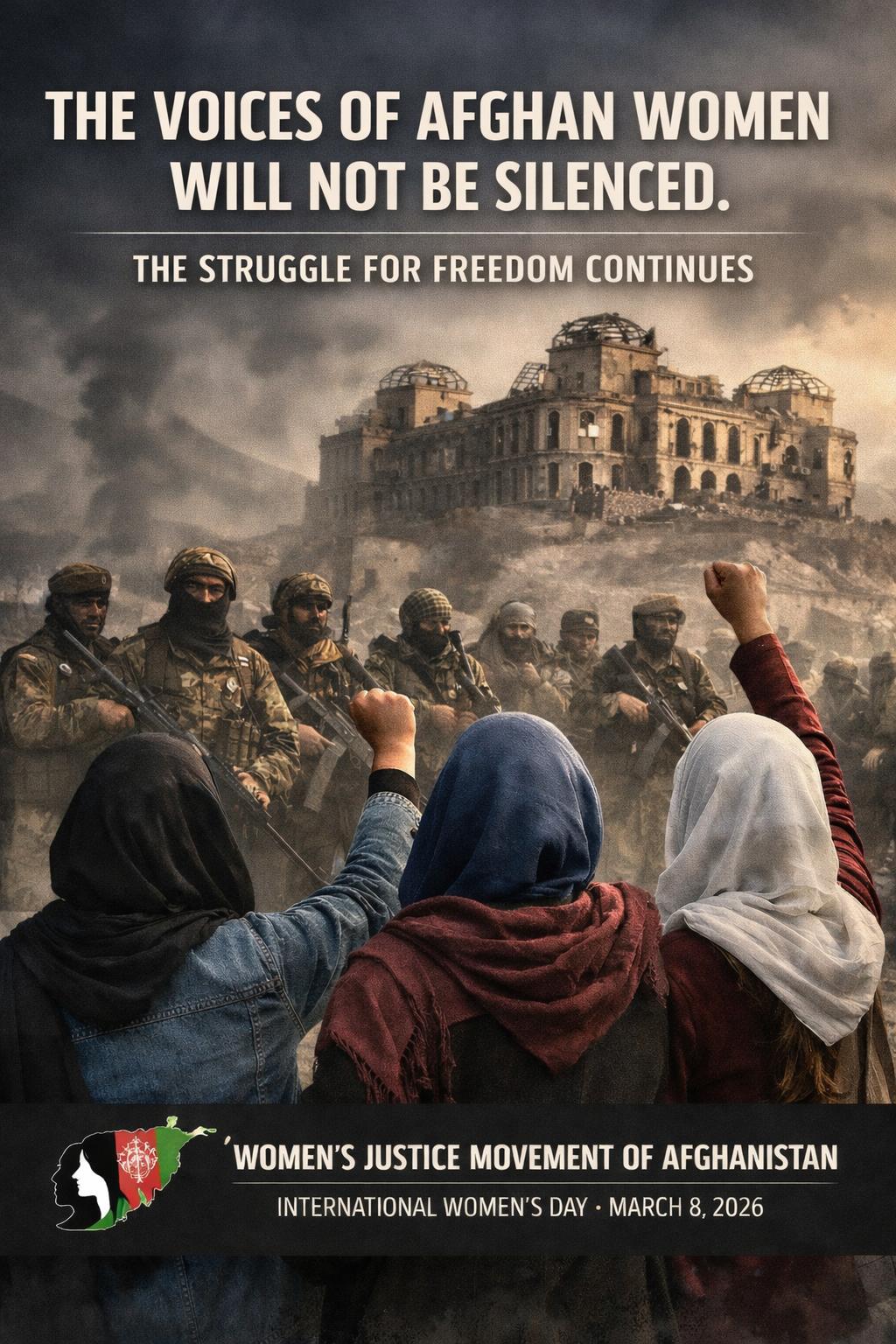
The voices of Afghan women will not be silenced.
The struggle for freedom continues.
Women’s Justice Movement
March 8, 2026
Share: