
✍️ By: Hamia Naderi
Since reclaiming power, the Taliban have not only stripped Afghan women of their basic rights but have also systematically dismantled public life itself — leaving families trapped indoors, isolated, and devoid of joy.
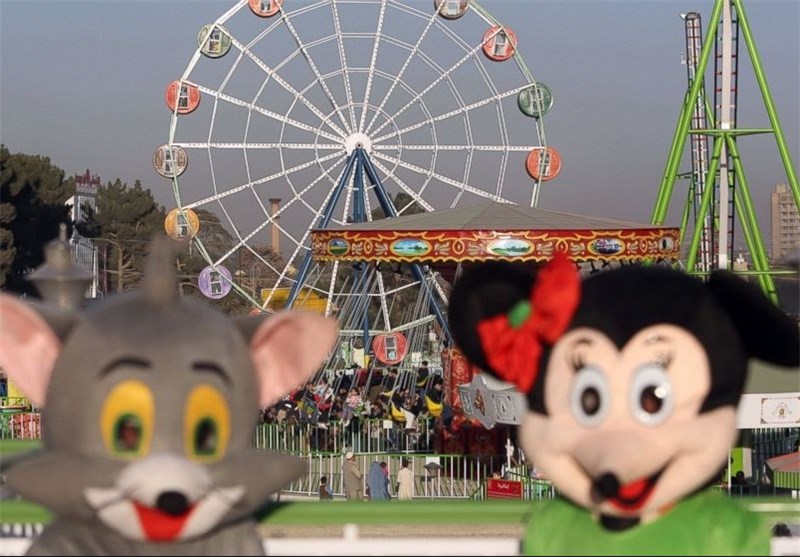
In Kabul, residents describe the city as suffocating under the weight of bans, neglect, and fear. With parks either closed to women or too far to reach, and no investment in public spaces, even the simplest pleasures — like a family stroll in a park — have become impossible.
"It feels like we’re being punished simply for wanting to live," says Farid, a father of three. Before the bans, he would take his family to the park every Friday, sharing laughter, tea, and a rare sense of freedom. "Now, if I go alone, it’s meaningless. Parks without families are just empty spaces. There’s no life left in them."
Under Taliban edicts, women are barred from parks, cultural venues, gyms, and even some streets if unaccompanied. Buildings continue to rise across Kabul — concrete stacked upon concrete — yet no green spaces or playgrounds accompany them.
"We live in a city of walls with no air to breathe," says Laila, a young woman battling a chronic back condition. Her doctor advised daily walks in the fresh air to alleviate her pain. But she says the Taliban made even that impossible:
"I tried to go to the park early in the morning, but guards stopped me. Once I went with my sister, and they yelled at us so viciously I never dared return."
The consequences of these restrictions are devastating and not limited to women. Families have stopped gathering, social ties are fraying, and young people are increasingly isolated — left to idle on street corners or retreat into their phones.
Omid, another Kabul resident, explains:
"Without parks, young people are stuck online all day. It hurts their eyes, their minds, their relationships. Parks aren’t just grass and benches; they’re a refuge. Without that refuge, we’re suffocating."
Women feel this erasure most acutely. Shabnam, who hasn’t visited a park since before the Taliban’s takeover, says:
"We’re treated as if we’re not even human — like we don’t deserve to smile or breathe fresh air. Staying home all day is killing me. My body aches, my blood pressure is high. The doctor told me to walk more, but how? Where? We are caged."
Psychologists warn that the collapse of public spaces is fueling a mental health crisis. Young people, they say, have a natural need for movement, social interaction, and connection with nature. Denying them these opportunities fosters depression, anxiety, and even violence.
"We see clients overwhelmed with stress," says Roya Ahmadi, a psychologist in Kabul. "But we can’t even suggest they go for a walk in a park because there’s nowhere safe to go. This drives young people to harmful escapes — smoking houses, online addiction — and deepens their despair."
Even when the Taliban boast about refurbishing parks, like the planned renovation of Shahr-e-Naw Park, their policies ensure these spaces remain inaccessible to half the population.
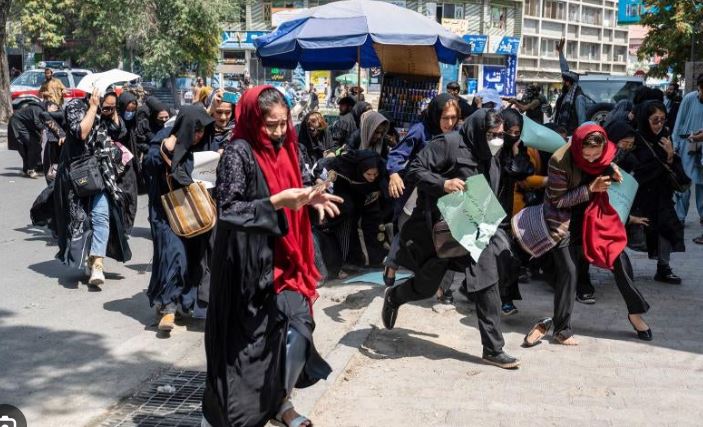
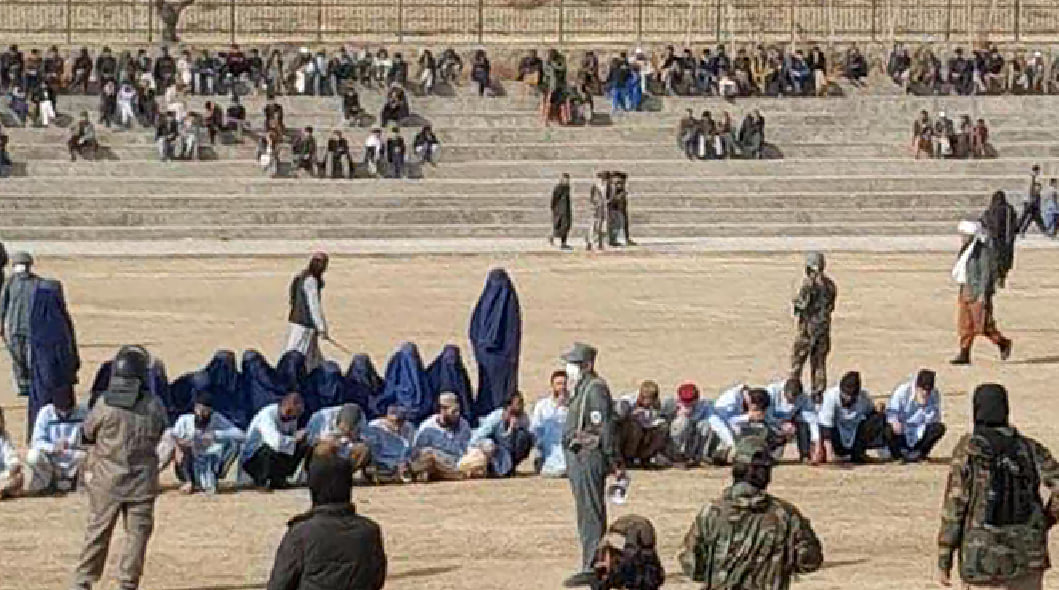
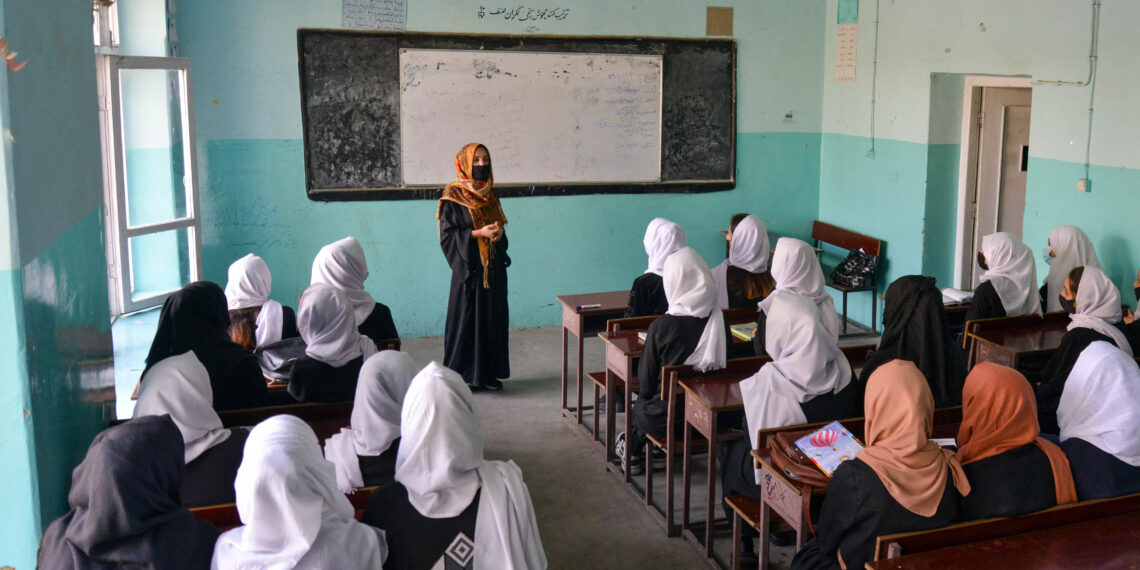
Since August 2021, the Taliban have pursued a deliberate strategy of erasing women from public life — banning them from schools, workplaces, travel, and even family outings. These policies are not simply misguided; they are cruel, calculated attacks on Afghan society itself.
Afghanistan today risks raising a generation that knows nothing of joy, nothing of community, nothing of what it means to feel alive. The Taliban’s war on public life is not just an assault on women — it is an assault on humanity.