
By Hamia Naderi
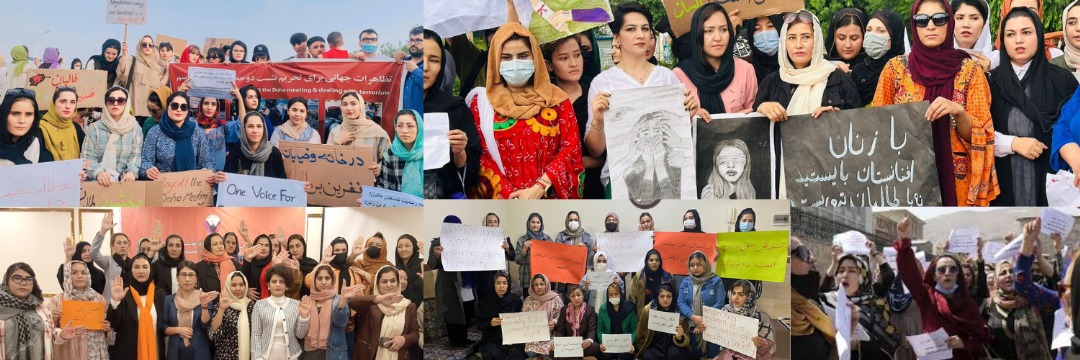
On the eve of the fourth anniversary of Kabul’s fall to the Taliban, Afghan women protesters and human rights defenders have announced a Global March on August 15 — calling on the world to confront the regime’s brutal repression and reject its normalization.
The campaign, coordinated across Afghanistan, neighboring countries, Europe, and the U.S., aims to shine a harsh light on the reality of life under Taliban rule and demand accountability from the international community.
“We have been erased from public life, but we will not disappear,” says Shahla Noori, a women’s rights activist in Kabul.
“Our voices may have been silenced in the streets, but they still echo beyond these borders. The world needs to hear them.”
According to the organizers, the campaign is rooted in outrage at the worsening conditions for Afghan women and the silence — or complicity — of the global community.
Marwa Hamraz, another activist participating from inside Afghanistan, warns of the risks of engagement with the Taliban without conditions.
“Any handshake with the Taliban that ignores our rights is a dagger in the back of Afghan women,” she says.
“We are not asking for charity — we are demanding dignity and justice.”
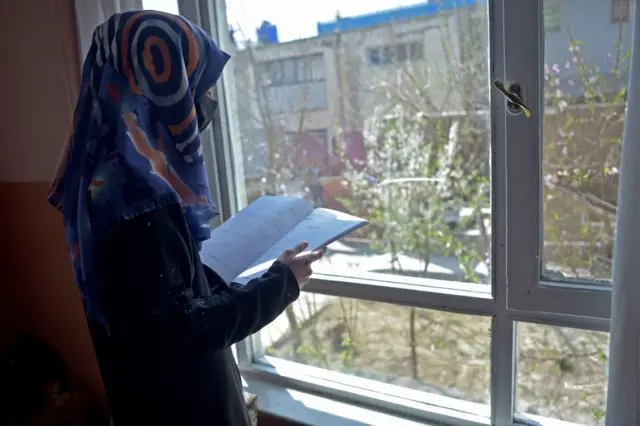
The Taliban’s return to power in August 2021 unleashed a wave of gender apartheid: women and girls have been banned from secondary and higher education, public-sector jobs, traveling alone, and even visiting parks. Meanwhile, public protests have been crushed violently, and those who dared to speak out have faced arrest, torture, and exile.
Yet, activists like Farahnaz Arman refuse to let the world forget.
“We march not just for Afghan women, but for the idea that no government can strip half its population of humanity and be recognized,” she says.
“This is not just our fight. It is a test of the world’s conscience.”
The organizers argue that international diplomacy has, so far, failed to leverage meaningful pressure.
“They speak of engagement and dialogue as if we do not exist,” says Samira Amini, who is mobilizing support from exile.
“We are not collateral damage in someone else’s geopolitical game. We are citizens, and we demand our place in the future of this country.”
The campaign plans synchronized protests in major cities worldwide on August 15 under the slogan:
“Do Not Forget Afghanistan.”
A Systematic Erasure
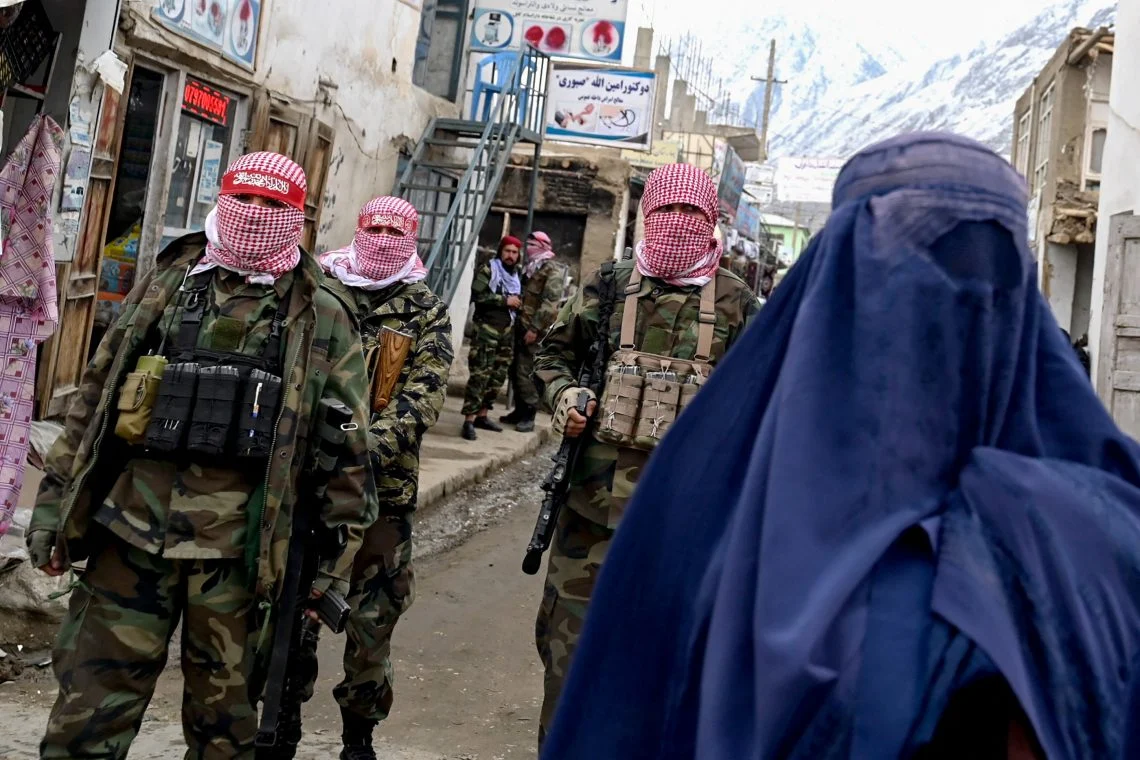
Over the past four years, the Taliban have imposed what UN experts have called gender persecution: banning women from education, employment, politics, and even leisure. Women have been pushed into invisibility — barred from parks, restaurants, gyms, and almost every public space.
UN and NGO reports also document a chilling pattern of abuses: arbitrary arrests, enforced disappearances, torture of protesters, and extrajudicial executions. Dozens of independent media outlets have been shuttered, and journalists who remain face relentless harassment and censorship.
Protests that erupted in the immediate aftermath of the Taliban takeover were met with gunfire, beatings, and imprisonment. Many of the women who led those protests have since been forced into hiding or exile, while others continue their resistance at great personal risk.
Yet the resilience of Afghan women persists.
“They can take away our schools, our jobs, even our streets — but they cannot take away our voice,” says Noori.
“We will keep speaking, whether they listen or not.”
A Call to Action
The campaign’s organizers are calling on the international community to condition any political or economic engagement with the Taliban on verifiable improvements in human rights. They urge citizens around the world to join the marches, amplify Afghan women’s voices, and demand accountability.
“Our pain is not a footnote,” says Hamraz.
“It is the story of a nation held hostage. And the world cannot afford to look away.”
The Global March will take place on August 15, marking four years since the Taliban stormed into Kabul and plunged Afghanistan into one of the most repressive regimes for women in modern history.