
✍️ By: Hamia Naderi
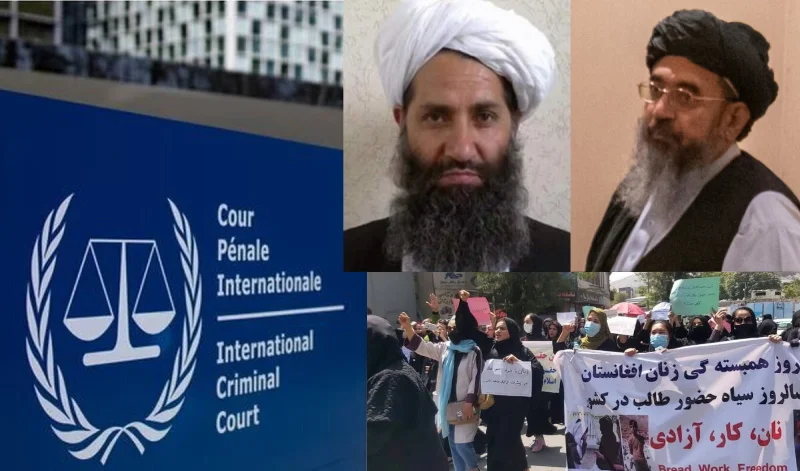
The International Criminal Court (ICC) on Tuesday, July 8, issued arrest warrants for two of the Taliban’s top leaders — Hibatullah Akhundzada, the group’s supreme leader, and Abdul Hakim Haqqani, the Taliban’s chief justice — marking a historic milestone in the fight against impunity in Afghanistan.
The two senior Taliban officials are charged with crimes against humanity, particularly for their role in the systematic persecution of women and girls, as well as the politically motivated targeting of opponents and civil society since the Taliban seized power in August 2021.
Erasing Half the Society: Organized Crimes Against Women
Since their return, the Taliban have transformed Afghanistan into one of the most oppressive places in the world for women. The leadership has enacted a series of decrees that have stripped women and girls of their most basic human rights:
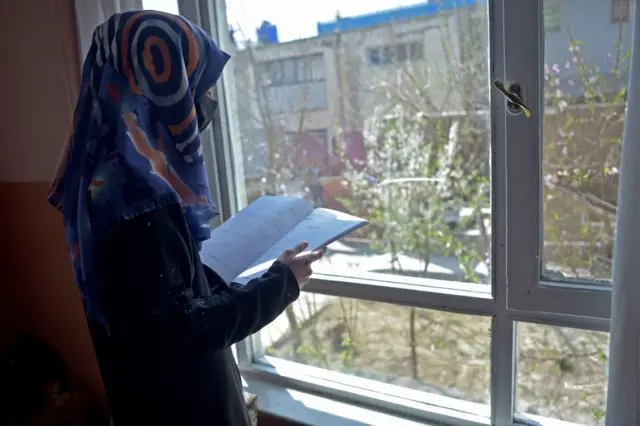
- Banning girls from secondary and higher education, closing the doors of schools and universities.
- Barring women from employment in most government offices, international organizations, and even private businesses.
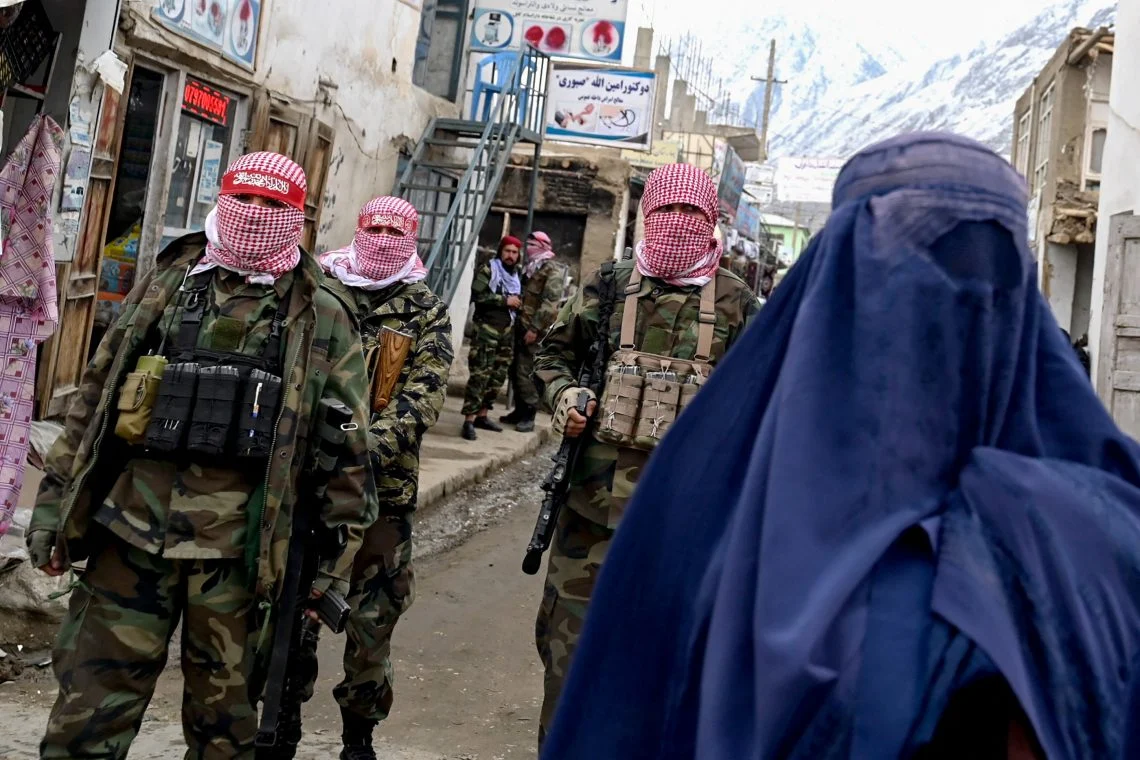
- Severely restricting women’s freedom of movement, prohibiting them from traveling without a male guardian and banning their access to parks, gyms, and public baths.
- Forcing strict dress codes, including the mandatory wearing of the burqa or full-body coverings.
- Arresting, beating, threatening, torturing, and forcibly disappearing protesting women and activists who dared to speak out.
According to ICC prosecutors, these policies amount to gender-based crimes designed to erase women from public life and deprive them of dignity and autonomy.
Silencing Dissent
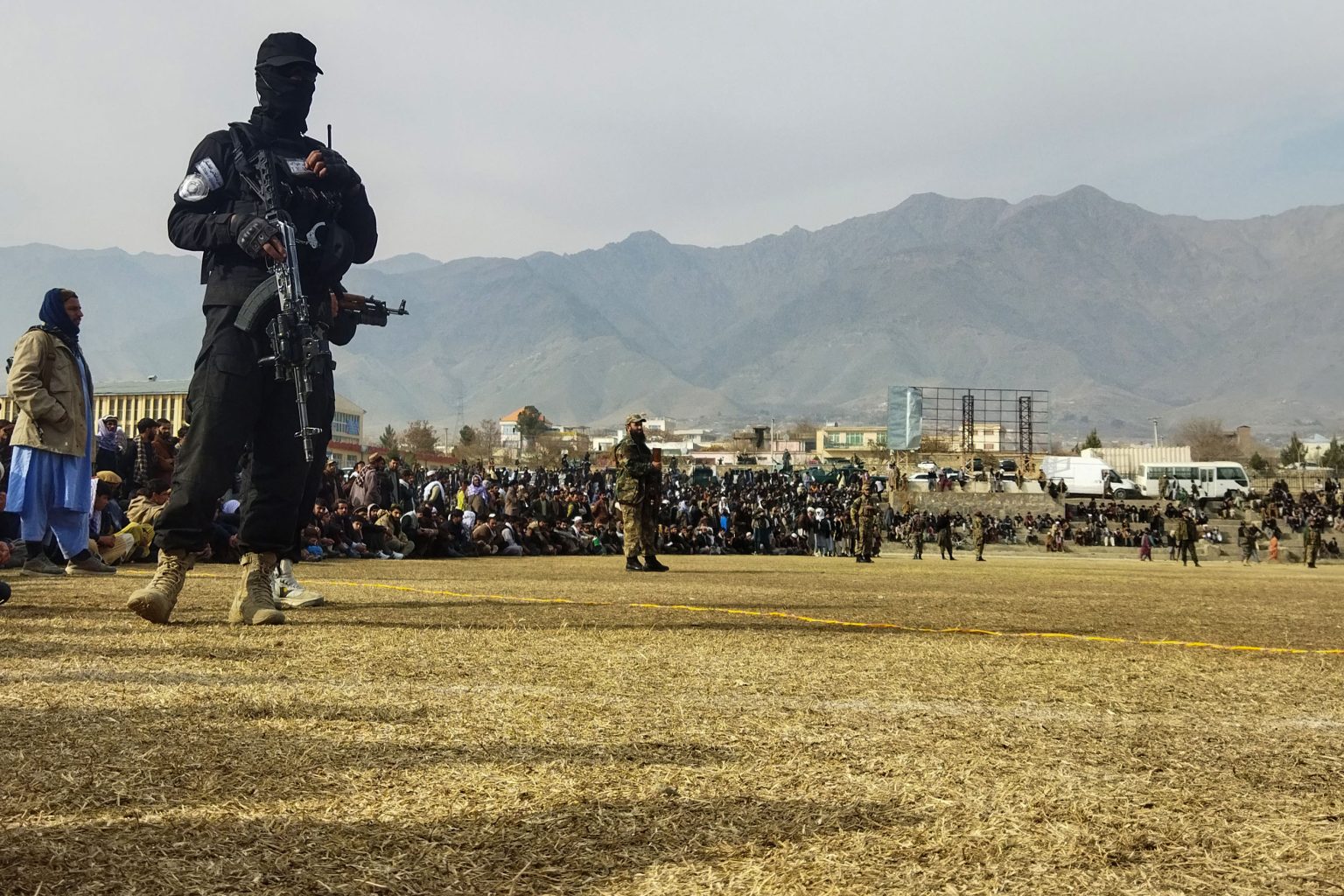
Alongside their assault on women, the Taliban have also targeted journalists, activists, political opponents, and human rights defenders. Arbitrary arrests, torture, threats against families, and assassinations have been used systematically to silence all dissent.
A Landmark Moment in International Justice
Prosecutors noted that the arrest warrants are part of a broader investigation into the Taliban’s policies and actions since 2021, demonstrating that the leadership knowingly and systematically committed acts constituting crimes against humanity.
By issuing these warrants, the ICC sends a powerful message:
“No one is above the law — not even those in power.”
Taliban’s Reaction
As of Tuesday evening, the Taliban authorities had not issued any official response to the ICC’s unprecedented legal move.
Conclusion
The ICC’s historic decision represents a ray of hope for Afghan women, girls, and all victims of the Taliban’s brutality. It is a significant effort to hold accountable those responsible for years of suffering and injustice. This move signals that the international community, though late, cannot remain indifferent to the plight of millions in Afghanistan.