Oslo, Norway — March 7, 2026
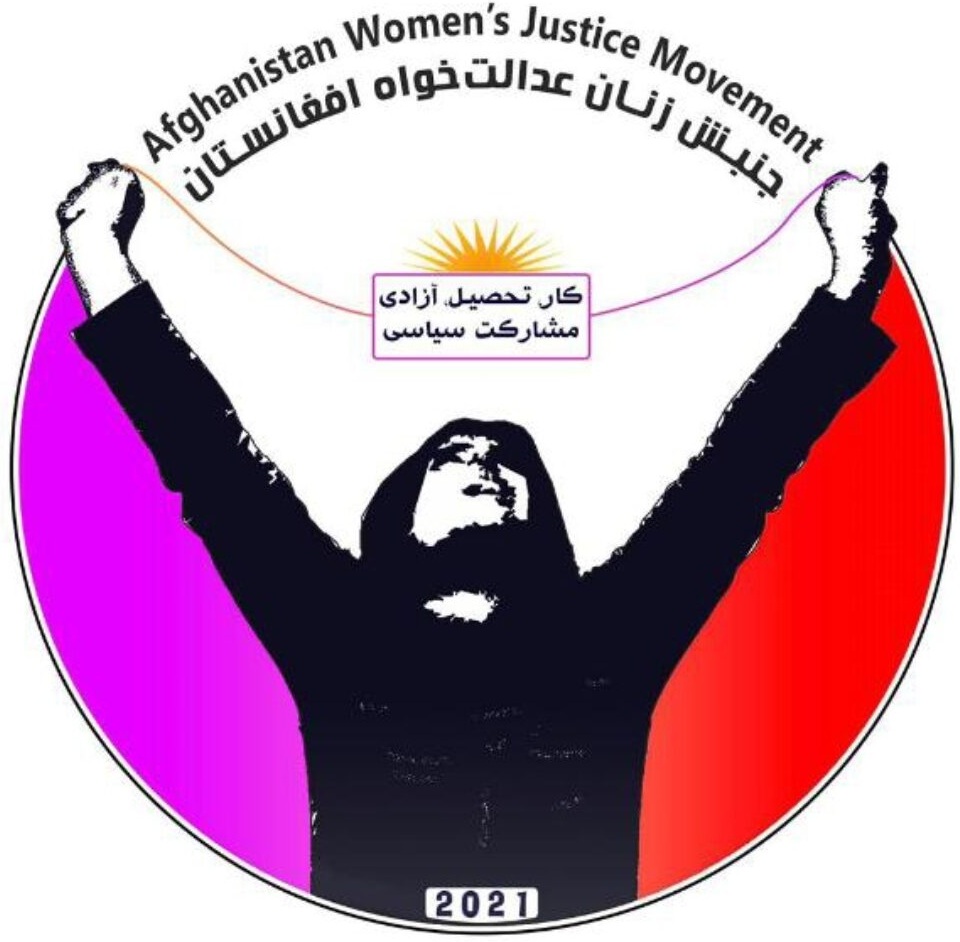
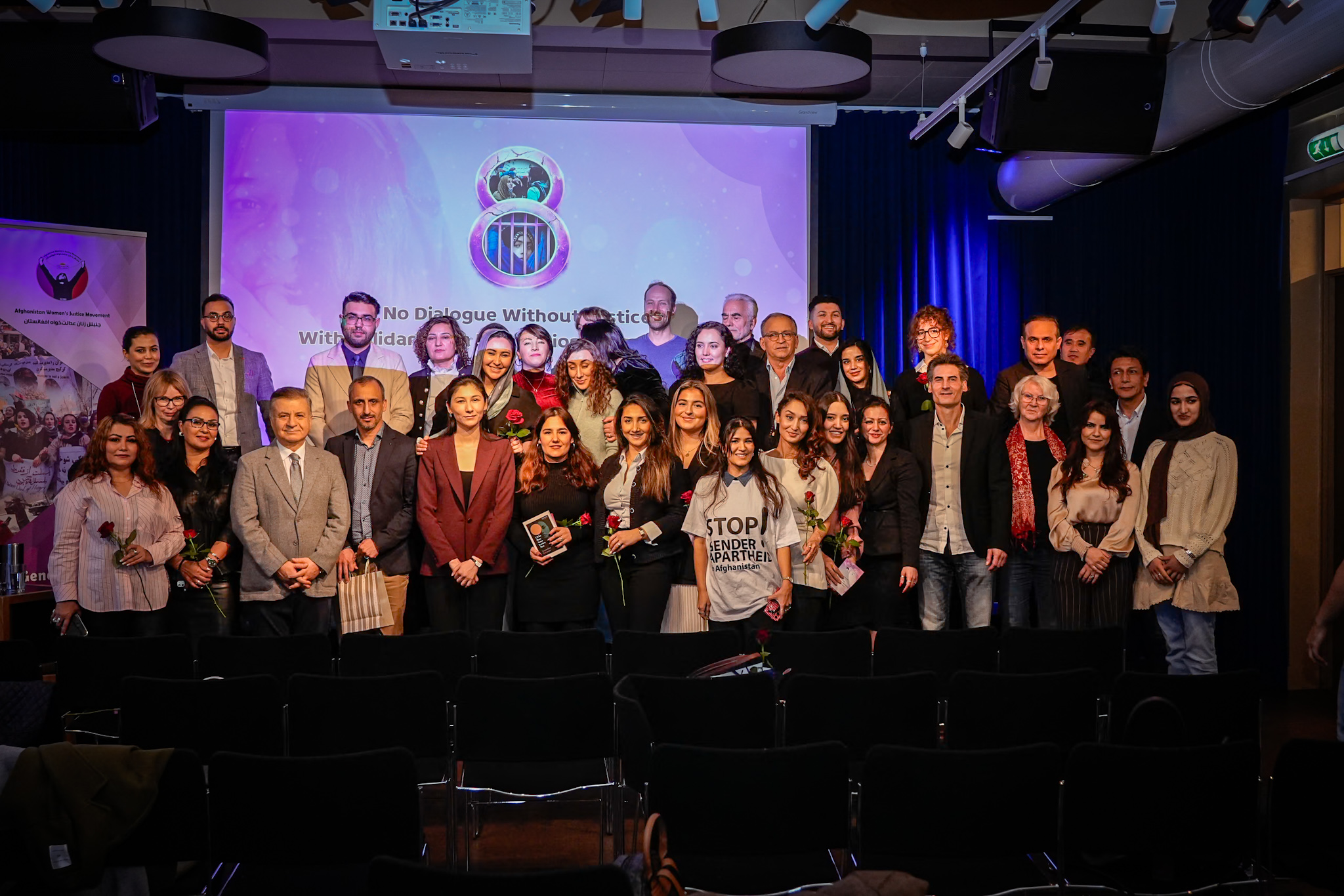
On the occasion of International Women’s Day, a high-profile conference in Oslo convened human rights advocates, researchers, and civil society representatives to address the ongoing crisis confronting women and girls in Afghanistan. The event, titled “International Women’s Day and Afghan Women Deprived of Rights,” was organized by the Women Justice Movement, founded by Hoda Khamosh, in collaboration with the Dialogue Hub for Common Ground led by Nazifa Jalali.
Global Solidarity and Resilience of Afghan Women
Opening remarks by Hoda Khamosh and Nazifa Jalali highlighted the resilience and determination of Afghan women activists both inside Afghanistan and in exile. Despite decades of systematic repression, these women continue to document human rights violations and advocate for fundamental rights, demonstrating extraordinary courage and persistence.
The keynote address, delivered by Bjørn Storøsten Jensen, Special Envoy of the Norwegian Ministry of Foreign Affairs for Afghanistan, underscored the importance of sustained international attention. Jensen stressed that awareness must translate into meaningful action to protect the fundamental rights of Afghan women and girls. Organizers emphasized that the conference sought not only to raise awareness but also to foster actionable dialogue, framing the challenges faced by Afghan women as a form of gender apartheid requiring coordinated global intervention.
From Awareness to Accountability
The first panel, “From Awareness to Accountability: Ending Gender Apartheid,” brought together experts including Richard Bennett, United Nations Special Rapporteur on the situation of human rights in Afghanistan; Fereshta Abbasi, Afghanistan researcher at Human Rights Watch; Dr. Malek Setiz, international law scholar; and Dr. Mohib Modaser, international law researcher.
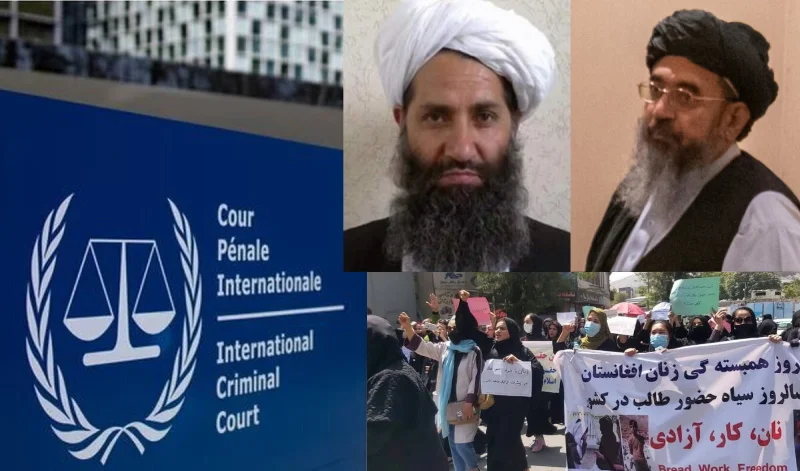
Panelists examined how the international community can move from acknowledging human rights violations to enforcing concrete legal and political accountability. Discussions highlighted the growing debate on recognizing gender apartheid as a category of international crime and explored mechanisms to hold perpetrators accountable. Experts emphasized the urgent need for stronger international legal frameworks and coordinated global action to address systematic discrimination against Afghan women.
Justice and Political Engagement
The second panel, “No Justice, No Dialogue,” explored the intersection of justice, political negotiations, and Afghanistan’s future. Speakers including Mona Khorasani, Zubaida Akbar, and Sarah Gowan stressed that any political engagement that excludes women cannot be considered legitimate or sustainable.
Participants warned that sidelining women from political processes risks legitimizing systemic discrimination and undermining long-term stability. They called on the international community to ensure that protection of Afghan women’s rights remains central to all diplomatic and policy discussions regarding Afghanistan.
Testimonies of Resistance and Survival
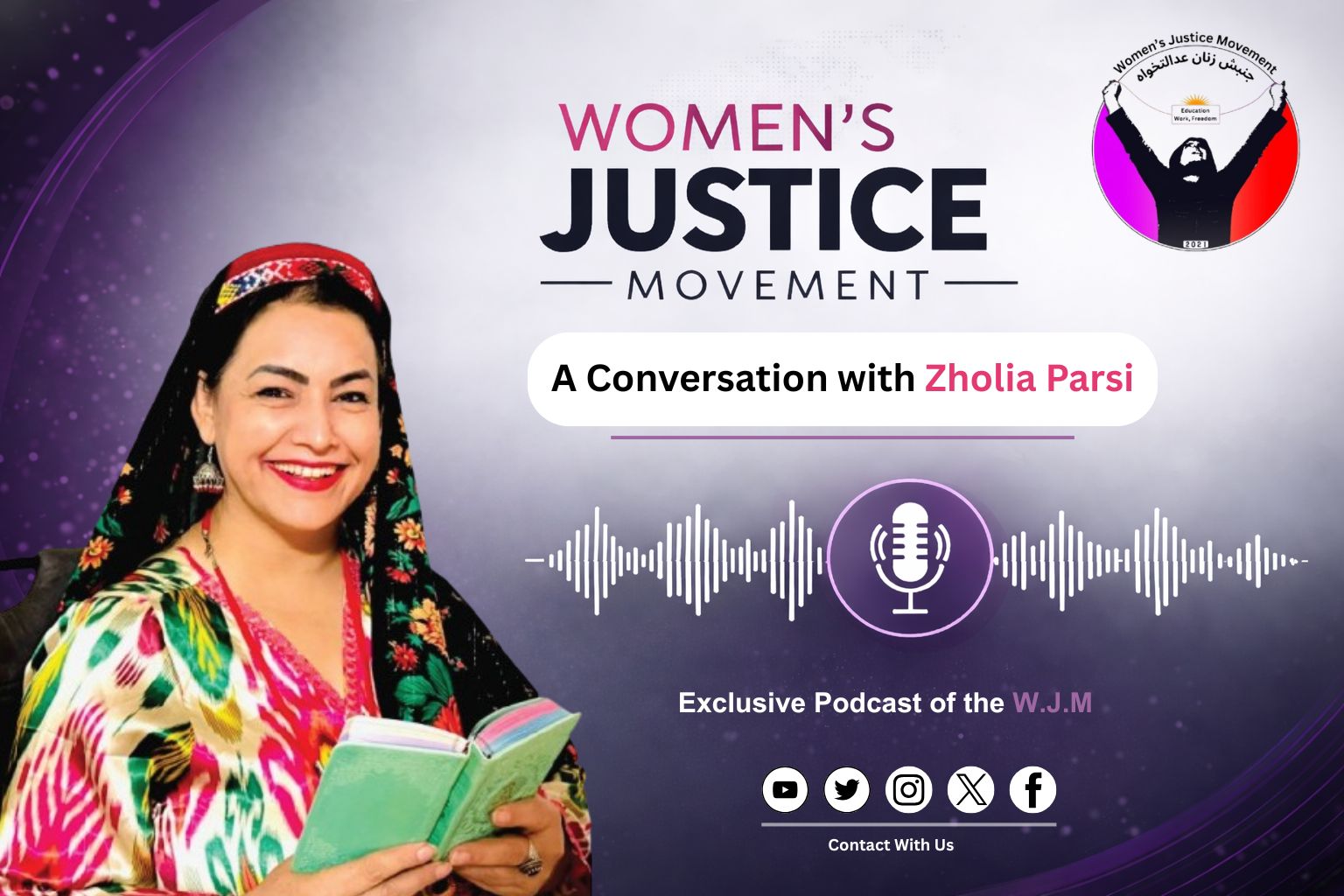
One of the most compelling moments of the conference came during the Testimony Panel, where Afghan women activists shared firsthand accounts of detention, protest, and resistance. Speakers included Zarmina Pariyani, protest leader and former political prisoner; Julia Parsi, human rights activist; and Dr. Haqparast, civil society advocate.
Their testimonies underscored the personal risks faced by women activists and the human cost of the ongoing struggle for rights and dignity. The conference also screened documentaries highlighting Afghan women activists’ work and broader realities of gender discrimination in the country.
Analytical Perspective
The Oslo conference demonstrates that the crisis in Afghanistan is not merely political or security-related—it is fundamentally a human rights emergency with global implications. By centering Afghan women’s rights in international discourse, the event challenged governments, global institutions, and civil society to move beyond symbolic gestures toward concrete accountability measures.
Framing systemic discrimination as gender apartheid signals a strategic approach to mobilize international legal mechanisms and encourage enforcement of existing human rights frameworks. The presence of high-level policymakers, scholars, and civil society leaders indicates that Afghan women’s rights are increasingly recognized as non-negotiable in diplomatic and humanitarian agendas.
Exile and diaspora activism emerged as critical components in sustaining international attention. Afghan women outside the country serve as bridges between local struggles and global advocacy, ensuring that the realities of oppression are documented and amplified despite restrictions within Afghanistan.
In conclusion, the conference sent a clear and urgent message: the struggle for Afghan women’s rights is not solely a national issue—it is a global responsibility. Meaningful international engagement must combine awareness, legal accountability, and sustained diplomatic pressure to protect women and girls and to foster justice and stability in Afghanistan.
Share: