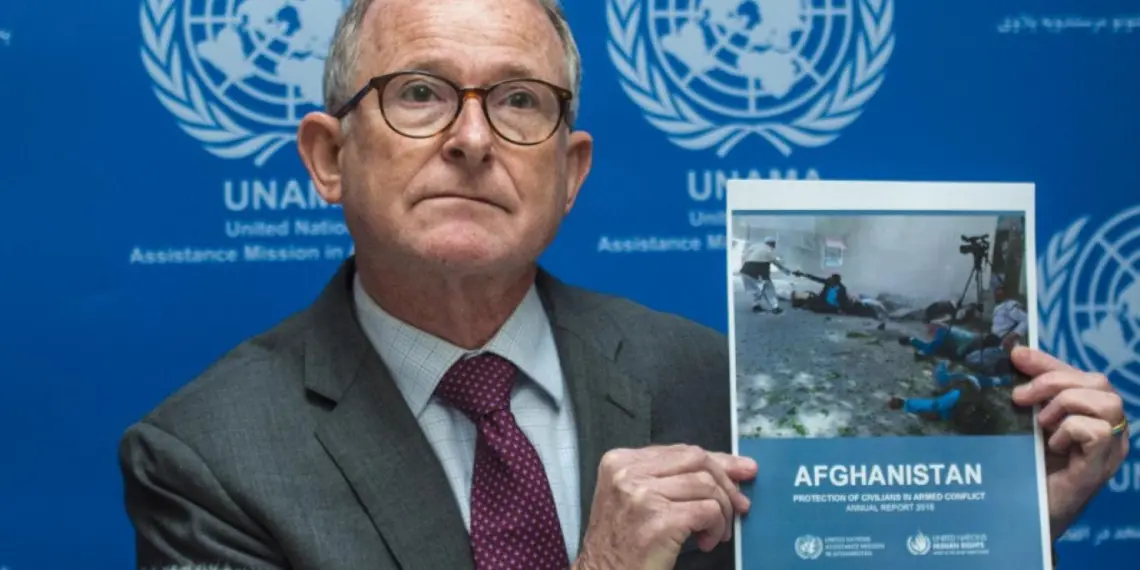

Richard Bennett, the UN Special Rapporteur on the situation of human rights in Afghanistan, issued a stark warning, stating:
"Let us not assume the Taliban will remain in power forever. Afghanistan’s history is marked by constant change. What we need now is a peaceful transition toward respect for human rights."
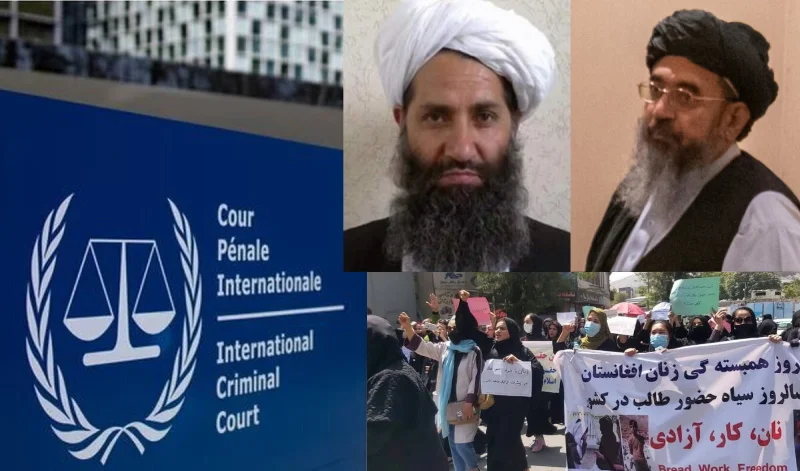
Speaking at a United Nations human rights expert panel, Bennett described the situation in Afghanistan as a "crime against humanity," emphasizing that the ongoing crisis is not merely a domestic issue, but a global challenge that demands an international response.
He urged an end to any efforts aimed at normalizing relations with the Taliban, stressing that no legitimacy should be granted to the group unless there are clear, sustainable, and verifiable improvements in the human rights situation, particularly for women and minorities.
Bennett praised the brave resistance of Afghan women both inside and outside the country, calling it a powerful symbol of hope. He emphasized that women must be meaningfully and fully included in political dialogues about the country’s future, including international platforms such as the Doha meetings.
He also raised concerns about the rise in public executions and the detention of journalists, noting that despite the Taliban's refusal to allow him entry into Afghanistan, his team continues to document human rights violations using alternative methods such as virtual interviews, open-source investigations, and expert consultations.
Bennett expressed serious concern over developments such as Russia’s recognition of the Taliban and the forced return of Afghan refugees by Western countries, calling these trends deeply troubling and in need of urgent attention.
In closing, he reaffirmed his willingness to visit Afghanistan to engage constructively with the Taliban and to show solidarity with the Afghan people—especially those who continue to fight for their rights. He also noted that he is preparing a special report for the UN General Assembly focused on the situation of women, minorities, and civic space in Afghanistan.