By: Maryam (Pseudonym)
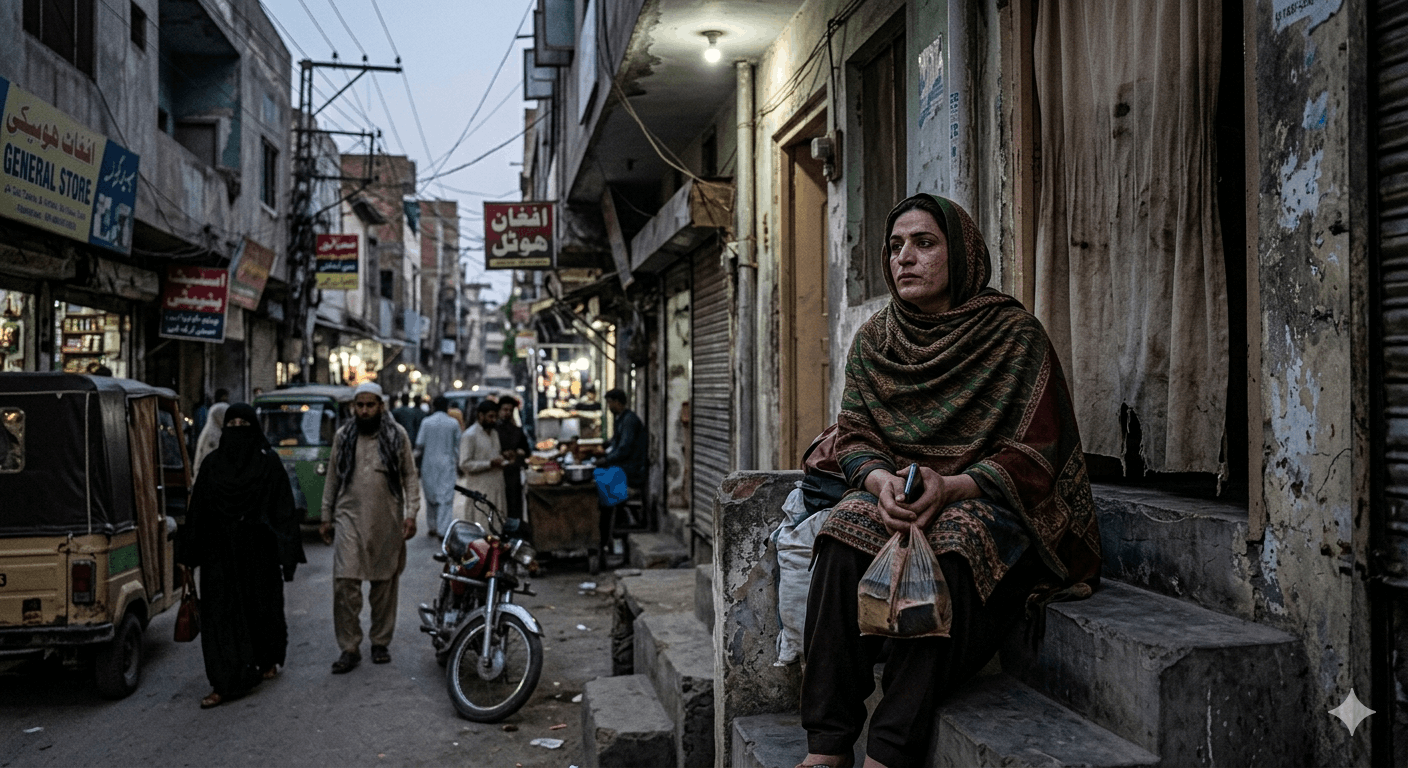
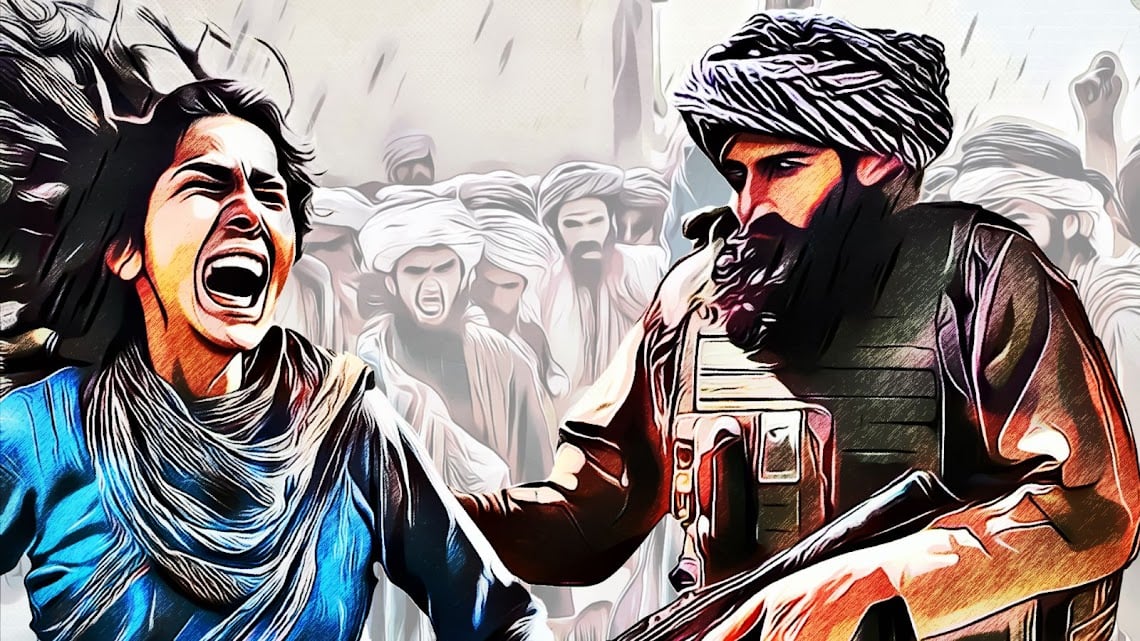
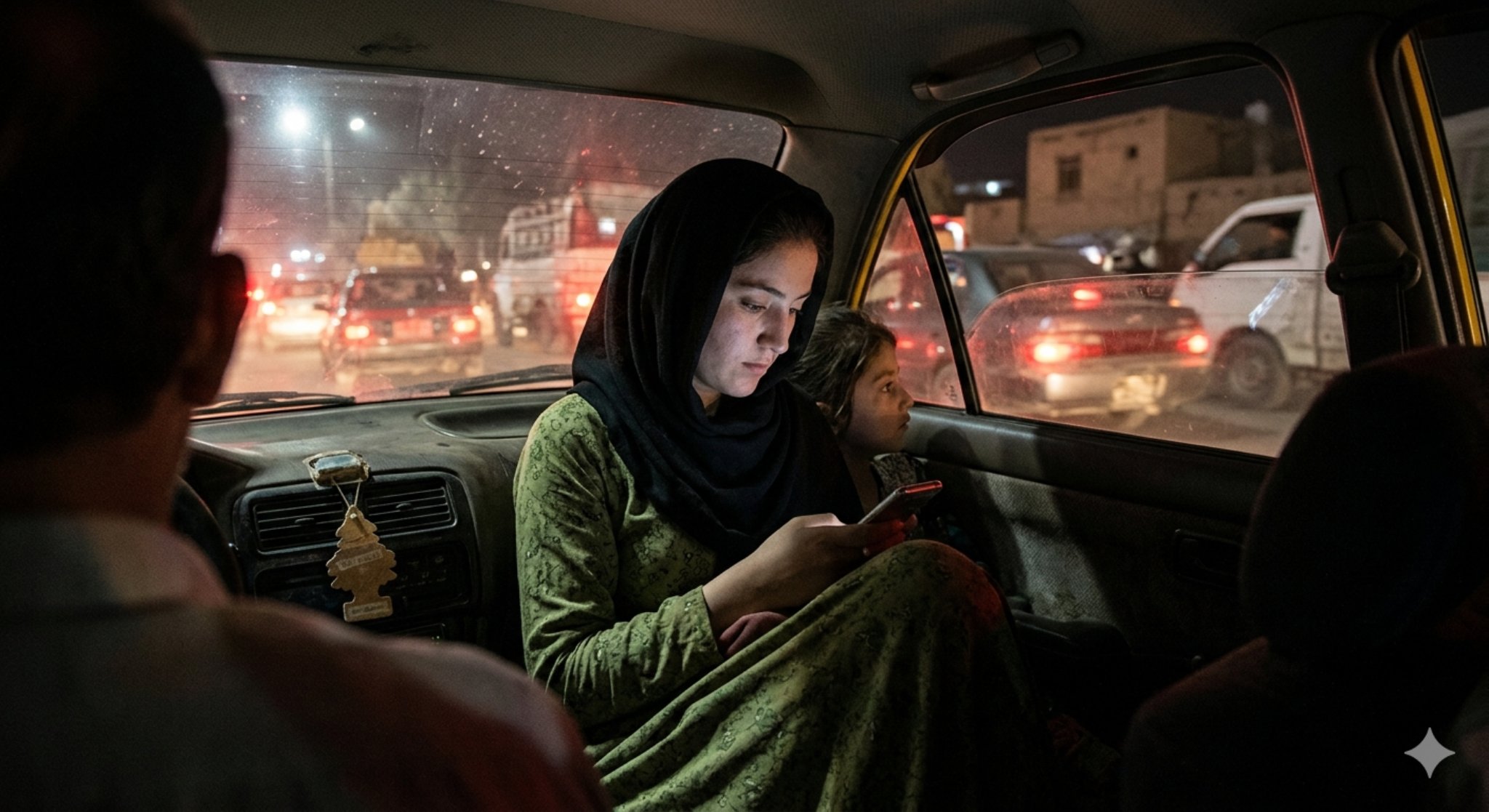
It is 8:15 PM—the hour when the city’s heart begins to beat with a different kind of fear. Our car is paralyzed in the neon-lit gridlock of South Kabul, near the ancient shadows of Chihil Sutun. Brake lights glow like angry red eyes in the smog. Up ahead, under the blinding white glare of a portable floodlight, a "Security Committee" has established a blockade. It is a place where a smile, a piece of clothing, or a digital footprint can trigger a life-altering interrogation.
In the backseat, I have retreated into the folds of my shawl. There are no notebooks on my lap, no physical pens. My entire world is tethered to a small, cracked smartphone connected to a covert international literature workshop based abroad. Tonight is my turn to present my thesis: "The Role of Poetry in Sustaining Resilience." It is a cruel irony; in these dark corridors, studying poetry feels more dangerous than carrying a weapon.
My father, gripping the steering wheel, catches my reflection in the mirror. He senses the shallow rhythm of my breathing. "Hide the device in the seat pocket," he murmurs, his voice barely a breath. "If they catch you listening to an English lecture, they’ll find any excuse to impound the car. Remember how they harassed your brother last week over a simple audio recording?"
My mouth is sandpaper. I hit 'mute.' In the digital classroom, classmates from across the globe type frantic messages: "Maryam, why did your audio cut out?" I cannot answer. This online sanctuary is the only window I have left to the outside world. If I retreat now, I am letting the walls of this city crush my spirit.
Our turn comes. A young guard in camouflage, his eyes sharp and inquisitive, raps his knuckles against the glass. He thrusts his flashlight directly into my face. In that instant, every verse I had memorized for my presentation evaporates. "Where are you coming from at this hour?" he demands, his tone dripping with suspicion. My father explains with practiced caution that we are returning from visiting a sick relative. The guard gestures with the barrel of his rifle toward the dashboard, hesitates for a agonizing few seconds, then lazily waves us through.
The moment we slip from the light of the checkpoint into the safety of a side street, I unmute. My voice is brittle, but the words come with a ferocity I didn't know I possessed. I finish my presentation while my tears blur the glowing screen.
I am haunted by a memory from months ago, in the city center, when they stopped us because of the color of my socks, calling my father "honorless." Now, the streets of Kabul are no longer paths to a destination; they are a battlefield for survival. From tomorrow, I will carry a "decoy" broken phone to hand over if searched, while my real life remains hidden inside a loaf of bread. In a city where "knowing" is the ultimate transgression, every word whispered in the back of a taxi is a victory.
Share: