An In-Depth Discussion on Causes, Consequences, Resistance, and Accountability
While Afghan women face sweeping restrictions, systemic erasure, and outright denial of their social, educational, and political rights, a more sinister threat has escalated. Targeted killings of women have emerged as one of the most alarming and horrific dimensions of the ongoing human rights crisis in Afghanistan.
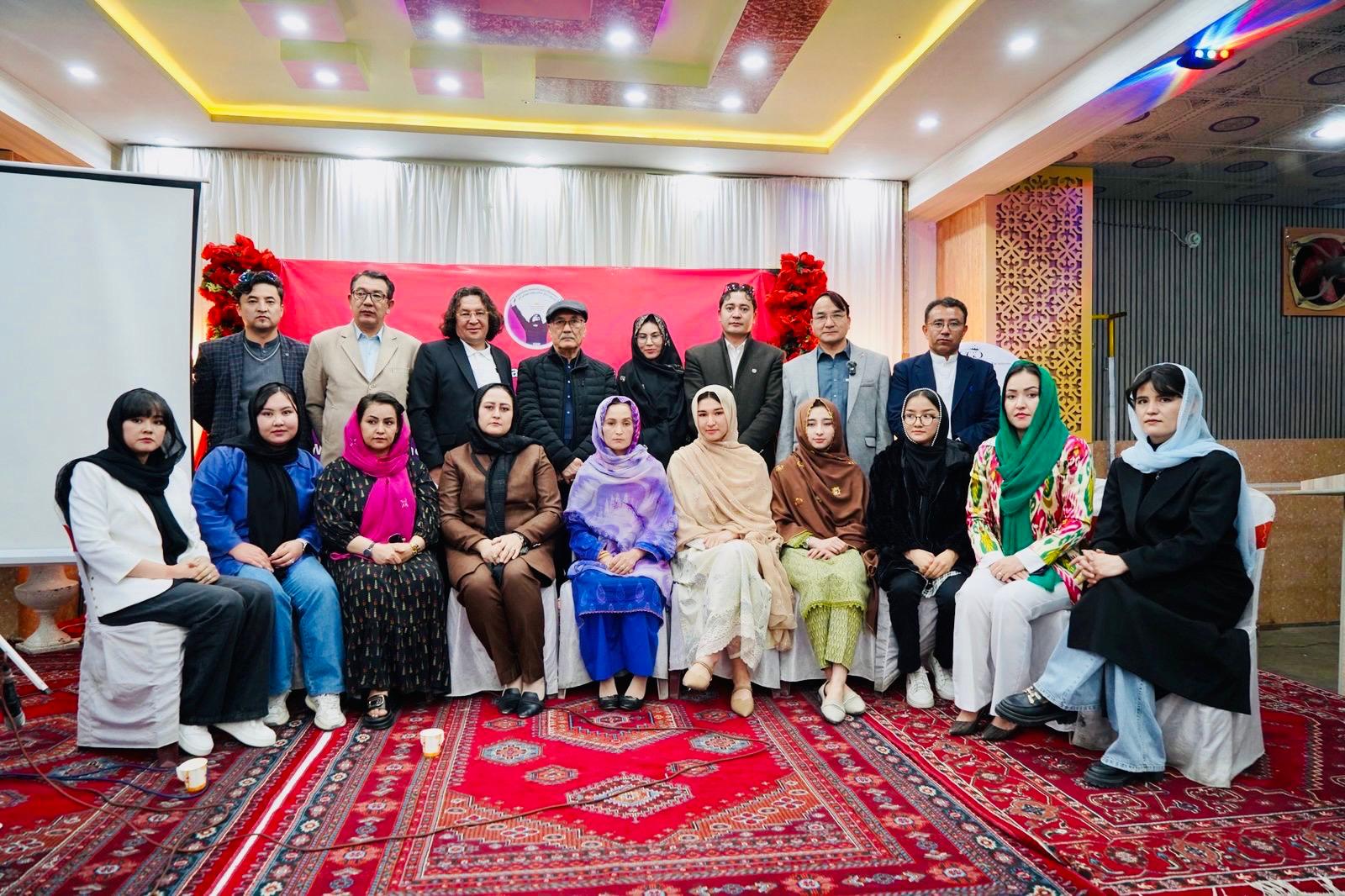
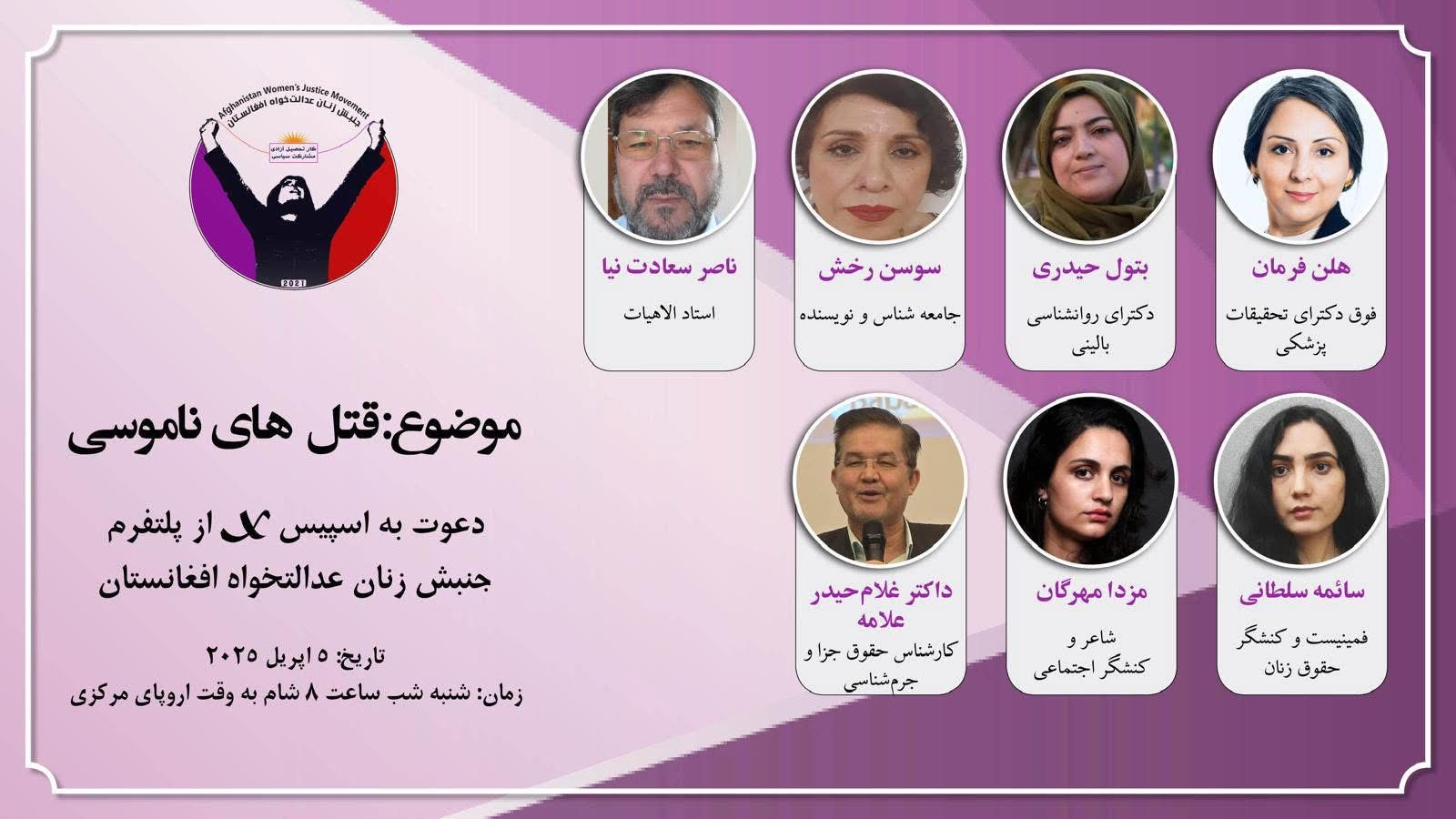
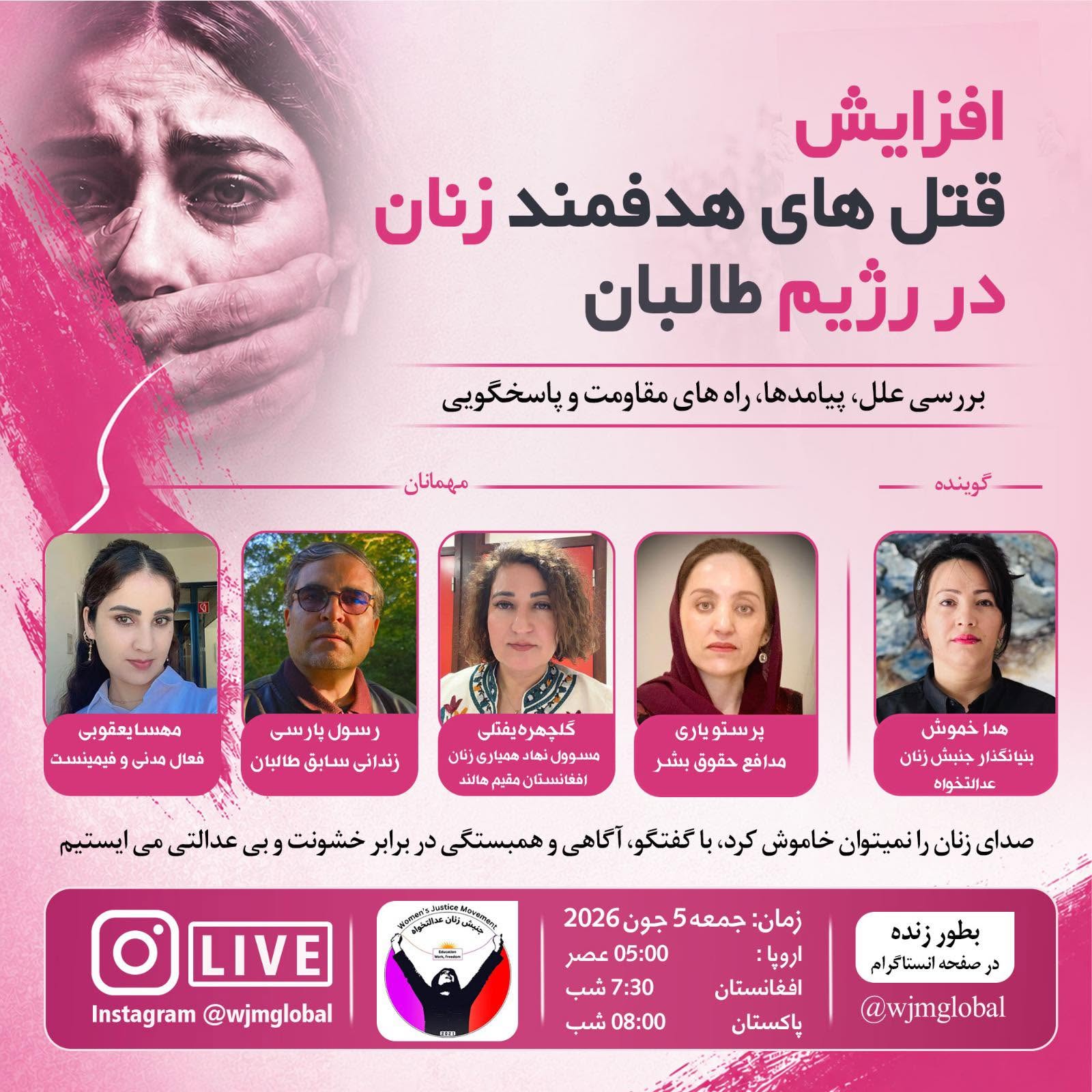
To confront this critical issue, the Women’s Movement for Justice (WJM) hosted a vital live panel discussion bringing together prominent human rights defenders, civil society activists, and experts. The panel meticulously analyzed the root causes and devastating impacts of this violence, while mapping out strategic paths for international advocacy, grassroots resistance, and global accountability.
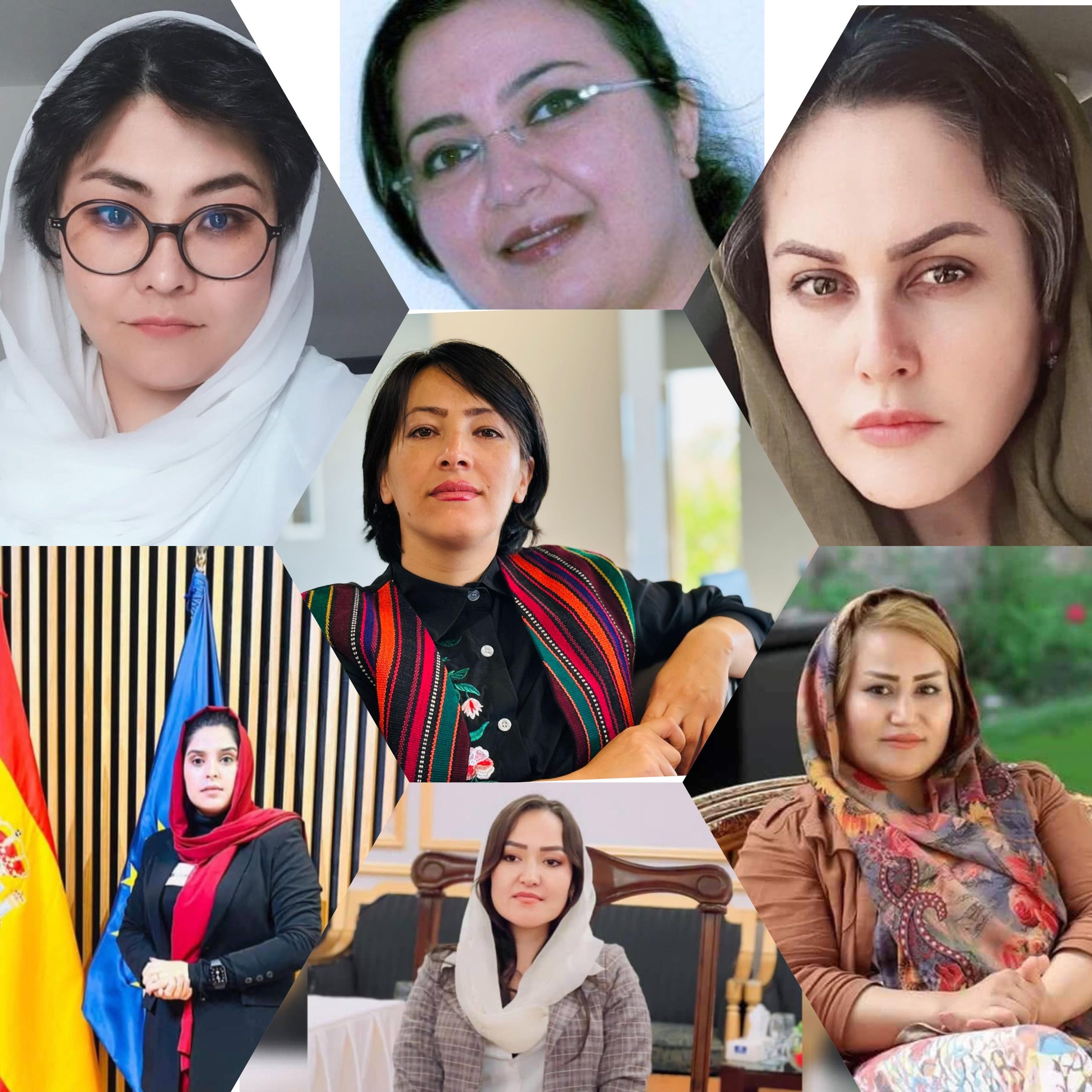
👥 Panel Speakers & Host
The discussion featured a powerful lineup of voices dedicated to the Afghan freedom struggle:
* Parasto Yari – Human Rights Defender
* Rasool Parsi – Civil Activist
* Golchahrah Yaftali – Head of the Women’s Cooperation Organization
* Mahsa Yaqoobi – Civil Activist & Feminist
Moderated by:
* Hoda Khamosh – Founder of the Women’s Movement for Justice
🔍 Key Themes Discussed
The panelists dove deep into a multi-layered crisis, providing crucial insights into the current reality on the ground:
1. Root Causes: Institutionalized Misogyny
The panel highlighted that the rise in targeted killings is not accidental; it is a direct consequence of the Taliban's institutionalized erasure of women. The complete dismantling of legal protections for women, the abolition of specialized elimination of violence against women (EVAW) courts, and an overarching culture of total impunity have effectively greenlit violence against female activists, former government workers, and everyday citizens.
2. The Psychology of Erasure & Consequences
Beyond the tragic loss of life, targeted killings serve as a psychological terror tactic designed to silence the remaining resistance. The speakers discussed how the regime uses fear to force women into absolute isolation, paralyzing civil society and fracturing the solidarity networks that women have bravely built over the years.
3. Strategies for Resistance and Advocacy
Despite the brutal crackdown, the spirit of resistance remains unbroken. The guests mapped out concrete ways to keep the fight alive, focusing on:
* Strengthening underground and digital networks within Afghanistan.
* Documenting and archiving human rights violations securely to prepare for future legal trials.
* Amplifying the voices of internal activists through international platforms.
4. Demanding Global Accountability
The panel closed with a sharp critique of the international community's passive stance. Activists demanded that global leaders look past political rhetoric and take decisive legal action—such as utilizing the International Criminal Court (ICC) and formally recognizing **Gender Apartheid** in Afghanistan under international law to hold the Taliban accountable.
About Us
The Women’s Movement for Justice stands unyielding against violence and systemic oppression. Through raising awareness, fostering global solidarity, and relentless advocacy, we continue to fight for a future where every Afghan woman reclaims her fundamental rights, safety, and dignity.
Join our movement. Amplify our voice.
Share: